
Refrigerated (Reefer) Freight
Overview
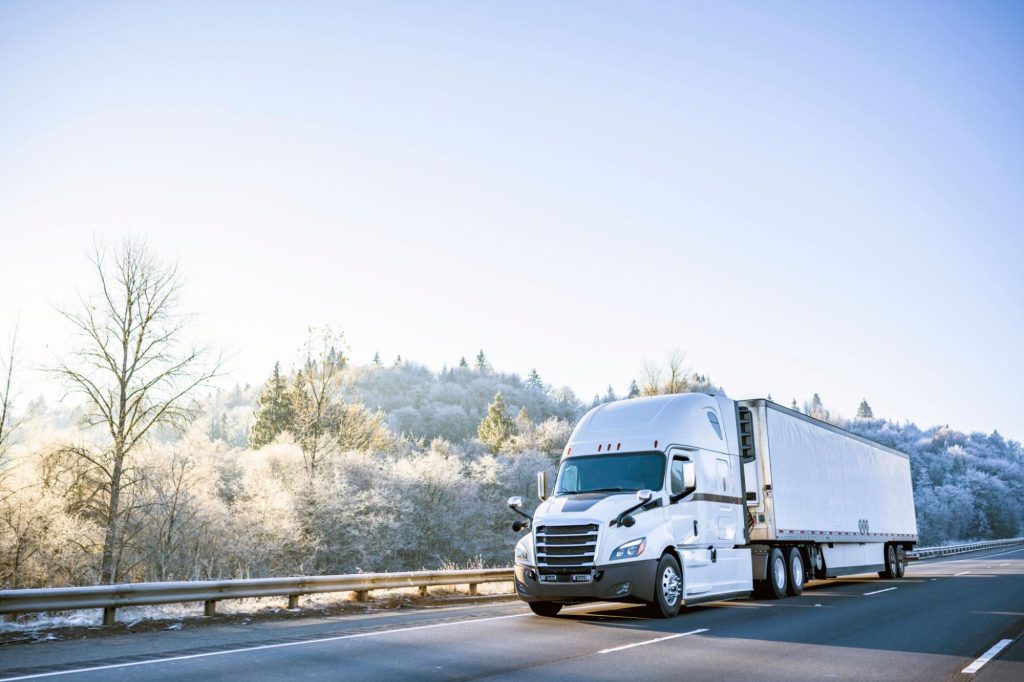
Refrigerated (reefer) freight involves transporting temperature-sensitive goods that must be kept within a controlled environment during transit. This type of freight is essential for industries such as food distribution, pharmaceuticals, and other perishable products.
Reefer freight requires specialized trailers equipped with refrigeration units to maintain consistent temperatures throughout the haul.
Key Characteristics
Reefer freight is defined by its temperature control and specialized handling requirements.
• Transported in temperature-controlled trailers
• Requires continuous monitoring of cargo temperature
• Handles perishable and sensitive goods
• Often involves strict delivery schedules
• Requires additional equipment and operational awareness
Common Configurations
Reefer operations rely on specialized trailer setups.
• 53-foot refrigerated trailers (most common)
• 48-foot reefer trailers for regional operations
• Trailer-mounted refrigeration units
• Multi-temperature zone configurations (in some cases)
Common Freight Types
Reefer trailers carry goods that require temperature control.
• Fresh and frozen food products
• Produce and agricultural goods
• Dairy and meat products
• Pharmaceuticals
• Temperature-sensitive chemicals
Advantages
Reefer freight offers higher earning potential and consistent demand.
• Higher pay compared to dry van
• Year-round demand due to food supply chains
• Less competition than standard freight
• Essential industry role
• Opportunities for specialized lanes
Limitations
Reefer freight requires more responsibility and equipment management.
• Higher equipment costs
• Requires monitoring of refrigeration unit
• Increased fuel consumption
• Potential for cargo loss if temperature fails
• More complex operations
Types of Refrigerated Freight
Refrigerated freight can be divided into several core operational models based on distance, routing, and delivery requirements:
Driver and Operator Considerations
Drivers must actively monitor trailer temperature settings and ensure proper operation of the refrigeration unit. Attention to detail is critical, as cargo quality depends on maintaining correct conditions throughout the trip.
Equipment Requirements
Reefer freight requires specialized equipment beyond standard setups.
• Refrigerated (reefer) trailer
• Refrigeration unit (Thermo King, Carrier, etc.)
• Temperature monitoring systems
• Standard tractor (day cab or sleeper)
Typical Operations
Reefer freight operates within time-sensitive supply chains.
• Grocery distribution centers
• Food processing facilities
• Cold storage warehouses
• Regional and long-haul routes
• Scheduled and high-priority deliveries
Earning Potential and Market
Reefer freight is a higher-value segment of the trucking industry.
• Higher average rates than dry van
• Consistent demand across all seasons
• Strong market driven by food supply
• Opportunities for dedicated contracts
Related Truck Types
• Sleeper Trucks
• Day Cab Trucks
• Dump Trucks
• Box Trucks
• Vocational Trucks
• Heavy Haul Trucks
Related Freight Types
• Dry Van Freight
• Flatbed Freight
• Heavy Haul / Oversized Freight
• Bulk & Pneumatic Freight
• Liquid & Tanker Freight
• Automotive Transport Freight
• Construction & Aggregate Freight
• Intermodal & Container Freight
• Logging & Forestry Freight
• Specialty & Niche Freight
Related Trailer Types
- Specialty Trailers
- Dry Van Trailers
- Refrigerated (Reefer) Trailers
- Flatbed Trailers
- Step Deck (Drop Deck) Trailers
- Lowboy / RGN Trailers
- Tanker Trailers
- Hopper / Bulk Trailers
- Dump Trailers
- Car Hauler Trailers
- Conestoga Trailers
- Chassis Trailers
- Log Trailers
Related Equipment
- Engines
- Transmissions
- Electrical Systems
- Telematics & ELD Systems
- Refrigeration Units
- Safety Systems
How to Use This Section
This page provides a clear overview of reefer freight and how it operates within the trucking industry. It helps users understand whether this type of freight fits their experience level, equipment, and goals.
What You’ll Find on Reefer Pages
Future pages will expand into deeper details of refrigerated operations.
• Temperature control best practices
• Reefer vs dry van comparisons
• Equipment management strategies
• Rate trends and seasonal demand
Reefer Freight Expansion
This section will expand with more detailed pages focused on refrigerated operations.
Planned pages include:
• Reefer Load Types
• Reefer vs Dry Van Comparison
• Reefer Unit Operation Guide
• Temperature Management Best Practices
Trucking Equipment Guides
Looking to learn more about commercial trucking equipment? Visit our Trucking Equipment Guides section for educational resources covering truck types, trailer configurations, diesel engines, equipment systems, freight operations, maintenance considerations, and equipment buying advice.
Explore Our Trucking Equipment Guides
Stay Connected
As more freight-specific content is added, this section will continue to grow into a complete resource for understanding refrigerated operations.