
Intermodal & Container Freight
Overview
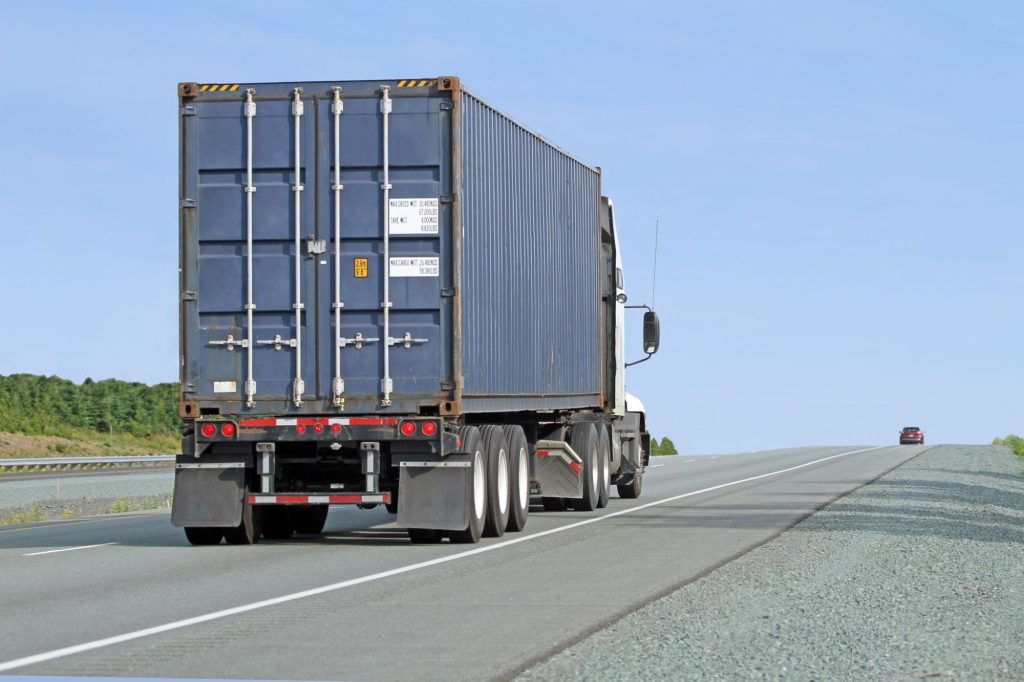
Intermodal and container freight involves transporting standardized shipping containers between ports, rail yards, and distribution centers using chassis trailers. This type of freight plays a critical role in global supply chains by connecting ocean, rail, and truck transportation.
Intermodal freight allows goods to move efficiently across long distances while minimizing handling by keeping cargo inside the same container throughout the journey.
Key Characteristics
Intermodal freight is defined by containerized transport and multi-mode logistics.
• Uses standardized shipping containers
• Moves between ship, rail, and truck
• Loaded onto chassis trailers for road transport
• Minimal cargo handling between modes
• Integrated global logistics system
Common Configurations
Intermodal operations rely on specific trailer and container setups.
• Chassis trailers (20 ft, 40 ft, 53 ft containers)
• Standard shipping containers
• Rail intermodal systems
• Port-based container handling
• Drop and hook container operations
Common Freight Types
Intermodal containers carry a wide variety of goods.
• Consumer goods
• Electronics
• Retail inventory
• Imported and exported products
• Industrial materials
Advantages
Intermodal freight offers efficiency and global reach.
• Cost-effective long-distance transport
• Reduced handling of cargo
• Strong connection to global trade
• High-volume freight movement
• Efficient multi-mode transport system
Limitations
Intermodal freight has operational constraints.
• Dependent on rail and port schedules
• Limited flexibility compared to over-the-road freight
• Potential delays at ports or rail yards
• Requires coordination across multiple systems
• Equipment availability can vary
Driver and Operator Considerations
Drivers must be familiar with port and rail yard operations, including container handling procedures, appointment systems, and wait times. Efficiency and patience are key in this segment.
Equipment Requirements
Intermodal freight requires specialized container handling equipment.
• Chassis trailer
• Container locking systems (twist locks)
• Standard tractor (day cab or sleeper)
Typical Operations
Intermodal freight operates within large logistics networks.
• Port to warehouse transport
• Rail yard to distribution center
• Import/export logistics routes
• Regional container delivery
• Short-haul and drayage operations
Earning Potential and Market
Intermodal freight is a high-volume segment tied to global trade.
• Consistent demand tied to imports and exports
• Competitive rates with steady volume
• Strong presence in port cities and rail hubs
• Opportunities for dedicated drayage work
Related Truck Types
• Sleeper Trucks
• Day Cab Trucks
• Dump Trucks
• Box Trucks
• Vocational Trucks
• Heavy Haul Trucks
Related Freight Types
• Dry Van Freight
• Refrigerated (Reefer) Freight
• Flatbed Freight
• Heavy Haul / Oversized Freight
• Bulk & Pneumatic Freight
• Liquid & Tanker Freight
• Automotive Transport Freight
• Construction & Aggregate Freight
• Logging & Forestry Freight
• Specialty & Niche Freight
Related Trailer Types
- Specialty Trailers
- Dry Van Trailers
- Refrigerated (Reefer) Trailers
- Flatbed Trailers
- Step Deck (Drop Deck) Trailers
- Lowboy / RGN Trailers
- Tanker Trailers
- Hopper / Bulk Trailers
- Dump Trailers
- Car Hauler Trailers
- Conestoga Trailers
- Chassis Trailers
- Log Trailers
Related Equipment
• Engines
• Transmissions
• Axles & Differentials
• Brake Systems
• Electrical Systems
How to Use This Section
This page provides a clear overview of intermodal freight and how it operates within the trucking industry. It helps users understand how container-based transport fits into broader logistics systems.
What You’ll Find on Intermodal Pages
Future pages will expand into deeper details of intermodal operations.
• Port operations guide
• Rail yard procedures
• Container sizes and types
• Drayage operations
Intermodal Freight Expansion
This section will expand with more detailed pages focused on container logistics.
Planned pages include:
• Intermodal Drayage Guide
• Container Types and Sizes
• Port Operations Explained
• Rail Intermodal Systems
Trucking Equipment Guides
Looking to learn more about commercial trucking equipment? Visit our Trucking Equipment Guides section for educational resources covering truck types, trailer configurations, diesel engines, equipment systems, freight operations, maintenance considerations, and equipment buying advice.
Explore Our Trucking Equipment Guides
Stay Connected
As more freight-specific content is added, this section will continue to grow into a complete resource for understanding intermodal logistics.