
Chassis Trailers
Quick Facts
- Common Type: Intermodal Container Trailer
- Typical Length: 20 ft – 53 ft (depending on container size)
- Cargo Type: Shipping Containers (ISO Containers)
- Primary Use: Port, Rail, and Intermodal Transport
- Container Sizes: 20 ft, 40 ft, 45 ft, 48 ft, 53 ft
- Locking System: Twist Locks
Overview
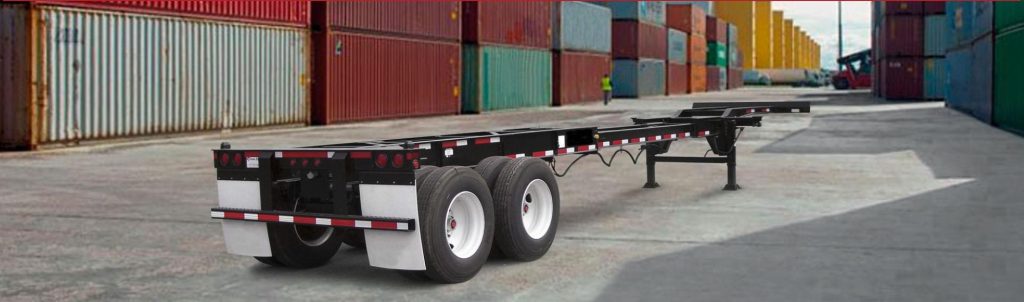
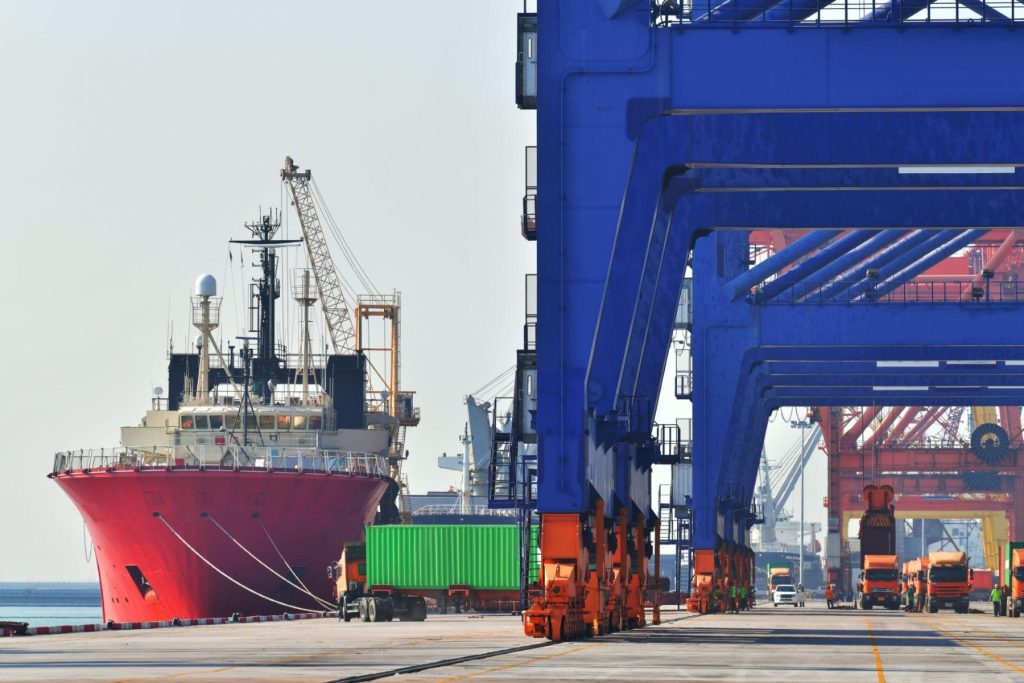
Chassis trailers are specialized trailers designed to transport intermodal shipping containers. They are commonly used in port, rail, and intermodal operations where containers are transferred between ships, trains, and trucks.
These trailers provide a standardized platform with locking mechanisms that secure containers during transport.
Key Characteristics
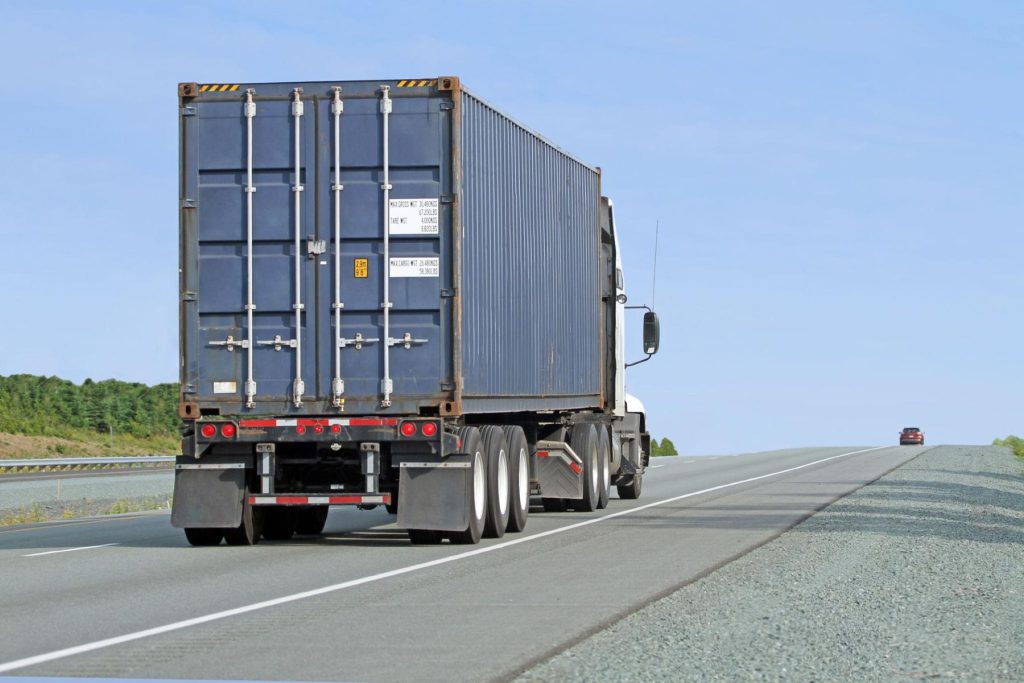
Chassis trailers are built with a skeletal frame designed to support container loads while minimizing weight. They use twist lock systems to secure containers in place and are engineered for compatibility with standard ISO container sizes used in global shipping.
Common Specifications
Length Options
Chassis trailers are available in multiple lengths to accommodate containers ranging from 20 feet to 53 feet.
Frame Design
Skeletal frame construction reduces weight while maintaining structural integrity for container transport.
Locking Mechanism
Twist locks are used to secure containers to the chassis.
Axle Configurations
Typically tandem axle, though tri-axle configurations are used for heavier loads.
Container Compatibility
Designed to handle standard ISO containers used in global logistics.
Types of Chassis Trailers
- 20 ft container chassis
- 40 ft container chassis
- Extendable chassis trailers
- Combo chassis (multiple container sizes)
- Gooseneck chassis designs
Common Uses
Chassis trailers are used for transporting shipping containers across ports, rail yards, and distribution networks.
• Port container transport
• Rail intermodal transport
• Warehouse and distribution delivery
• Import and export logistics
• Short-haul container movement
Advantages
Chassis trailers provide an efficient and standardized solution for container transport.
• Designed specifically for container hauling
• Lightweight skeletal design
• Compatible with global shipping standards
• Efficient transfer between transport modes
• Widely used in logistics networks
Limitations or Drawbacks
Chassis trailers are limited to container transport and require compatible infrastructure.
• Limited to containerized freight
• Requires container handling equipment
• Dependent on intermodal infrastructure
• Not suitable for general freight
Driver and Operator Considerations
Drivers must understand how to properly secure containers using twist locks and ensure load stability. Awareness of container weight distribution is important for safe operation.
Maintenance and Ownership Notes
Maintenance includes inspection of twist locks, frame integrity, suspension, and braking systems. Regular checks are critical due to high usage in intermodal environments.
Buying Considerations
Buyers should consider container compatibility, frame durability, axle configuration, and operational environment. Selecting the right chassis type is essential for efficient intermodal transport.
Common Brands or Manufacturers
- CIMC Intermodal Equipment
- Cheetah Chassis
- Hyundai Translead
- Stoughton Trailers
Variants and Related Configurations
Chassis trailers can be configured to support different container sizes and transport needs.
• Fixed-length chassis
• Extendable chassis
• Multi-container chassis
• Gooseneck chassis configurations
Comparison to Similar Trailers
Chassis trailers differ from flatbeds by being designed specifically for container transport using twist lock systems. Unlike dry vans, they do not enclose cargo but instead carry standardized containers.
Best Fit For
Chassis trailers are best suited for intermodal container transport operations.
• Port and terminal transport
• Rail intermodal operations
• Import and export logistics
• Container distribution networks
• Short-haul freight movement
Regulatory and Compliance Notes
Chassis trailers must comply with weight regulations and container securement standards. Operators must ensure twist locks are properly engaged before transport.
Real World Operating Notes
In real-world operations, chassis trailers are essential for moving containers between ships, trains, and warehouses. Efficiency depends on proper coordination across intermodal systems.
Chassis Trailer Models on Truck Equipment Atlas
Truck Equipment Atlas includes a growing collection of chassis trailer profiles covering equipment designed to transport intermodal shipping containers between ports, rail terminals, distribution centers, warehouses, and other freight facilities.
Explore the chassis trailer models currently available on Truck Equipment Atlas:
Additional chassis manufacturers, models, and intermodal equipment will be added as the Truck Equipment Atlas trailer library continues to expand.
Freight & Industry Sectors
• Intermodal & Container Freight
• Specialty & Niche Freight
Related Truck Types
• Day Cab Trucks
• Sleeper Trucks
• Vocational Trucks
Related Equipment
• Axles & Differentials
• Suspension Systems
• Brake Systems
• Tires & Wheels
• Electrical Systems
Related Trailer Types
- Dump Trailers
- Dry Van Trailers
- Refrigerated Trailers
- Flatbed Trailers
- Step Deck (Drop Deck) Trailers
- Lowboy / RGN Trailers
- Tanker Trailers
- Hopper / Bulk Trailers
- Car Hauler Trailers
- Conestoga Trailers
- Specialty Trailers
- Log Trailers
Related Guides
- Intermodal & Container Freight
- Choosing the Right Trailer for Your Freight
- Complete Guide to Trailer Types
Frequently Asked Questions
What is a chassis trailer used for?
A chassis trailer is used to transport shipping containers.
What are twist locks?
Twist locks are mechanisms used to secure containers to the trailer.
Can chassis trailers carry regular freight?
No, they are designed specifically for containerized cargo.
Availability and Where to Find
Chassis trailers are available through intermodal equipment manufacturers and leasing providers.
Support Trucking Families
Truck Equipment Atlas supports the mission of Grey Cross, a nonprofit dedicated to helping families of truck drivers who lose their lives while on the road. As the site grows, part of its mission is to bring awareness and support to these families.
Podcast or Video Section
Learn More Through Audio and Video
Truck Equipment Atlas will continue expanding with podcast episodes, interviews, and equipment breakdowns to help drivers and fleets better understand trucks and equipment.
Follow the Growth of Truck Equipment Atlas
Truck Equipment Atlas continues to expand with new truck profiles, trailer coverage, diesel engine pages, equipment system resources, manufacturer information, freight-sector content, and educational guides.
Visit our Site Updates page to follow major milestones, newly published resources, and future projects as we continue building one of the industry’s growing commercial trucking equipment reference libraries.
From commercial trucks and specialized trailers to diesel engines, equipment systems, and future Truck Stop Atlas resources, new content is being added regularly to help drivers, owner-operators, fleets, technicians, students, and industry professionals better understand the equipment that keeps freight moving.