
Tanker Trailers
Quick Facts
- Common Type: Liquid Transport Trailer
- Typical Length: 40 ft – 53 ft
- Cargo Type: Liquids, Chemicals, Fuel, Food-Grade Products
- Primary Use: Bulk Liquid Transport
- Tank Design: Cylindrical Tank with Compartments (varies)
- Loading Method: Top Fill or Bottom Loading Systems
Overview
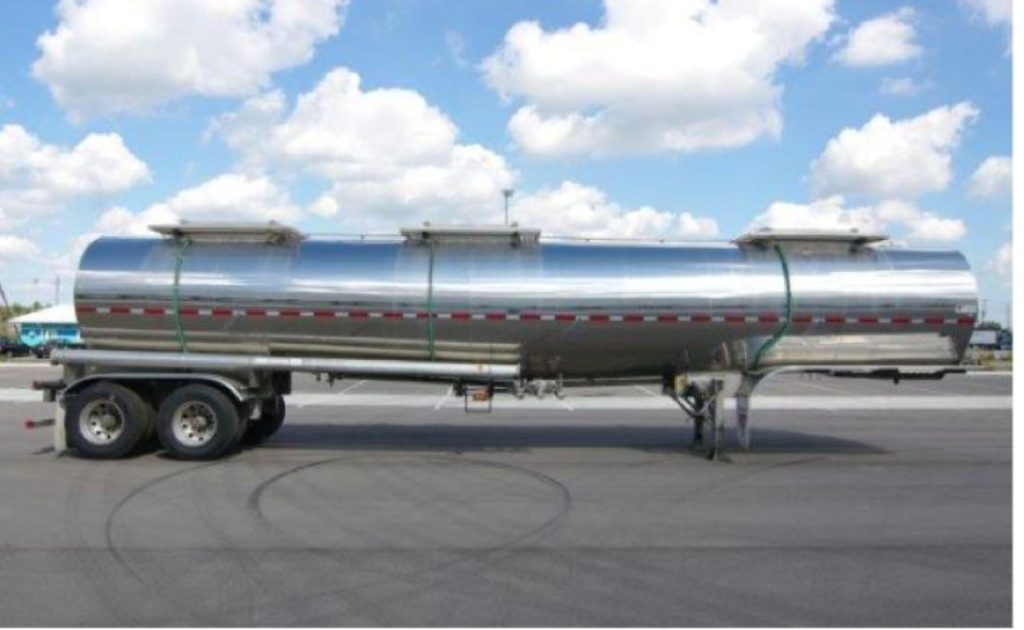
Tanker trailers are specialized trailers designed for transporting bulk liquids, gases, and certain dry bulk materials. Their cylindrical tank design allows for efficient storage and controlled movement of liquid cargo during transit.
They are widely used across fuel distribution, chemical transport, food-grade logistics, and industrial sectors where large volumes of liquid must be moved safely and efficiently.
Key Characteristics
Tanker trailers feature a cylindrical tank structure mounted to a trailer chassis, designed to handle the movement and weight distribution of liquid cargo. Many tanker trailers include internal baffles or compartments to reduce liquid surge and improve stability during transport.
They are built with materials suited to the type of cargo being transported, including aluminum, stainless steel, or specialized coated tanks.
Common Specifications
Length Options
Tanker trailers vary in length depending on capacity and application, typically ranging from shorter regional units to full-length highway configurations.
Capacity
Tankers are rated by volume rather than weight, with capacities measured in gallons, varying widely based on design and intended cargo.
Tank Construction
Common materials include aluminum for fuel transport and stainless steel for chemical or food-grade applications.
Compartments
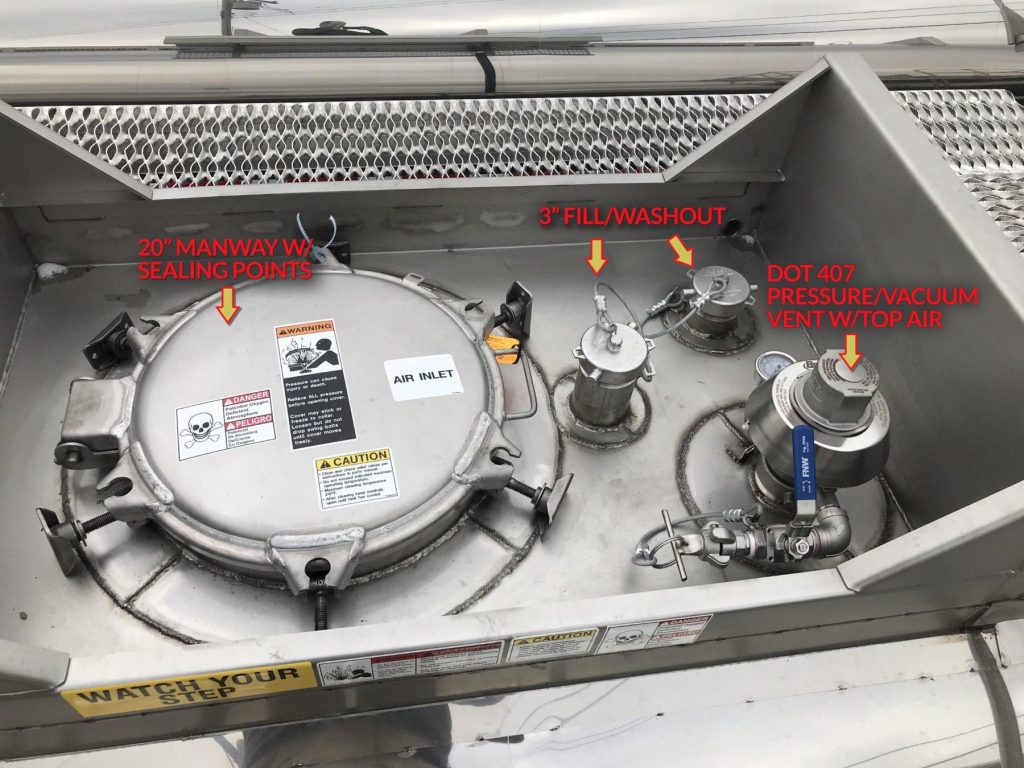
Some tanker trailers are divided into multiple compartments, allowing transport of different products in a single trip.
Loading Systems
Tankers may use top-loading or bottom-loading systems depending on operational requirements and safety standards.
Types of Tanker Trailers
Tanker trailers are categorized based on the type of liquid and operational requirements:
Fuel Tankers
Used for gasoline, diesel, and petroleum transport.
Chemical Tankers
Designed for hazardous and corrosive materials.
Food-Grade Tankers
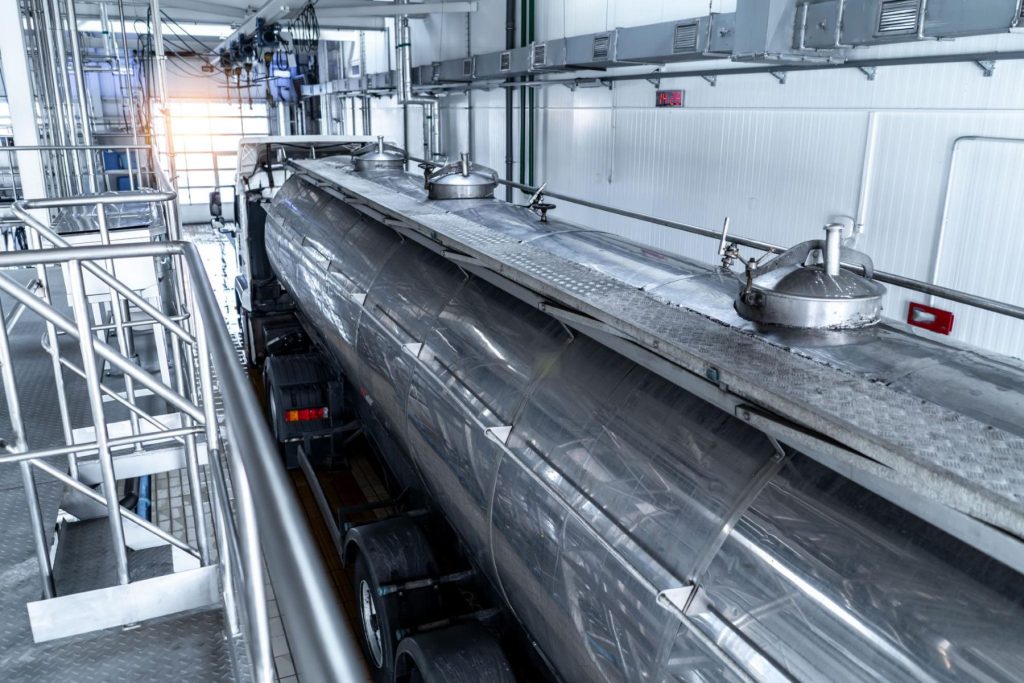
Used for transporting consumable liquids such as milk and oils.ypes of Tanker Trailers
Common Uses
Tanker trailers are used to transport bulk liquids and specialized materials that require controlled containment.
• Fuel and gasoline transport
• Chemical and hazardous materials
• Milk and food-grade liquid transport
• Industrial liquid transport
• Dry bulk materials such as cement or powders
Operational Use
Tanker trailers are used across:
- Long haul tanker freight
- Regional tanker freight
- Dedicated tanker operations
Advantages
Tanker trailers allow efficient transport of large volumes of liquid and bulk materials with specialized containment systems.
• High-capacity liquid transport
• Efficient loading and unloading systems
• Designed for specific cargo types
• Supports multiple industries
• Can transport multiple products with compartments
Limitations or Drawbacks
Tanker trailers require specialized handling and introduce unique operational challenges due to liquid movement and safety requirements.
• Liquid surge can affect stability
• Requires specialized driver training
• Strict regulatory compliance
• Cleaning and maintenance requirements between loads
Driver and Operator Considerations
Operating a tanker trailer requires an understanding of liquid dynamics, including surge and load shifting. Drivers must handle acceleration, braking, and turning carefully to maintain control and safety.
Maintenance and Ownership Notes
Tanker trailers require regular inspection of tank integrity, valves, seals, and loading systems. Cleaning is critical, especially for food-grade and chemical transport, to prevent contamination.
Buying Considerations
When selecting a tanker trailer, buyers should consider tank material, capacity, number of compartments, and the type of cargo being transported. Compliance requirements and cleaning processes should also be evaluated.
Common Brands or Manufacturers
- Heil Trailer
- Polar Tank Trailer
- MAC Trailer
- Tremcar
Variants and Related Configurations
Tanker trailers can be configured based on cargo type, pressure requirements, and industry use.
- Multi-compartment tankers
- Pressurized tankers
- Insulated tankers
- Food-grade sanitary tankers
Comparison to Similar Trailers
Tanker trailers differ from dry bulk and enclosed trailers by being specifically designed for liquid transport. Compared to hopper trailers, tankers are used for liquids rather than granular materials.
Best Fit For
Tanker trailers are best suited for industries requiring bulk liquid transport and specialized containment.
- Fuel distribution
- Chemical transport
- Food-grade logistics
- Industrial liquid transport
- Bulk material hauling
Regulatory and Compliance Notes
Tanker trailers are subject to strict regulations, especially when transporting hazardous materials. Drivers often require additional endorsements, and equipment must meet safety standards for containment and transport.
Real World Operating Notes
In real-world operations, tanker trailers require careful driving techniques and strict adherence to safety protocols. Liquid movement can significantly impact handling, making experience critical.
Tank Trailer Models on Truck Equipment Atlas
Truck Equipment Atlas includes a growing collection of tank trailer profiles covering equipment designed to transport liquid, chemical, petroleum, food-grade, and other bulk commodities throughout the commercial trucking industry.
Explore the tank trailer models currently available on Truck Equipment Atlas:
- Brenner Chemical Tank Trailer
- Heil Tank Trailer
- MAC Tank Trailer
- Polar Tank Trailer
- Tremcar Fuel Tank Trailer
Additional tank trailer manufacturers and models will be added as the Truck Equipment Atlas trailer library continues to expand.
Freight & Industry Sectors
• Liquid & Tanker Freight
• Bulk & Pneumatic Freight
• Specialty & Niche Freight
Related Truck Types
• Sleeper Trucks
• Day Cab Trucks
• Vocational Trucks
Related Equipment
• Suspension Systems
• Brake Systems
• Axles & Differentials
• Safety Systems
• Electrical Systems
Related Trailer Types
- Lowboy / RGN Trailers
- Hopper / Bulk Trailers
- Car Hauler Trailers
- Dump Trailers
- Chassis Trailers
- Log Trailers
- Conestoga Trailers
- Flatbed Trailers
- Specialty Trailers
- Step Deck (Drop Deck) Trailers
- Dry Van Trailers
- Refrigerated Trailers
Related Guides
- Choosing the Right Trailer for Your Freight
- Complete Guide to Trailer Types
- Complete Guide to Freight Types
Frequently Asked Questions
What is a tanker trailer used for?
Tanker trailers are used to transport liquids, gases, and certain dry bulk materials.
Do tanker drivers need special endorsements?
Yes, many require a tanker endorsement and possibly hazardous materials certification.
What is liquid surge?
Liquid surge is the movement of liquid inside the tank that can affect vehicle stability.
Availability and Where to Find
Tanker trailers are available through specialized manufacturers and dealers, with configurations tailored to specific industries and cargo types.
Support Trucking Families
Truck Equipment Atlas supports the mission of Grey Cross, a nonprofit dedicated to helping families of truck drivers who lose their lives while on the road. As the site grows, part of its mission is to bring awareness and support to these families.
Podcast or Video Section
Learn More Through Audio and Video
Truck Equipment Atlas will continue expanding with podcast episodes, interviews, and equipment breakdowns to help drivers and fleets better understand trucks and equipment.
Follow the Growth of Truck Equipment Atlas
Truck Equipment Atlas continues to expand with new truck profiles, trailer coverage, diesel engine pages, equipment system resources, manufacturer information, freight-sector content, and educational guides.
Visit our Site Updates page to follow major milestones, newly published resources, and future projects as we continue building one of the industry’s growing commercial trucking equipment reference libraries.
From commercial trucks and specialized trailers to diesel engines, equipment systems, and future Truck Stop Atlas resources, new content is being added regularly to help drivers, owner-operators, fleets, technicians, students, and industry professionals better understand the equipment that keeps freight moving.