
Sleeper Trucks

Overview
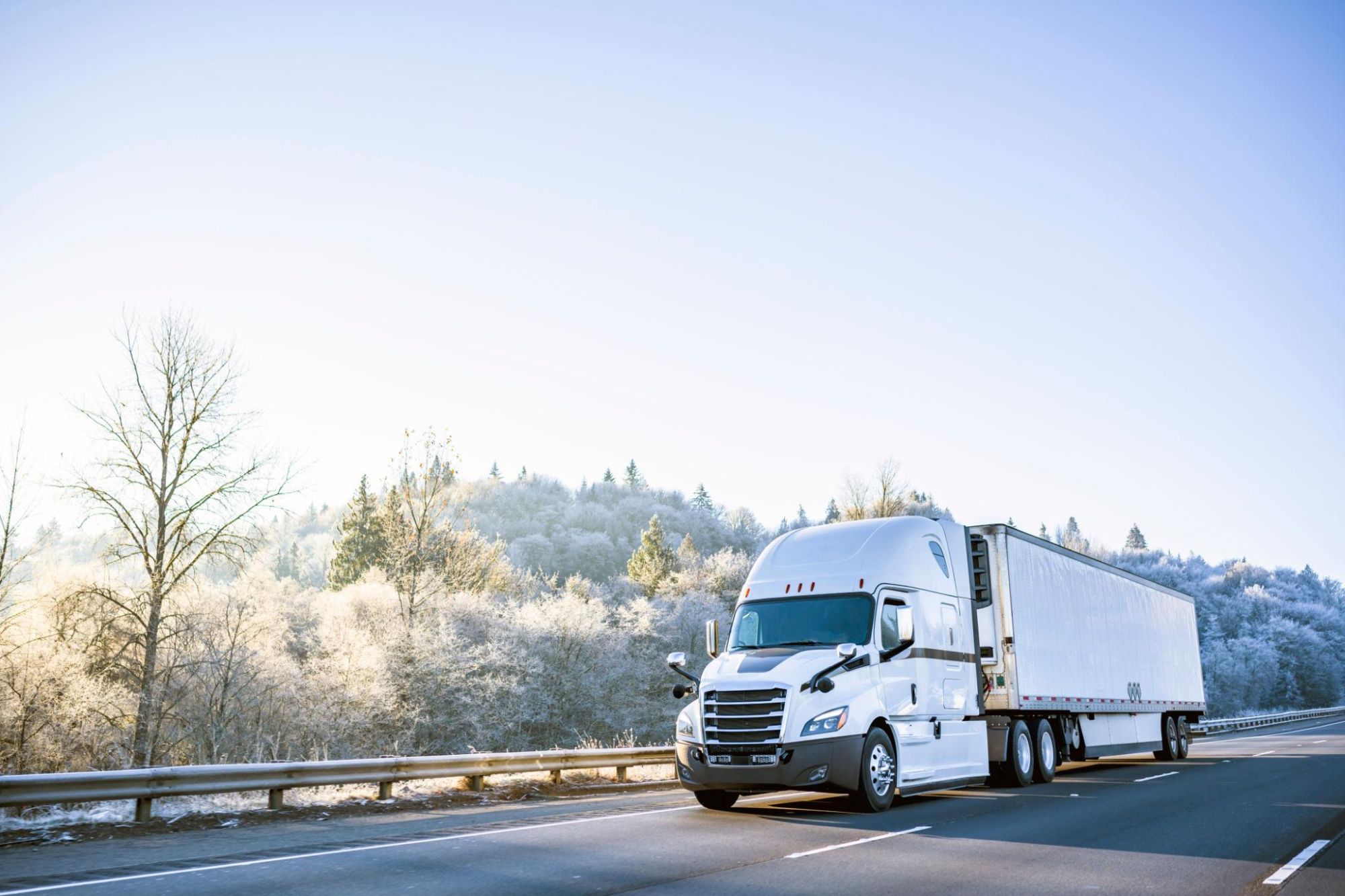
Sleeper trucks are designed for long haul operations where drivers spend extended periods on the road. Unlike day cab trucks, sleeper trucks include a built-in living space behind the driver’s seat, allowing for rest, storage, and basic comfort during multi-day trips.
These trucks are the backbone of over the road freight, supporting everything from coast to coast deliveries to dedicated long distance routes.
As freight demand continues to rely on long haul movement, sleeper trucks remain one of the most widely used and essential truck configurations in the industry.
Key Characteristics
Sleeper trucks are built with features that support long distance travel, driver comfort, and operational efficiency.
• Integrated sleeper compartment behind the cab
• Larger fuel tank capacity for extended range
• Aerodynamic design for fuel efficiency
• Increased storage space inside and outside the cab
• Configurations designed for one or two drivers
Common Configurations
Sleeper trucks are available in multiple cab and roof configurations depending on driver preference and application.
• High roof sleeper for maximum standing room
• Mid roof sleeper for balance of space and aerodynamics
• Flat top sleeper for regional or weight-sensitive operations
• Double bunk setups for team driving
Common Uses
Sleeper trucks are primarily used in long distance freight operations where drivers are required to stay on the road for extended periods.
• Over the road freight (OTR)
• Regional long haul routes
• Dedicated contract freight
• Team driving operations
• Expedited freight requiring continuous movement
Advantages
Sleeper trucks provide several operational and driver-related benefits that make them ideal for long haul applications.
• Allows drivers to rest without leaving the truck
• Reduces downtime between loads
• Supports team driving for increased efficiency
• Greater range between fuel stops
• Designed for driver comfort over long periods
Limitations
While sleeper trucks are highly versatile, they are not ideal for every type of operation.
• Higher upfront cost compared to day cabs
• Increased weight can reduce payload capacity
• Less maneuverable in tight urban environments
• Not efficient for short haul or local routes
Driver and Operator Considerations
Choosing the right sleeper truck depends heavily on the type of freight, route structure, and driver preferences.
Drivers should consider factors such as interior space, ride quality, storage layout, and overall comfort when selecting a sleeper configuration. For operators, fuel efficiency, maintenance costs, and uptime are critical in determining long term value.
Sleeper size and layout can also impact driver retention, especially in competitive long haul markets.
Maintenance and Ownership Notes
Sleeper trucks typically operate under high mileage conditions, making consistent maintenance essential.
• Regular engine and drivetrain servicing is critical
• Idle time management impacts long term engine health
• Cab and sleeper components require additional upkeep
• Preventative maintenance reduces costly downtime
Fleet operators often prioritize reliability and service network access when selecting sleeper truck models.
Sleeper Truck Models
The following trucks covered by Truck Equipment Atlas are available in, or commonly associated with, sleeper configurations. Cab and sleeper availability may vary by model year and application.
Freightliner Sleeper Trucks
- Freightliner 114SD
- Freightliner 122SD
- Freightliner Cascadia
- Freightliner Classic
- Freightliner Coronado
International Sleeper Trucks
Kenworth Sleeper Trucks
Mack Sleeper Trucks
Peterbilt Sleeper Trucks
Volvo Sleeper Trucks
Western Star Sleeper Trucks
Freight & Industry Sectors
• Dry Van Freight
• Refrigerated (Reefer) Freight
• Flatbed Freight
• Heavy Haul / Oversized Freight
• Intermodal & Container Freight
Related Trailer Types
• Dry Van Trailers
• Refrigerated (Reefer) Trailers
• Flatbed Trailers
• Lowboy / RGN TrailersRelated Trailer Types
Related Equipment
• Engines
• Transmissions
• Aerodynamics & Fairings
• Telematics & ELD Systems
• Safety Systems
Related Truck Types
How to Use This Section
Each truck category leads to more detailed pages that break down specific models, configurations, and real world applications.
As the platform grows, this section will serve as a central reference point for understanding how sleeper trucks compare to other truck types and where they fit within different freight operations.
What You’ll Find on Sleeper Truck Pages
Each individual sleeper truck page on Truck Equipment Atlas follows a structured format to provide consistent and useful information.
This includes:
• Overview and real world use
• Key characteristics and specifications
• Advantages and limitations
• Driver and operator considerations
• Maintenance and ownership insights
• Comparisons to similar trucks
• Best fit applications and industries
This structure allows users to quickly evaluate which trucks best match their needs.
Looking Ahead
The Sleeper Trucks section will continue to expand as new models and configurations are added.
Future expansion will include:
• Detailed model breakdowns
• Engine and drivetrain pairings
• Real world performance comparisons
• Interior and comfort feature analysis
Follow the Growth of Truck Equipment Atlas
Truck Equipment Atlas continues to expand with new truck profiles, trailer coverage, diesel engine pages, equipment system resources, manufacturer information, freight-sector content, and educational guides.
Visit our Site Updates page to follow major milestones, newly published resources, and future projects as we continue building one of the industry’s growing commercial trucking equipment reference libraries.
From commercial trucks and specialized trailers to diesel engines, equipment systems, and future Truck Stop Atlas resources, new content is being added regularly to help drivers, owner-operators, fleets, technicians, students, and industry professionals better understand the equipment that keeps freight moving.
Explore the Latest Site Updates
Stay Connected
As new truck types and models are added, this section will continue to evolve into a comprehensive reference for long haul trucking equipment.