
Heavy Haul / Oversized Freight
Overview
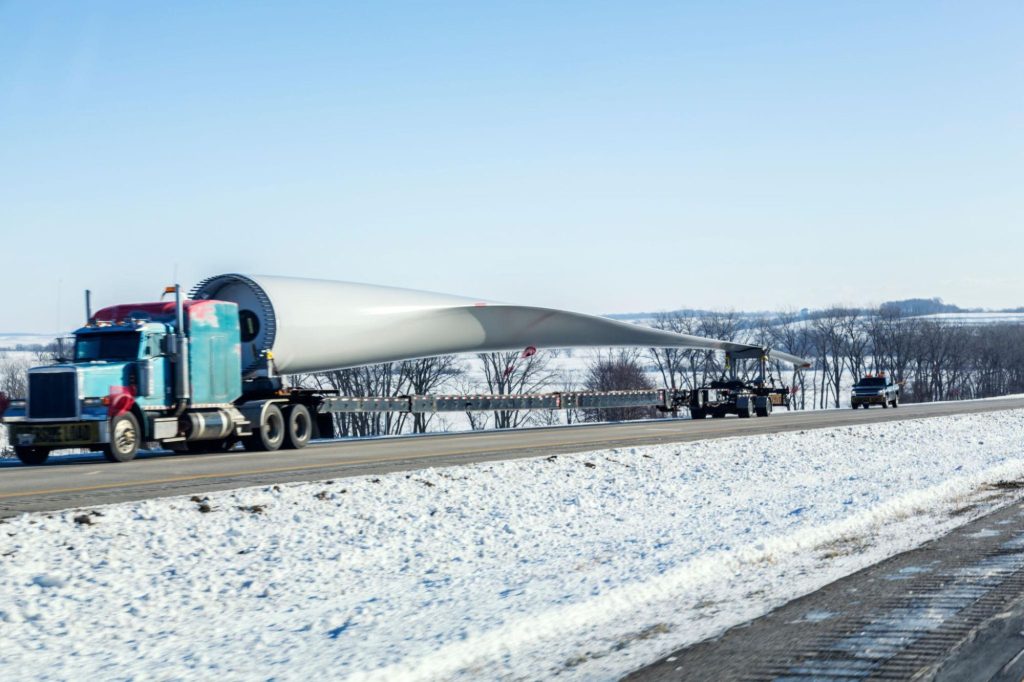
Heavy haul and oversized freight involves transporting loads that exceed standard legal size or weight limits. This type of freight requires specialized equipment, permits, route planning, and experienced drivers.
Heavy haul operations are critical for industries such as construction, energy, and infrastructure, where large equipment and components must be transported safely and efficiently.
Key Characteristics
Heavy haul freight is defined by size, weight, and specialized requirements.
• Exceeds standard legal dimensions or weight limits
• Requires permits and route planning
• Often involves escort vehicles (pilot cars)
• Uses specialized trailers and equipment
• Requires experienced drivers and planning
Common Configurations
Heavy haul operations require specialized equipment setups.
• Lowboy / RGN trailers (most common)
• Multi-axle trailer configurations
• Extendable trailers
• Specialized heavy-duty tractors
• Escort vehicle support (in many cases)
Common Freight Types
Heavy haul trailers transport extremely large and heavy equipment.
• Construction equipment (bulldozers, excavators)
• Industrial machinery
• Wind turbine components
• Large steel structures
• Oversized infrastructure components
Advantages
Heavy haul freight offers some of the highest earning potential in trucking.
• Higher pay due to specialization
• Less competition
• Unique and specialized loads
• Strong demand in infrastructure and energy sectors
• Opportunities for niche operations
Limitations
Heavy haul operations are complex and demanding.
• Requires permits and regulatory compliance
• Complex route planning
• Slower travel speeds
• Increased liability and risk
• Higher equipment costs
Driver and Operator Considerations
Drivers must have experience handling oversized loads and understanding permit requirements. Attention to detail is critical, as route restrictions, bridge limits, and clearances must be carefully managed.
Equipment Requirements
Heavy haul freight requires specialized equipment and support systems.
• Lowboy / RGN trailer
• Multi-axle configurations
• Heavy-duty tractor
• Securement equipment
• Escort vehicles (pilot cars, when required)
Typical Operations
Heavy haul freight operates within highly planned logistics environments.
• Construction and infrastructure projects
• Energy sector (wind, oil, gas)
• Industrial manufacturing transport
• Specialized regional and national routes
• Permit-controlled travel lanes
Earning Potential and Market
Heavy haul freight is one of the highest-paying segments in trucking.
• Premium rates due to complexity
• Limited number of qualified operators
• Strong demand tied to large-scale projects
• Opportunities for specialized contracts
Related Truck Types
• Sleeper Trucks
• Day Cab Trucks
• Dump Trucks
• Box Trucks
• Vocational Trucks
• Heavy Haul Trucks
Related Freight Types
• Dry Van Freight
• Refrigerated (Reefer) Freight
• Flatbed Freight
• Bulk & Pneumatic Freight
• Liquid & Tanker Freight
• Automotive Transport Freight
• Construction & Aggregate Freight
• Intermodal & Container Freight
• Logging & Forestry Freight
• Specialty & Niche Freight
Related Trailer Types
- Specialty Trailers
- Dry Van Trailers
- Refrigerated (Reefer) Trailers
- Flatbed Trailers
- Step Deck (Drop Deck) Trailers
- Lowboy / RGN Trailers
- Tanker Trailers
- Hopper / Bulk Trailers
- Dump Trailers
- Car Hauler Trailers
- Conestoga Trailers
- Chassis Trailers
- Log Trailers
- RGN Trailers
Related Equipment
• Engines
• Transmissions
• Axles & Differentials
• Suspension Systems
• Brake Systems
How to Use This Section
This page provides a clear overview of heavy haul freight and how it operates within the trucking industry. It helps users understand whether this type of freight fits their experience level, equipment, and operational goals.
What You’ll Find on Heavy Haul Pages
Future pages will expand into deeper details of heavy haul operations.
• Permit requirements by state
• Route planning strategies
• Equipment comparisons
• Safety and compliance
Heavy Haul Freight Expansion
This section will expand with more detailed pages focused on oversized operations.
Planned pages include:
• Oversize Permit Guide
• Heavy Haul Equipment Breakdown
• Multi-Axle Configurations
• Escort Vehicle Requirements
Trucking Equipment Guides
Looking to learn more about commercial trucking equipment? Visit our Trucking Equipment Guides section for educational resources covering truck types, trailer configurations, diesel engines, equipment systems, freight operations, maintenance considerations, and equipment buying advice.
Explore Our Trucking Equipment Guides
Stay Connected
As more freight-specific content is added, this section will continue to grow into a complete resource for understanding heavy haul operations.