
Bulk & Pneumatic Freight
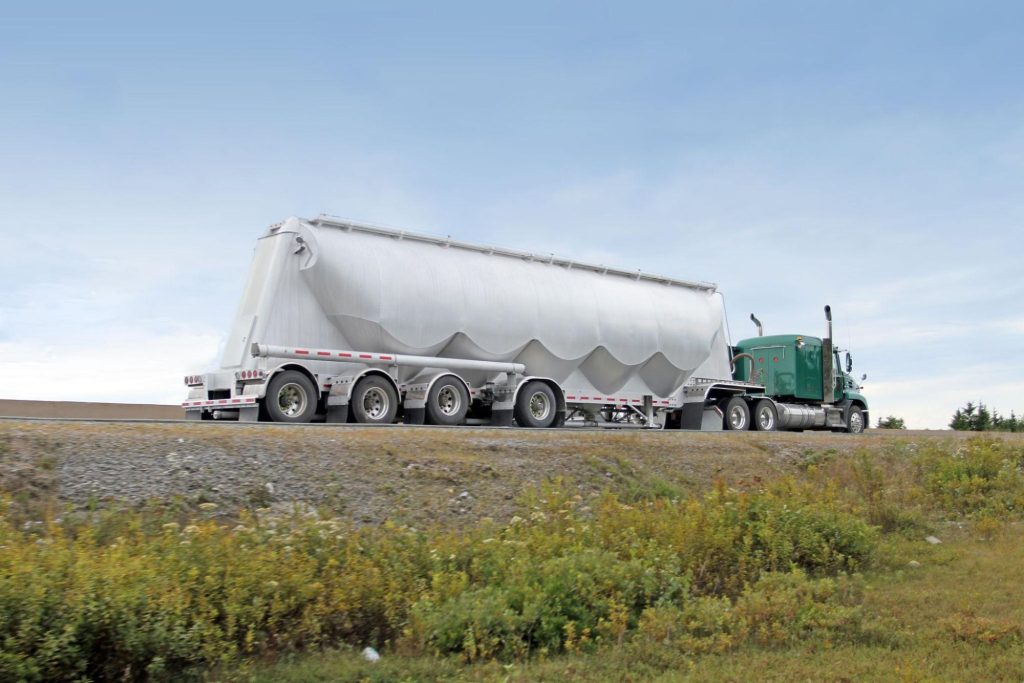
Overview
Bulk and pneumatic freight involves transporting loose, dry materials that are not packaged or palletized. These materials are typically moved in specialized trailers designed to load and unload using gravity or air pressure systems.
This type of freight is commonly used in industries such as construction, agriculture, and manufacturing, where large volumes of raw materials must be moved efficiently.
Key Characteristics
Bulk and pneumatic freight is defined by its loose material handling and specialized unloading systems.
• Transported as loose, unpackaged material
• Uses hopper or pneumatic trailer systems
• Loaded through top hatches and unloaded through bottom or air pressure
• Requires specialized handling and equipment
• Typically involves high-volume loads
Common Configurations
Bulk operations use specific trailer setups depending on the material.
• Hopper / bulk trailers (gravity unload)
• Pneumatic trailers (air unload systems)
• Multi-hopper compartment trailers
• Pressure-based unloading systems
• Dry bulk hauling configurations
Common Freight Types
Bulk trailers carry a wide range of dry materials.
• Cement and concrete materials
• Sand and gravel
• Grain and agricultural products
• Powdered chemicals
• Industrial raw materials
Operational Models
- Dedicated bulk operations
- Long haul bulk operations
- Regional bulk operations
Advantages
Bulk and pneumatic freight offers strong niche opportunities.
• Less competition compared to general freight
• Consistent demand in construction and agriculture
• Efficient high-volume transport
• Specialized market with steady lanes
• Reduced loading/unloading labor (system-based)
Limitations
Bulk freight requires specialized equipment and knowledge.
• Limited to specific freight types
• Requires understanding of unloading systems
• Equipment cost can be higher
• Cleaning and contamination concerns
• Fewer load variety options
Driver and Operator Considerations
Drivers must understand how to operate unloading systems and manage material flow. Attention to safety is critical, especially when working with pressurized systems or hazardous materials.
Equipment Requirements
Bulk freight requires specialized trailers and systems.
• Hopper / Bulk trailer
• Pneumatic trailer (for air unload)
• Air compressor system (for pneumatic)
• Standard tractor (day cab or sleeper)
Typical Operations
Bulk freight operates in industrial and agricultural supply chains.
• Construction material delivery
• Agricultural transport routes
• Manufacturing supply chains
• Regional and dedicated hauling
• Industrial facility deliveries
Earning Potential and Market
Bulk freight is a steady niche within the trucking industry.
• Competitive rates within specialized market
• Consistent demand tied to construction and agriculture
• Lower competition than dry van
• Opportunities for dedicated routes
Related Truck Types
• Sleeper Trucks
• Day Cab Trucks
• Dump Trucks
• Box Trucks
• Vocational Trucks
• Heavy Haul Trucks
Related Freight Types
• Dry Van Freight
• Refrigerated (Reefer) Freight
• Flatbed Freight
• Heavy Haul / Oversized Freight
• Liquid & Tanker Freight
• Automotive Transport Freight
• Construction & Aggregate Freight
• Intermodal & Container Freight
• Logging & Forestry Freight
• Specialty & Niche Freight
Related Equipment
• Engines
• Transmissions
• Suspension Systems
• Brake Systems
• Safety Systems
Related Trailer Types
- Specialty Trailers
- Dry Van Trailers
- Refrigerated (Reefer) Trailers
- Flatbed Trailers
- Step Deck (Drop Deck) Trailers
- Lowboy / RGN Trailers
- Tanker Trailers
- Hopper / Bulk Trailers
- Dump Trailers
- Car Hauler Trailers
- Conestoga Trailers
- Chassis Trailers
- Log Trailers
How to Use This Section
This page provides a clear overview of bulk and pneumatic freight and how it operates within the trucking industry. It helps users understand whether this type of freight fits their equipment and operational goals.
What You’ll Find on Bulk Freight Pages
Future pages will expand into deeper details of bulk hauling operations.
• Hopper vs pneumatic comparisons
• Material handling techniques
• Equipment operation guides
• Market insights
Bulk & Pneumatic Freight Expansion
This section will expand with more detailed pages focused on bulk operations.
Planned pages include:
• Hopper vs Pneumatic Guide
• Bulk Load Types
• Pneumatic System Operation
• Cleaning and Contamination Control
Trucking Equipment Guides
Looking to learn more about commercial trucking equipment? Visit our Trucking Equipment Guides section for educational resources covering truck types, trailer configurations, diesel engines, equipment systems, freight operations, maintenance considerations, and equipment buying advice.
Explore Our Trucking Equipment Guides
Stay Connected
As more freight-specific content is added, this section will continue to grow into a complete resource for understanding bulk transport systems.