
Refrigeration Units
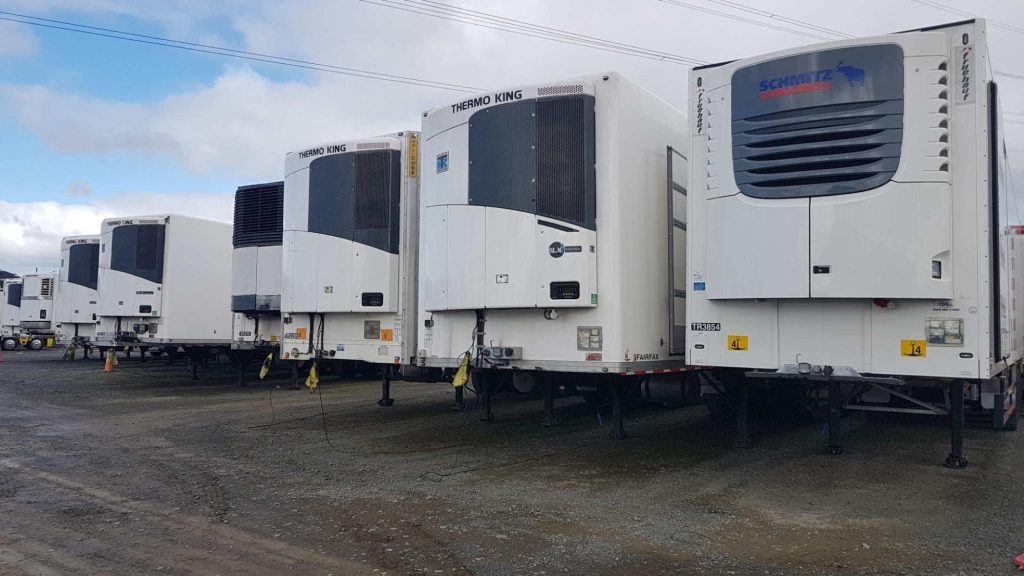
Overview
Refrigeration units, commonly referred to as “reefer units,” are specialized systems mounted on refrigerated trailers that maintain controlled temperature environments for transporting perishable and temperature-sensitive freight. These units allow carriers to move goods such as food, pharmaceuticals, and chemicals safely across short and long distances.
Refrigeration units operate independently of the truck’s engine and are designed to maintain consistent internal trailer temperatures regardless of external weather conditions.
Key Characteristics
Refrigeration units are defined by several core operational features:
- Designed for precise temperature control and consistency
- Mounted on the front of refrigerated trailers
- Self-powered systems (typically diesel or electric)
- Capable of maintaining both frozen and chilled temperatures
- Continuous operation during transit and while parked
- Integrated with monitoring and telematics systems
How Refrigeration Units Work
Reefer units function by circulating cooled air throughout the trailer using a controlled refrigeration cycle.
Core process:
- Air is pulled from inside the trailer
- Heat is removed through a refrigeration system
- Cold air is circulated back into the trailer
- Temperature is maintained based on setpoint controls
These systems can operate in:
- Start/stop mode (cycles to maintain temperature)
- Continuous mode (constant airflow)
Common Temperature Ranges
Refrigeration units support a wide range of cargo requirements:
- Frozen freight: typically below 0°F
- Refrigerated freight: 32°F to 55°F
- Controlled ambient: above standard refrigerated ranges
Temperature precision is critical to prevent spoilage or damage.
Types of Refrigeration Units
Diesel-Powered Reefer Units
- Most common type
- Uses a small diesel engine
- Independent from tractor
- Ideal for long haul operations
Electric Reefer Units
- Powered by external electric sources
- Common in warehouses and intermodal operations
- Lower emissions and noise
Hybrid Systems
- Used for flexibility in different environments
- Combine diesel and electric capabilities
Major Components
Refrigeration units consist of several key components:
- Compressor
- Condenser
- Evaporator
- Control system
- Fuel system (diesel units)
- Air circulation fans
Each component plays a role in maintaining stable temperature conditions.
Advantages
Refrigeration units provide critical benefits:
- Expands freight capabilities for carriers
- Enables transport of perishable goods
- Maintains product integrity over long distances
- Supports food safety and pharmaceutical compliance
- Allows year-round transport regardless of climate
Limitations and Considerations
There are also important operational considerations:
- Noise and emissions (diesel units)
- Higher operating and maintenance costs
- Requires fuel or power for continuous operation
- Risk of cargo loss if system fails
- Requires regular inspection and servicing
Maintenance and Reliability
Proper maintenance is essential for performance:
- Regular inspection of cooling components
- Monitoring fuel levels (diesel units)
- Checking seals and airflow systems
- Ensuring temperature calibration accuracy
- Preventive maintenance schedules
Failure to maintain units can result in costly cargo loss.
Integration with Telematics
Refrigeration units are often integrated with:
These systems allow:
- Data logging for compliance
- Real-time temperature tracking
- Alerts for temperature deviations
- Remote adjustment of settings
Applications and Use Cases
Refrigeration units are used across multiple industries:
- Food and grocery distribution
- Pharmaceutical transport
- Agriculture and produce
- Beverage logistics
- Cold storage supply chains
Related Equipment Systems
Refrigeration units operate alongside other core truck systems:
FAQ
What is a reefer unit?
A reefer unit is a refrigeration system mounted on a trailer that maintains controlled temperatures for transporting perishable goods.
Do reefer units run independently of the truck?
Yes, most reefer units operate using their own power source, separate from the truck engine.
What happens if a reefer unit fails?
Temperature-sensitive cargo can spoil quickly, leading to significant financial loss.
Availability and Industry Demand
Refrigeration units are essential to modern logistics, supporting industries that rely on temperature-controlled transportation. Demand continues to grow alongside food distribution, healthcare logistics, and global supply chains.
Follow the Growth of Truck Equipment Atlas
Truck Equipment Atlas continues to expand with new truck profiles, trailer coverage, diesel engine pages, equipment system resources, manufacturer information, freight-sector content, and educational guides.
Visit our Site Updates page to follow major milestones, newly published resources, and future projects as we continue building one of the industry’s growing commercial trucking equipment reference libraries.
From commercial trucks and specialized trailers to diesel engines, equipment systems, and future Truck Stop Atlas resources, new content is being added regularly to help drivers, owner-operators, fleets, technicians, students, and industry professionals better understand the equipment that keeps freight moving.
Explore the Latest Site Updates
Support Trucking Families
Drivers operating refrigerated equipment play a vital role in delivering essential goods. Organizations like Grey Cross support trucking families during times of need.