
Dry Van Trailers
Quick Facts
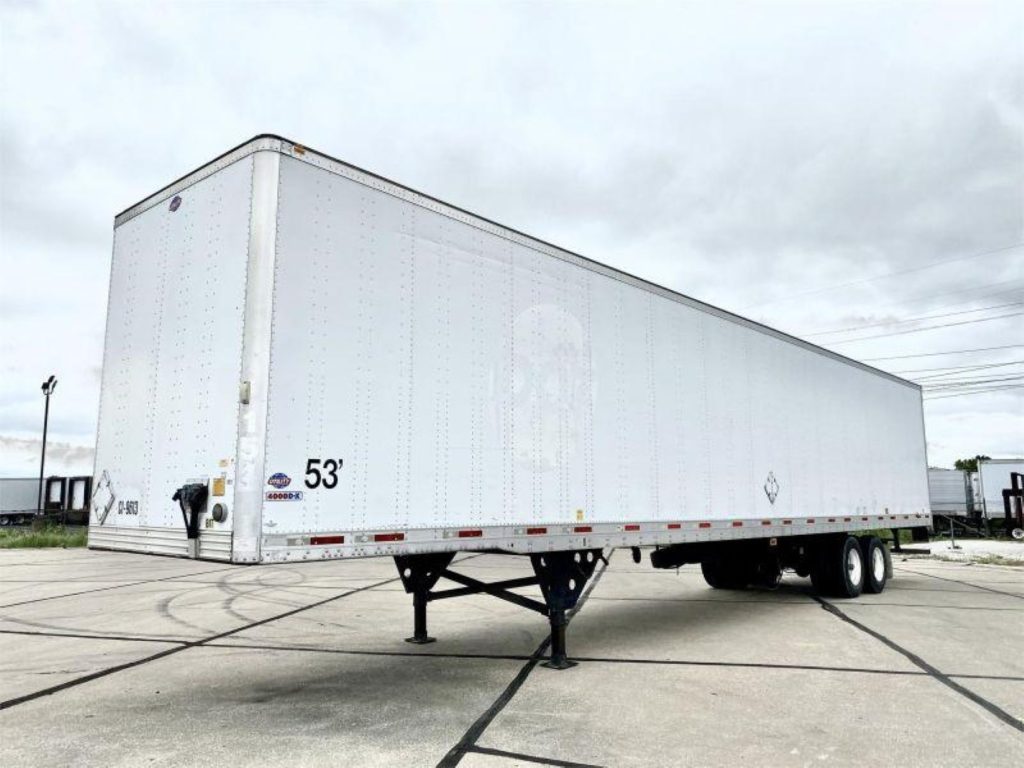
- Trailer Type: Enclosed Dry Freight Trailer
- Common Lengths: 48 ft, 53 ft
- Common Width: 8.5 ft (102 inches)
- Typical Height: 13.5 ft overall (varies slightly)
- Weight Capacity: Up to 45,000 lbs (depending on configuration)
- Axle Configuration: Tandem Axle (most common)
- Common Materials: Aluminum, Steel, Composite Panels
- Primary Applications: General Freight, Retail, Distribution
- Regulatory Class: Standard DOT Trailer
Overview
The dry van trailer is the most widely used trailer in the trucking industry, designed to haul enclosed freight that needs protection from weather and road conditions. It serves as the standard trailer for general freight, making it a core component of both regional and long haul operations.
Dry vans are commonly used for palletized goods, retail shipments, and packaged products that do not require temperature control. Their enclosed design provides security and protection, making them one of the most versatile trailer types on the road.
Because of their standardization and compatibility with loading docks, dry van trailers are heavily used by large fleets, owner operators, and logistics companies across nearly every freight sector.
Key Characteristics
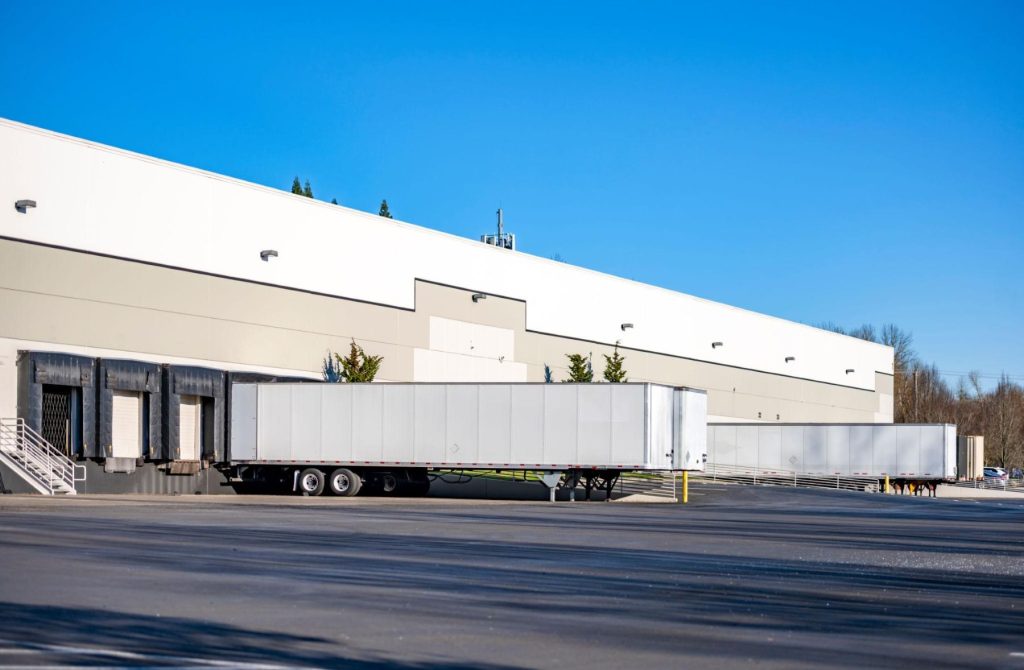
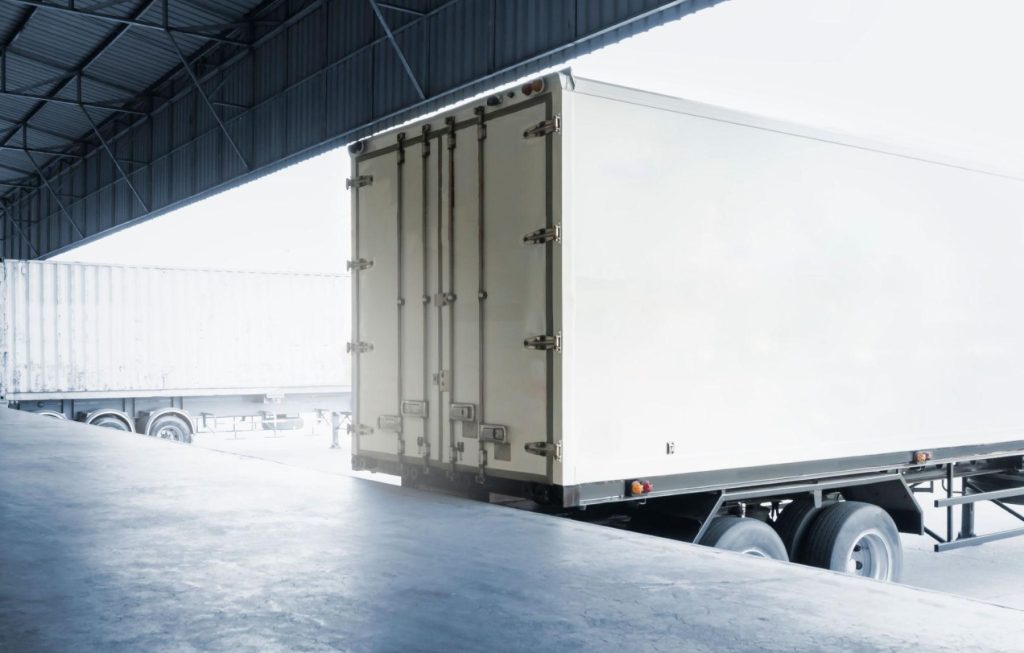
Dry van trailers are fully enclosed, offering protection from weather, debris, and theft. They are designed for efficiency in loading and unloading, particularly at shipping docks.
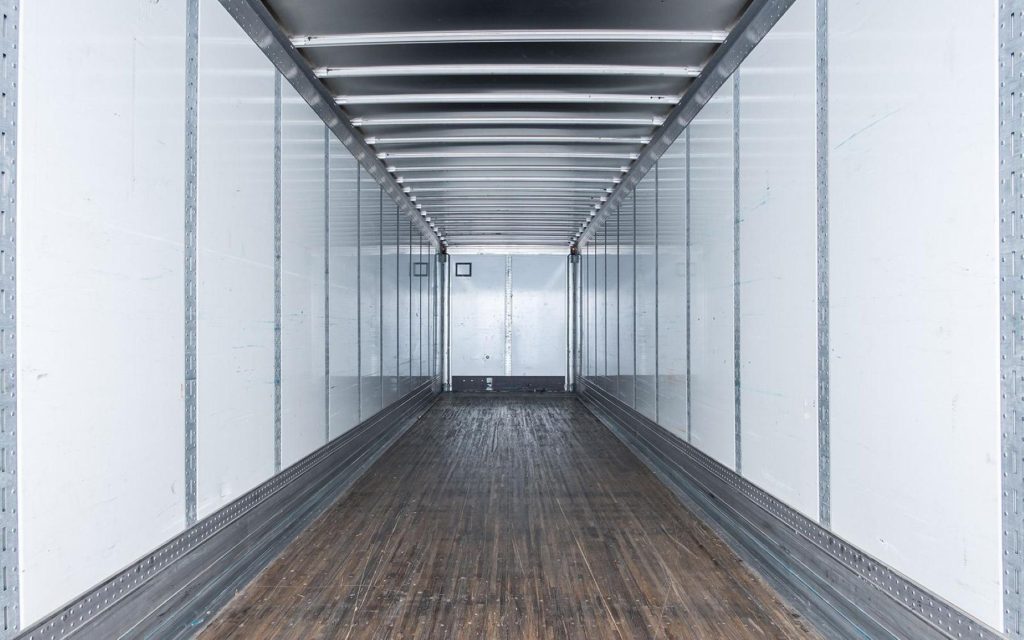
The standard box shape allows for maximum cargo space and compatibility with palletized freight. Most dry vans are equipped with swing doors or roll-up doors and feature flat floors designed for forklifts and pallet jacks.
Their universal design makes them one of the easiest trailers to operate and integrate into existing freight networks.
Common Specifications
Length Options
The most common lengths are 53 feet for long haul freight and 48 feet for certain regional or regulatory applications.
Width and Height
Standard width is 102 inches, allowing for efficient pallet loading. Interior height varies but is typically designed to maximize cubic capacity.
Axle Configurations
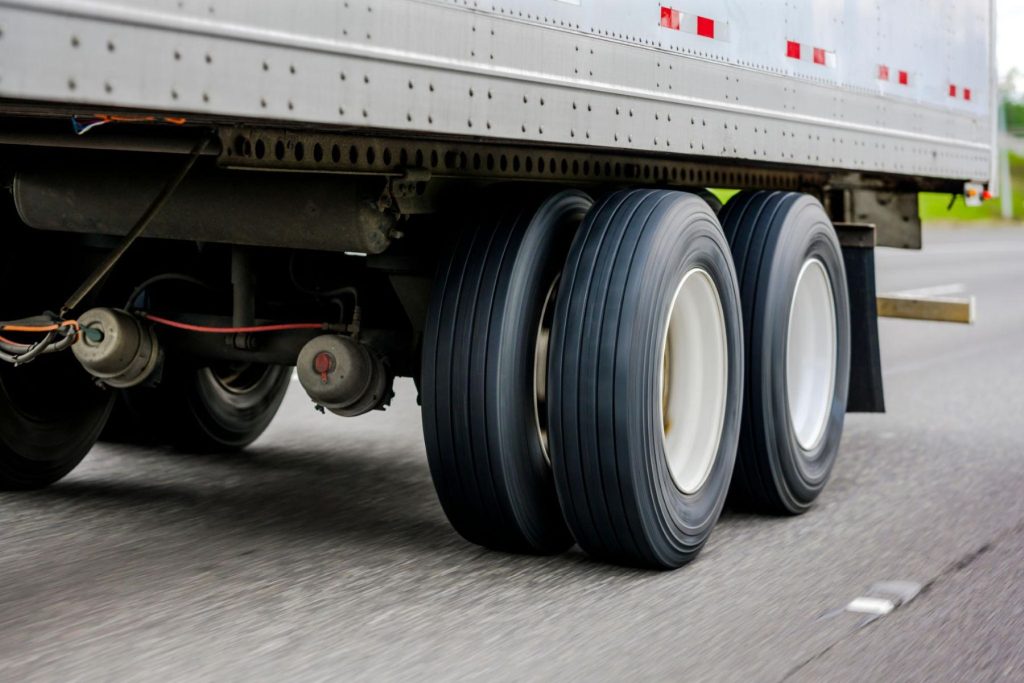
Most dry vans use tandem axle setups, though spread axle configurations are also used in certain applications.
Flooring Types
Floors are typically wood or composite, designed to support forklift traffic and heavy palletized loads.
Door Types
Common door types include swing doors and roll-up doors, depending on application and preference.
Suspension Types
Air ride suspension is most common, providing smoother transport for freight.
Types of Dry Van Trailers
- Standard Dry Van Trailers
- High Cube Dry Van Trailers
- Logistics Post Dry Vans
- Liftgate-Equipped Dry Vans
Common Uses
Dry van trailers are used for a wide range of freight that requires protection but not temperature control.
- General freight
- Retail goods
- Packaged products
- Palletized shipments
- E-commerce distribution

Dry Van Trailer Sizes
Dry van trailers are available in multiple standard lengths, with the most common being 53 ft and 48 ft configurations. Each size serves a specific role depending on freight volume, route type, and operational requirements.
53 ft Dry Van Trailer
The 53 ft dry van trailer is the industry standard for high-capacity freight, offering maximum pallet space and efficiency for long haul and large-volume shipments.
48 ft Dry Van Trailer
The 48 ft dry van trailer provides greater maneuverability and flexibility, making it well-suited for regional routes, urban deliveries, and operations with tighter space constraints.
Advantages
Dry van trailers offer several advantages that make them the most common trailer on the road.
- Fully enclosed cargo protection
- Widely accepted at loading docks
- Versatile across many industries
- Lower cost compared to specialized trailers
- Easy to operate and maintain
Limitations or Drawbacks
Despite their versatility, dry vans are not suitable for all freight types.
- Cannot haul oversized loads
- Limited loading access (rear only in most cases)
- Not suitable for temperature-sensitive freight
- Requires dock or loading equipment in many cases
Driver and Operator Considerations
Dry van trailers are relatively straightforward to operate, making them ideal for both new and experienced drivers. Backing into docks is a key skill required, especially in tight distribution centers.
Drivers must also be aware of load securement inside the trailer, as shifting cargo can impact safety and handling.
Visibility is limited to rear access, so careful maneuvering and awareness are important during loading and unloading.
Maintenance and Ownership Notes
Maintenance for dry van trailers focuses on key wear components such as tires, brakes, suspension systems, and flooring. Door seals and hinges should also be regularly inspected to maintain cargo protection.
Because these trailers are used heavily across the industry, parts and service are widely available, making maintenance relatively straightforward.
Buying Considerations
When purchasing a dry van trailer, buyers should evaluate condition, age, and usage history.
Important factors include floor condition, axle wear, suspension condition, and overall structural integrity. New trailers offer consistency and warranty support, while used trailers may provide cost savings depending on condition.
Matching the trailer to the type of freight and routes is essential for long-term performance.
Common Brands or Manufacturers
- Wabash
- Great Dane
- Utility Trailer Manufacturing
- Hyundai Translead
Variants and Related Configurations
Dry van trailers are available in several variations to meet different operational needs.
- 48 ft and 53 ft versions
- Liftgate-equipped trailers
- Insulated dry vans
- Logistics or fleet-specific configurations
Comparison to Similar Trailers
Dry van trailers are often compared to flatbed and refrigerated trailers.
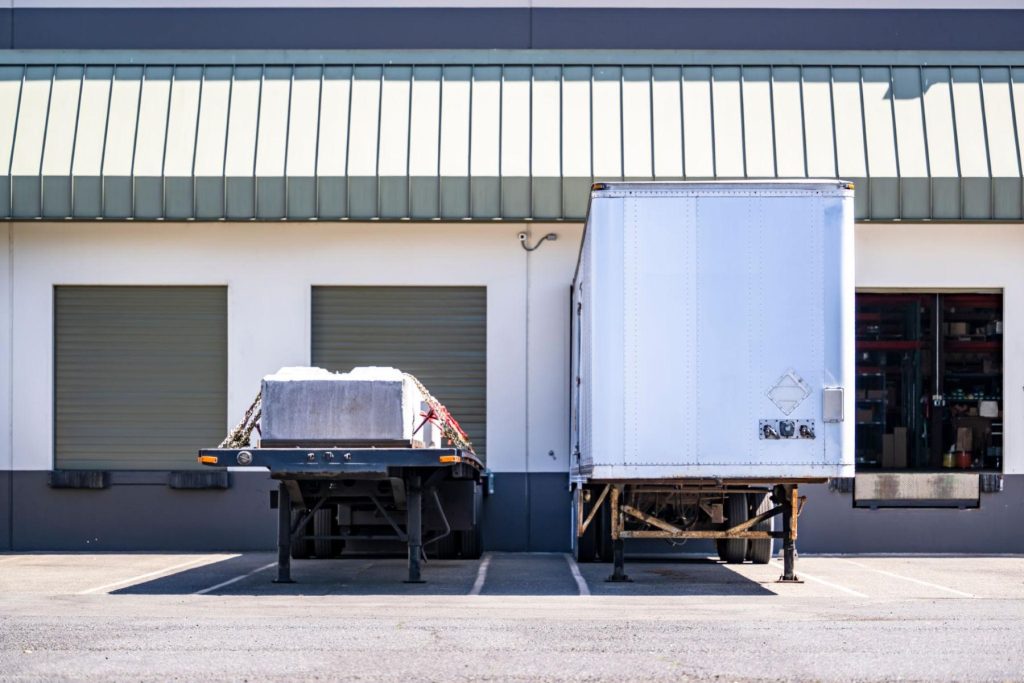
Compared to flatbeds, dry vans provide enclosed protection but less flexibility for oversized freight. Compared to refrigerated trailers, dry vans are more cost-effective but do not offer temperature control.
Best Fit For
Dry van trailers are best suited for:
- General freight carriers
- Retail and distribution operations
- Long haul and regional drivers
- High-volume shipping environments
Regulatory and Compliance Notes
Dry van trailers must comply with DOT regulations, including weight limits, safety inspections, and equipment standards. Length restrictions may vary by state, particularly for 53 ft trailers.
Operators must also ensure proper load securement to meet safety requirements.
Real World Operating Notes
Dry vans are the most common trailer on the road, making them one of the easiest trailer types to find freight for. They are widely accepted across industries and offer consistent demand.
Because of their standard design, drivers and carriers can operate them across a wide range of routes and applications with minimal specialization.
Dry Van Trailer Models on Truck Equipment Atlas
Truck Equipment Atlas includes a growing collection of individual dry van trailer profiles from manufacturers serving the commercial freight industry. These trailers are commonly used to transport general freight, packaged goods, palletized cargo, and other products that require protection from weather and road conditions.
Explore the dry van trailer models currently available on Truck Equipment Atlas:
- Great Dane Champion Dry Van
- Hyundai Translead Dry Van
- Stoughton Dry Van
- Utility 3000D Dry Van
- Wabash DuraPlate Dry Van
Additional dry van manufacturers and trailer models will be added as the Truck Equipment Atlas trailer library continues to expand.Popular Trailer Models
Freight & Industry Sectors
• Dry Van Freight
• Intermodal & Container Freight
• Specialty & Niche Freight
Related Truck Types
• Sleeper Trucks
• Day Cab Trucks
Related Equipment
• Suspension Systems
• Brake Systems
• Tires & Wheels
• Aerodynamics & Fairings
• Safety Systems
Related Trailer Types
- Conestoga Trailers
- Refrigerated Trailers
- Flatbed Trailers
- Step Deck Trailers
- Lowboy / RGN Trailers
- Tanker Trailers
- Car Hauler Trailers
- Hopper / Bulk Trailers
- Specialty Trailers
- Dump Trailers
- Chassis Trailers
- Log Trailers
Related Guides
- Choosing the Right Trailer for Your Freight
- Complete Guide to Trailer
- TypesDry Van vs Refrigerated Trailer
Frequently Asked Questions
What is the most common dry van trailer length?
53 feet is the most common length for long haul operations.
What type of freight goes in a dry van?
General freight, retail goods, and palletized shipments.
Can dry vans haul refrigerated goods?
No, they are not temperature-controlled.
Are dry vans good for new drivers?
Yes, they are one of the easiest trailer types to operate.
Availability and Where to Find
Dry van trailers are widely available through manufacturers, dealerships, used trailer marketplaces, and fleet resales. Availability varies based on demand and condition.
Support Trucking Families
Truck Equipment Atlas supports the mission of Grey Cross, a nonprofit dedicated to helping families of truck drivers who lose their lives while on the road. As the site grows, part of its mission is to bring awareness and support to these families.
Podcast or Video Section
Learn More Through Audio and Video
Truck Equipment Atlas will continue expanding with podcast episodes, interviews, and equipment breakdowns to help drivers and fleets better understand trucks and equipment.
Follow the Growth of Truck Equipment Atlas
Truck Equipment Atlas continues to expand with new truck profiles, trailer coverage, diesel engine pages, equipment system resources, manufacturer information, freight-sector content, and educational guides.
Visit our Site Updates page to follow major milestones, newly published resources, and future projects as we continue building one of the industry’s growing commercial trucking equipment reference libraries.
From commercial trucks and specialized trailers to diesel engines, equipment systems, and future Truck Stop Atlas resources, new content is being added regularly to help drivers, owner-operators, fleets, technicians, students, and industry professionals better understand the equipment that keeps freight moving.