
Conestoga Trailers
Quick Facts
- Common Type: Sliding Tarp Flatbed Trailer
- Typical Length: 48 ft – 53 ft
- Cargo Type: Palletized Freight, Equipment, Building Materials
- Primary Use: Weather-Protected Flatbed Transport
- Cover System: Rolling / Sliding Tarp System
- Loading Access: Side, Rear, and Top (when open)
Overview
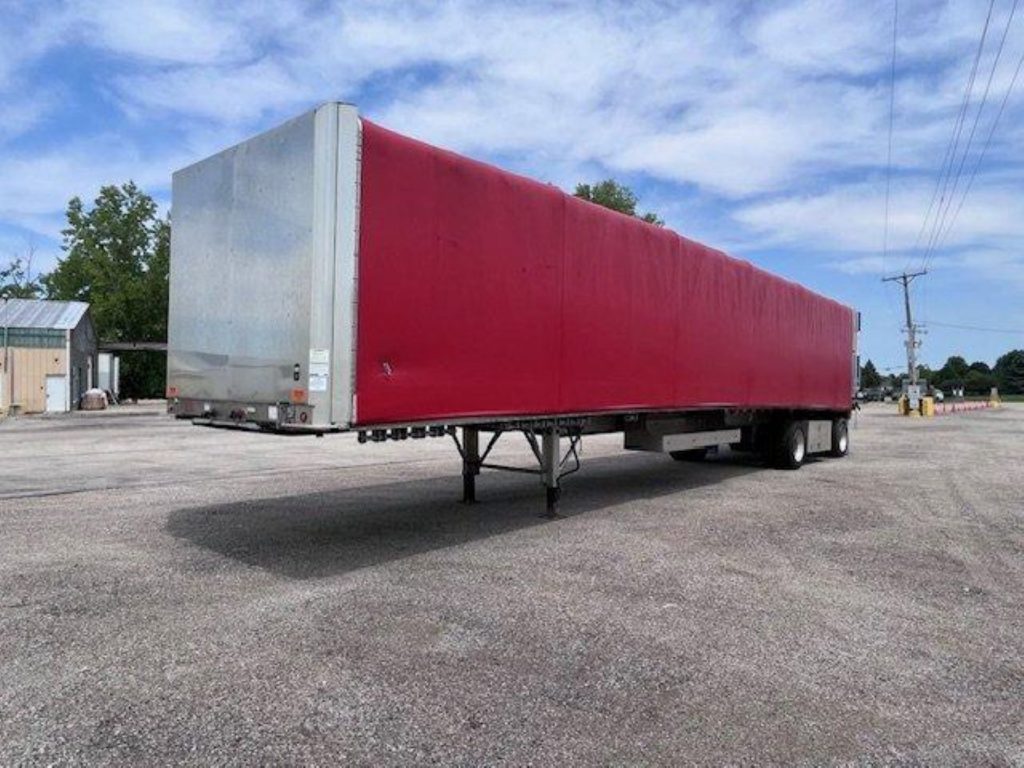
Conestoga trailers are a specialized type of flatbed trailer equipped with a rolling tarp system that provides full weather protection while maintaining the loading flexibility of a flatbed. The tarp system slides along a track, allowing the trailer to be opened and closed quickly without removing traditional tarps.
These trailers are commonly used for freight that requires protection from weather but still benefits from side or top loading access.
Key Characteristics
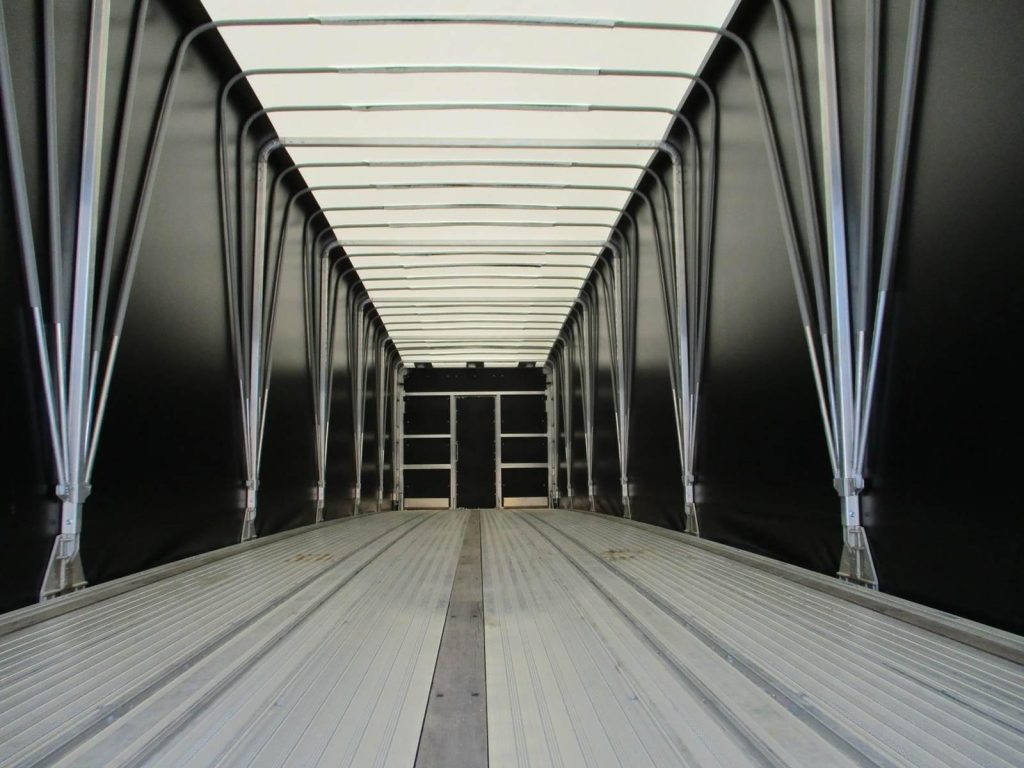
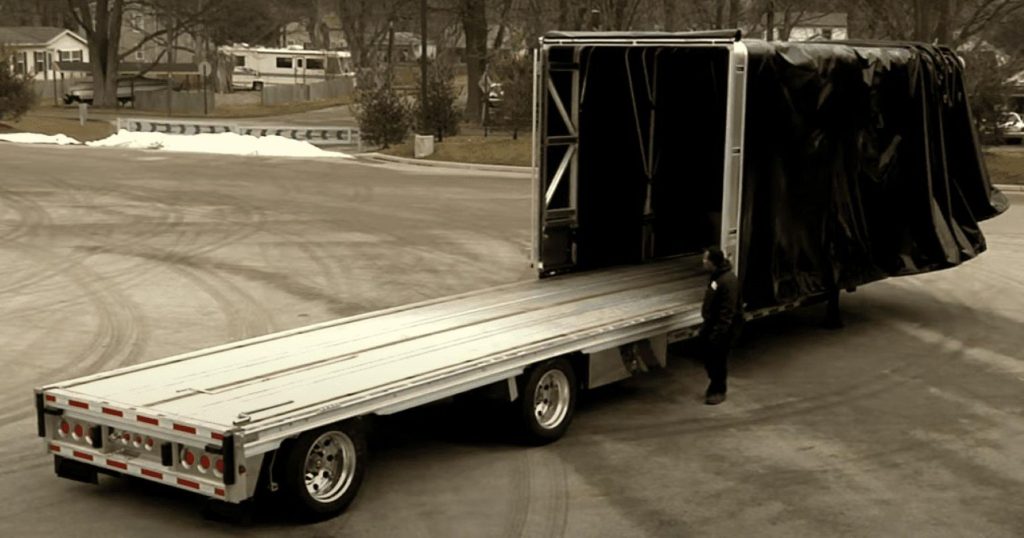
Conestoga trailers feature a sliding tarp system mounted on a frame that runs the length of the trailer. This system allows the entire side and top of the trailer to open, enabling forklift or crane loading without the need for manual tarping.
The structure maintains flatbed versatility while reducing loading time and improving cargo protection.
Common Specifications
Length Options
Most Conestoga trailers are 48 or 53 feet in length.
Tarp System
The sliding tarp system is mounted on rollers and tracks, allowing it to open and close along the trailer length.
Frame Design
Includes a support frame that maintains tarp shape and structure during transit.
Deck Type
Standard flatbed deck compatible with various freight types.
Load Access
Full side, rear, and top access when tarp is open.
Types of Conestoga Trailers
- Standard Conestoga flatbed trailers
- Double drop Conestoga trailers
- Heavy-duty Conestoga systems
- Lightweight aluminum frame models
Common Uses
Conestoga trailers are used when freight requires both protection and flexible loading access.
• Palletized freight
• Building materials
• Machinery and equipment
• Steel and fabricated materials
• Weather-sensitive loads
Advantages
Conestoga trailers provide the benefits of both flatbed and enclosed trailers.
• Full weather protection
• Faster loading and unloading
• No manual tarping required
• Flexible access for forklifts and cranes
• Reduced labor and time
Limitations or Drawbacks
Conestoga trailers come with added complexity and cost compared to standard flatbeds.
• Higher purchase cost
• Additional maintenance for tarp system
• Slightly reduced payload capacity
• Not ideal for oversized loads requiring full open deck
Driver and Operator Considerations
Drivers must understand how to properly operate the sliding tarp system and ensure it is securely closed before transport. Proper loading techniques are important to avoid damaging the tarp structure.
Maintenance and Ownership Notes
Maintenance includes inspection of rollers, tracks, tarp material, and support frame. Regular cleaning and lubrication of the system are required to ensure smooth operation.
Buying Considerations
Buyers should evaluate the quality of the tarp system, frame durability, ease of operation, and intended freight type. Long-term maintenance and repair costs should also be considered.
Common Brands or Manufacturers
- Dorsey Trailer
- Benson Trailers
- Fontaine Trailer
- Reitnouer Trailers
Variants and Related Configurations
Conestoga trailers can be configured based on load type and structural requirements.
• Standard flatbed Conestoga
• Step deck Conestoga
• Heavy haul Conestoga systems
• Lightweight high-volume configurations
Comparison to Similar Trailers
Conestoga trailers differ from dry vans by offering open loading access while still providing protection. Compared to standard flatbeds, they eliminate the need for manual tarping while maintaining flexibility.
Best Fit For
Conestoga trailers are best suited for freight that requires protection without sacrificing loading flexibility.
• Weather-sensitive freight
• High-frequency loading operations
• Construction materials
• Industrial shipments
• Palletized goods
Regulatory and Compliance Notes
Conestoga trailers must comply with standard weight and securement regulations. Operators must ensure tarp systems are properly secured during transit.
Real World Operating Notes
In real-world operations, Conestoga trailers are valued for reducing labor and increasing efficiency. They are commonly used in operations where speed and protection are both critical.
Conestoga Trailer Models on Truck Equipment Atlas
Truck Equipment Atlas includes a growing collection of Conestoga trailer profiles covering equipment that combines open-deck loading flexibility with a retractable tarp system designed to protect freight from weather and road conditions.
Explore the Conestoga trailer models currently available on Truck Equipment Atlas:
- Benson Conestoga Trailer
- Fontaine Velocity Conestoga
- Reitnouer MaxMiser Conestoga Trailer
- Wilson Conestoga Trailer
Additional Conestoga trailer manufacturers, models, and configurations will be added as the Truck Equipment Atlas trailer library continues to expand.
Freight & Industry Sectors
• Flatbed Freight
• Dry Van Freight
• Specialty & Niche Freight
Related Truck Types
• Sleeper Trucks
• Day Cab Trucks
• Heavy Haul Trucks
Related Equipment
• Suspension Systems
• Brake Systems
• Axles & Differentials
• Tires & Wheels
• Safety Systems
Related Trailer Types
- Log Trailers
- Dry Van Trailers
- Refrigerated Trailers
- Flatbed Trailers
- Step Deck (Drop Deck) Trailers
- Lowboy / RGN Trailers
- Tanker Trailers
- Hopper / Bulk Trailers
- Car Hauler Trailers
- Chassis Trailers
- Specialty Trailers
- Dump Trailers
Related Guides
- Flatbed vs Step Deck vs Double Drop
- Choosing the Right Trailer for Your Freight
- Complete Guide to Trailer Types
Frequently Asked Questions
What is a Conestoga trailer?
A Conestoga trailer is a flatbed trailer with a sliding tarp system for weather protection.
Do Conestoga trailers replace tarping?
Yes, they eliminate the need for manual tarping.
Are they fully enclosed?
No, they are not sealed like dry vans but provide strong weather protection.
Availability and Where to Find
Conestoga trailers are available through major trailer manufacturers and specialized dealers.
Support Trucking Families
Truck Equipment Atlas supports the mission of Grey Cross, a nonprofit dedicated to helping families of truck drivers who lose their lives while on the road. As the site grows, part of its mission is to bring awareness and support to these families.
Podcast or Video Section
Learn More Through Audio and Video
Truck Equipment Atlas will continue expanding with podcast episodes, interviews, and equipment breakdowns to help drivers and fleets better understand trucks and equipment.
Follow the Growth of Truck Equipment Atlas
Truck Equipment Atlas continues to expand with new truck profiles, trailer coverage, diesel engine pages, equipment system resources, manufacturer information, freight-sector content, and educational guides.
Visit our Site Updates page to follow major milestones, newly published resources, and future projects as we continue building one of the industry’s growing commercial trucking equipment reference libraries.
From commercial trucks and specialized trailers to diesel engines, equipment systems, and future Truck Stop Atlas resources, new content is being added regularly to help drivers, owner-operators, fleets, technicians, students, and industry professionals better understand the equipment that keeps freight moving.