
Liquid & Tanker Freight
Overview
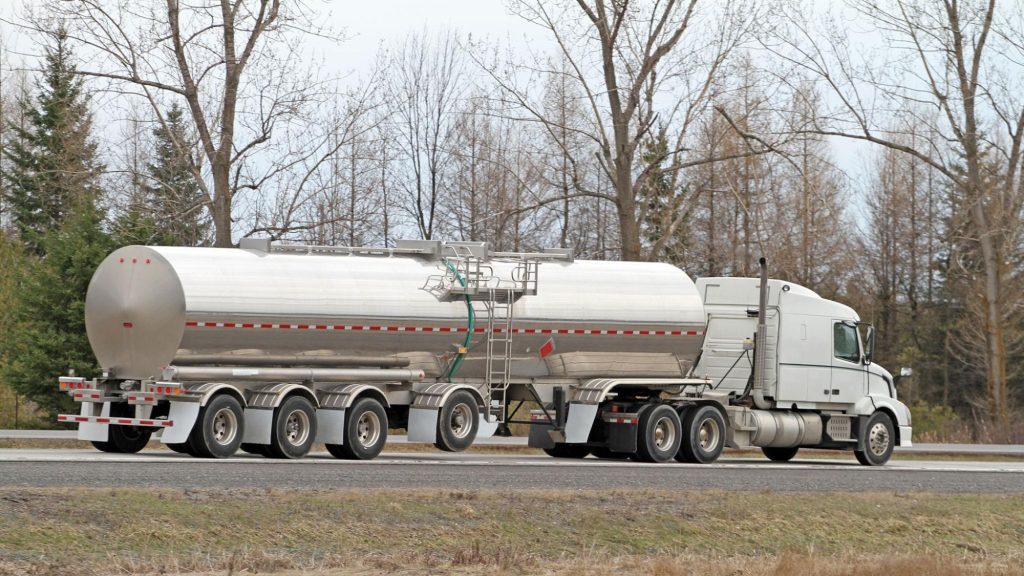
Liquid and tanker freight involves transporting liquids and gases using specialized tanker trailers. This type of freight is critical for industries such as fuel distribution, chemical transport, and food-grade delivery.
Tanker freight requires careful handling due to the movement of liquid inside the trailer, making it one of the more safety-focused segments in trucking.
Key Characteristics
Tanker freight is defined by liquid transport and safety requirements.
• Transports liquid or gaseous materials
• Uses sealed tanker trailers
• Requires careful driving due to liquid surge
• Often involves hazardous or regulated materials
• Requires specialized training and endorsements
Common Configurations
Tanker operations vary based on the type of liquid being transported.
• Fuel tankers (gasoline, diesel)
• Chemical tankers
• Food-grade tankers (milk, liquids)
• Pressurized tankers (gases)
• Multi-compartment tanker setups
Common Freight Types
Tanker trailers carry a wide range of liquid materials.
• Fuel (gasoline, diesel)
• Chemicals and industrial liquids
• Food-grade liquids (milk, juice, oils)
• Water and wastewater
• Gases (in pressurized systems)
Operational Use
Tanker trailers are used across:
- Long haul tanker operations
- Regional tanker operations
- Dedicated tanker operations
Advantages
Tanker freight offers strong earning potential and specialization.
• Higher pay compared to general freight
• Less competition
• Strong demand across multiple industries
• Specialized and essential service
• Opportunities for dedicated routes
Limitations
Tanker freight requires higher responsibility and safety awareness.
• Requires endorsements (Tanker / Hazmat)
• Increased safety risks due to liquid movement
• Strict regulatory requirements
• Higher liability
• Specialized equipment costs
Driver and Operator Considerations
Drivers must understand liquid surge and how it affects braking and handling. Proper driving techniques are essential to maintain control and safety, especially when hauling hazardous materials.
Equipment Requirements
Tanker freight requires specialized trailers and safety systems.
• Tanker trailer (varies by cargo type)
• Safety and containment systems
• Proper fittings and valves
• Standard tractor (day cab or sleeper)
Typical Operations
Tanker freight operates across multiple essential industries.
• Fuel distribution routes
• Chemical plants and industrial facilities
• Food processing and delivery systems
• Regional and local delivery routes
• Specialized hazardous material routes
Earning Potential and Market
Tanker freight is a high-value segment of the trucking industry.
• Higher rates due to specialization
• Consistent demand across industries
• Opportunities for dedicated contracts
• Strong need for qualified drivers
Related Truck Types
• Sleeper Trucks
• Day Cab Trucks
• Dump Trucks
• Box Trucks
• Vocational Trucks
• Heavy Haul Trucks
Related Freight Types
• Dry Van Freight
• Refrigerated (Reefer) Freight
• Flatbed Freight
• Heavy Haul / Oversized Freight
• Bulk & Pneumatic Freight
• Automotive Transport Freight
• Construction & Aggregate Freight
• Intermodal & Container Freight
• Logging & Forestry Freight
• Specialty & Niche Freight
Related Trailer Types
- Specialty Trailers
- Dry Van Trailers
- Refrigerated (Reefer) Trailers
- Flatbed Trailers
- Step Deck (Drop Deck) Trailers
- Lowboy / RGN Trailers
- Tanker Trailers
- Hopper / Bulk Trailers
- Dump Trailers
- Car Hauler Trailers
- Conestoga Trailers
- Chassis Trailers
- Log Trailers
Related Equipment
• Engines
• Transmissions
• Brake Systems
• Suspension Systems
• Safety Systems
How to Use This Section
This page provides a clear overview of tanker freight and how it operates within the trucking industry. It helps users understand whether this type of freight fits their experience level, equipment, and safety requirements.
What You’ll Find on Tanker Pages
Future pages will expand into deeper details of tanker operations.
• Hazmat and tanker endorsements
• Fuel vs chemical hauling
• Safety procedures
• Tanker driving techniques
Tanker Freight Expansion
This section will expand with more detailed pages focused on liquid transport.
Planned pages include:
• Tanker Endorsement Guide
• Hazmat Requirements
• Liquid Surge Explained
• Fuel Hauling vs Chemical Hauling
Trucking Equipment Guides
Looking to learn more about commercial trucking equipment? Visit our Trucking Equipment Guides section for educational resources covering truck types, trailer configurations, diesel engines, equipment systems, freight operations, maintenance considerations, and equipment buying advice.
Explore Our Trucking Equipment Guides
Stay Connected
As more freight-specific content is added, this section will continue to grow into a complete resource for understanding tanker operations.