
Long Haul Refrigerated Freight
Overview
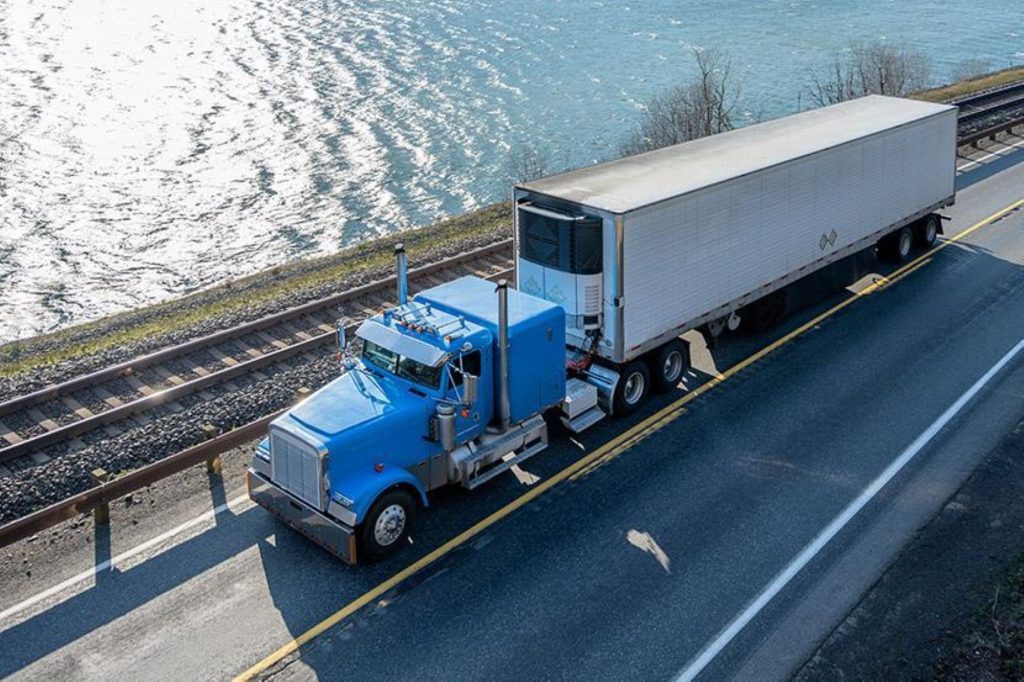
Long haul refrigerated freight refers to the transportation of temperature-sensitive goods over extended distances, typically exceeding 500 miles per trip. These shipments require specialized refrigerated trailers, commonly known as reefers, which maintain controlled temperature conditions throughout transit.
This type of freight is critical for industries such as food distribution, pharmaceuticals, and perishable goods, where maintaining product integrity is essential. Long haul reefer operations require careful planning, continuous temperature monitoring, and strict adherence to delivery timelines.
Key Characteristics
Often involves cross-country or multi-state routes
- Trips typically exceed 500 miles
- Requires temperature-controlled trailers (reefers)
- Continuous monitoring of internal trailer temperature
- High time sensitivity due to perishable cargo
- Strict delivery windows and scheduling requirements
Common Freight Types
- Fresh produce
- Frozen foods
- Dairy products
- Meat and seafood
- Pharmaceuticals
- Temperature-sensitive chemicals
- Beverages
Advantages
- Essential for maintaining product quality and safety
- Enables long-distance transport of perishable goods
- Supports nationwide food and medical supply chains
- High demand across multiple industries
- Allows controlled environments regardless of external conditions
Limitations and Considerations
- Limited flexibility due to delivery time constraints
- Higher operating costs due to refrigeration units
- Requires constant monitoring and maintenance
- Risk of cargo loss if temperature control fails
- Strict regulatory and safety requirements
Equipment Commonly Used
Trailers
Trucks
Systems and Equipment
- Refrigeration Units
- Telematics & ELD Systems
- Engines
- Transmissions
- Tires and Wheels
- Brake Systems
- Safety Systems
Driver and Operational Considerations
- Communication with dispatch and receivers is essential
- Drivers must monitor temperature settings throughout the trip
- Pre-trip inspections include refrigeration system checks
- Delivery timing is critical to prevent spoilage
- Fuel management includes both truck and reefer unit
Industry and Freight Sectors
- Food and grocery distribution
- Pharmaceutical and healthcare supply chains
- Agriculture and produce transport
- Beverage distribution
- Cold storage logistics
Related Refrigerated Freight Types
Related Freight Types
- Dry Van Freight
- Flatbed Freight
- Refrigerated (Reefer) Freight
- Bulk and Pneumatic Freight
- Liquid and Tanker Freight
- Intermodal and Container Freight
- Construction and Aggregate Freight
- Logging and Forestry Freight
- Heavy Haul Freight
- Specialty and Niche Freight
FAQ
What is refrigerated freight?
Refrigerated freight involves transporting temperature-sensitive goods using climate-controlled trailers.
What temperature ranges do reefer trailers maintain?
Reefer trailers can maintain a wide range of temperatures, from frozen to chilled conditions depending on the cargo.
Is reefer freight more demanding than dry van?
Yes, it requires temperature monitoring, stricter schedules, and higher operational attention.
Availability and Market Demand
Refrigerated freight is consistently in high demand due to the need for transporting perishable goods across long distances. Growth in food distribution and pharmaceutical logistics continues to drive expansion in this sector.
Trucking Equipment Guides
Looking to learn more about commercial trucking equipment? Visit our Trucking Equipment Guides section for educational resources covering truck types, trailer configurations, diesel engines, equipment systems, freight operations, maintenance considerations, and equipment buying advice.
Explore Our Trucking Equipment Guides
Support Trucking Families
Reefer drivers play a critical role in delivering essential goods safely and on time. Organizations like Grey Cross provide support to trucking families during times of need.