
Flatbed Trailers
Quick Facts
- Common Type: Open Deck Trailer
- Typical Length: 48 ft – 53 ft
- Cargo Type: Oversized, Irregular, and Non-Palletized Freight
- Primary Use: Construction, Industrial, and Equipment Transport
- Deck Type: Open Platform (No Sides or Roof)
- Loading Method: Forklift, Crane, or Side Loading
Overview
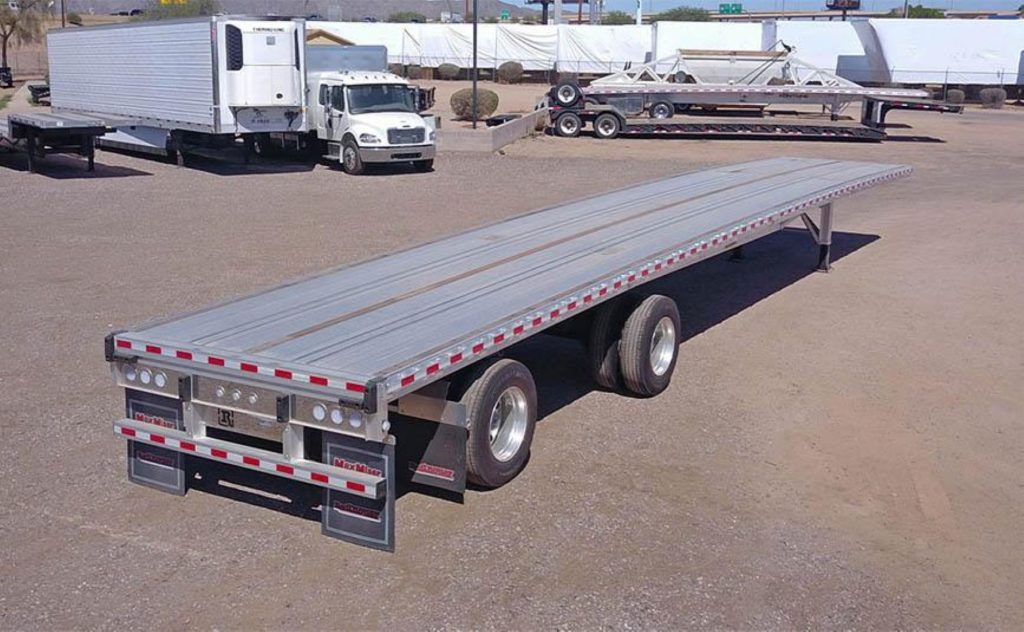
Flatbed trailers are one of the most versatile trailer types in the trucking industry, designed for transporting freight that cannot be easily loaded into enclosed trailers. With an open deck and no sides or roof, flatbeds allow for loading from the sides, rear, or top, making them ideal for oversized or irregularly shaped cargo.
They are widely used in construction, manufacturing, and industrial sectors where flexibility in loading and unloading is required.
Key Characteristics
Flatbed trailers are defined by their open platform design, allowing unrestricted access to the cargo area from all sides. This makes them highly adaptable for freight that requires crane loading, side loading, or oversized transport.
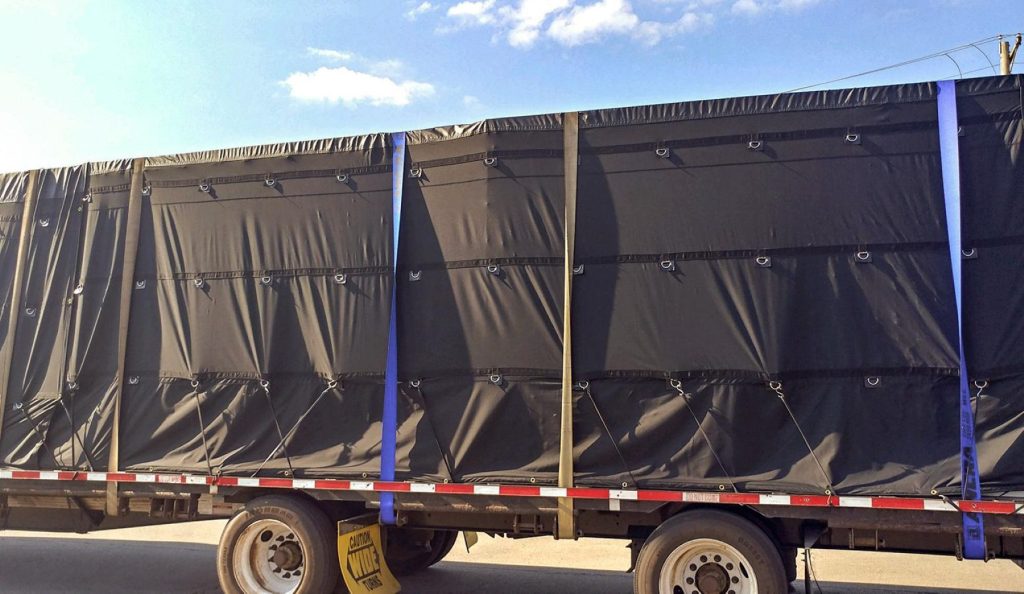
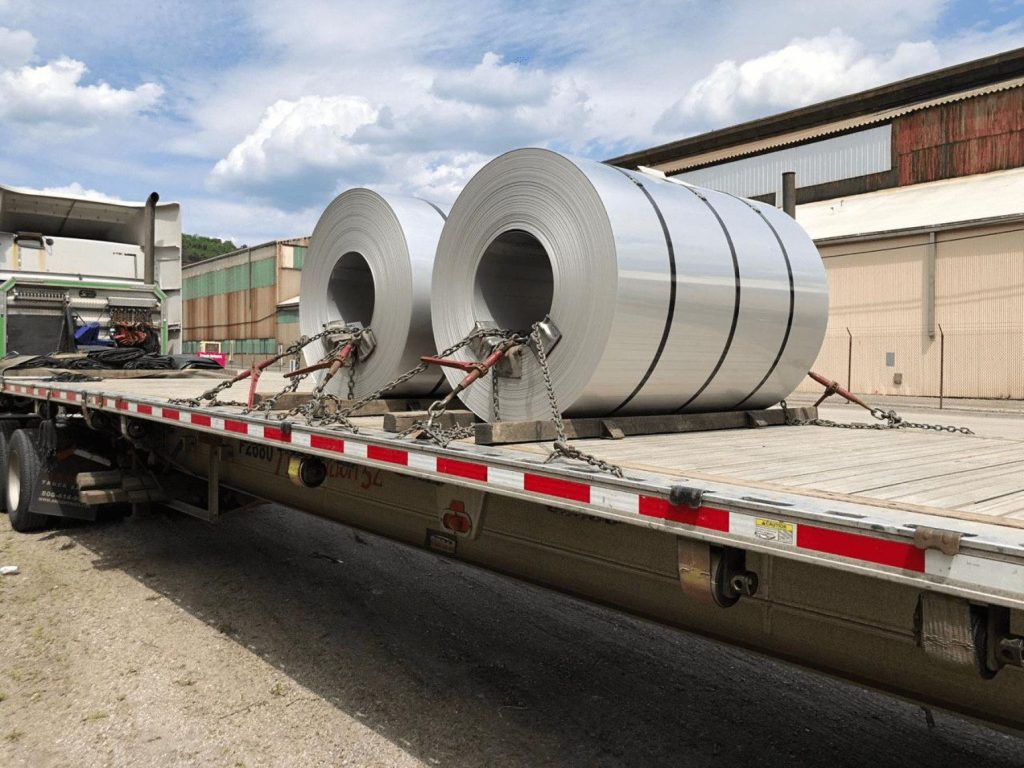
The absence of walls or a roof requires cargo to be properly secured using straps, chains, and tarps, making load securement a critical component of flatbed operations.
Common Specifications
Length Options
Flatbed trailers are typically available in 48-foot and 53-foot lengths, with 48-foot configurations being common in certain regional or weight-restricted applications.
Width and Deck Space
Standard width is 102 inches, providing ample space for palletized or oversized freight that extends beyond standard dimensions.
Deck Height
Flatbeds generally have a lower deck height than enclosed trailers, allowing for taller cargo while remaining within legal height limits.
Axle Configurations
Most flatbed trailers use tandem axle setups, with spread axle options available for improved weight distribution.
Flooring Types
Decking is commonly made from wood or composite materials designed to withstand heavy equipment and repeated loading.
Common Flatbed Trailer Types
Flatbed freight is moved using several specialized trailer configurations, each designed for specific load requirements:
- Standard Flatbed Trailers
- Step Deck Trailers
- Lowboy / RGN Trailers
Common Uses
Flatbed trailers are used for transporting freight that requires flexible loading options and cannot be confined within enclosed trailers.
• Construction materials such as lumber and steel
• Heavy equipment and machinery
• Oversized or irregular freight
• Building supplies and industrial materials
• Large containers and fabricated components
Operational Use
Advantages
Flatbed trailers offer maximum flexibility for loading and transporting a wide range of freight types.
• Easy loading from sides, rear, or top
• Capable of hauling oversized cargo
• Versatile across multiple industries
• No height restrictions from trailer roof
• Simplified loading with cranes or forkliftsfrigerated trailers provide critical capabilities for transporting temperature-sensitive freight, ensuring product integrity across long distances and varying environmental conditions.
Limitations or Drawbacks
Flatbed trailers expose cargo to external conditions and require additional effort to properly secure and protect loads.
- Cargo is exposed to weather and road conditions
- Requires tarping and securement knowledge
- Increased risk of load damage if not properly secured
- More labor-intensive loading and unloading
Driver and Operator Considerations
Flatbed operation requires a higher level of involvement from drivers, particularly in load securement and tarping. Drivers must be trained in proper securement techniques and be prepared for additional physical work compared to enclosed trailer operations.
Maintenance and Ownership Notes
Flatbed trailers require regular inspection of decking, securement points, and structural components. Wear and tear from heavy loads and exposure to the elements make preventative maintenance important to ensure long-term durability.
Buying Considerations
When selecting a flatbed trailer, buyers should consider deck material, weight capacity, axle configuration, and intended freight type. Durability, ease of maintenance, and long-term reliability are key factors.
Common Brands or Manufacturers
- Fontaine Trailer Company
- Great Dane Trailers
- Utility Trailer Manufacturing
- Transcraft
Variants and Related Configurations
Flatbed trailers can be configured in several ways to support different types of freight and operational requirements.
• Extendable flatbeds for oversized loads
• Aluminum flatbeds for reduced weight
• Heavy-duty configurations for machinery transport
• Specialized decks for unique cargo
Comparison to Similar Trailers
Flatbed trailers differ from enclosed trailers like dry vans and refrigerated trailers by offering open access to the cargo area. Compared to step decks and lowboys, flatbeds are better suited for standard height freight but offer less capability for extremely tall or heavy loads.
Best Fit For
Flatbed trailers are best suited for operations requiring flexibility in loading and the ability to transport oversized or irregular freight.
- Construction and building materials
- Industrial equipment transport
- Oversized freight hauling
- Machinery and heavy equipment
- Steel and lumber transport
Regulatory and Compliance Notes
Flatbed trailers must comply with federal and state weight and size regulations. Load securement is heavily regulated, requiring proper use of chains, straps, and tie-downs in accordance with DOT standards.
Real World Operating Notes
Flatbed operations often involve more physical work and planning compared to enclosed trailers. Drivers must manage securement, tarping, and route considerations for oversized loads, making experience and attention to detail essential.
PoFlatbed Trailer Models on Truck Equipment Atlas
Truck Equipment Atlas includes a growing collection of flatbed trailer profiles covering equipment designed for construction materials, machinery, steel, lumber, building products, and other freight that benefits from open-deck loading and unloading.
Explore the flatbed trailer models currently available on Truck Equipment Atlas:
- Benson Aluminum Flatbed
- Fontaine Revolution Flatbed
- MAC Aluminum Flatbed
- Reitnouer MaxMiser Flatbed
- Transcraft Eagle II Flatbed
- Wilson Flatbed
Additional flatbed trailer manufacturers and models will be added as the Truck Equipment Atlas trailer library continues to expand.pular Trailer Models
Freight & Industry Sectors
• Flatbed Freight
• Heavy Haul / Oversized Freight
• Construction & Aggregate Freight
• Specialty & Niche Freight
Related Truck Types
• Sleeper Trucks
• Day Cab Trucks
• Heavy Haul Trucks
Related Equipment
• Suspension Systems
• Brake Systems
• Axles & Differentials
• Tires & Wheels
• Safety Systems
Related Trailer Types
- Dump Trailers
- Dry Van Trailers
- Refrigerated Trailers
- Step Deck (Drop Deck) Trailers
- Lowboy / RGN Trailers
- Conestoga Trailers
- Tanker Trailers
- Hopper / Bulk Trailers
- Car Hauler Trailers
- Chassis Trailers
- Log Trailers
Related Guides
- Flatbed vs Step Deck vs Double Drop
- Choosing the Right Trailer for Your Freight
- Complete Guide to Trailer Types
Frequently Asked Questions
What is a flatbed trailer used for?
Flatbed trailers are used to transport oversized, heavy, or irregular freight that cannot fit inside enclosed trailers.
Do flatbed loads require tarps?
Yes, many loads require tarping to protect against weather and debris.
Are flatbeds harder to operate than dry vans?
Yes, they require additional skills in load securement and often involve more physical labor.
Availability and Where to Find
Flatbed trailers are widely available through manufacturers, dealerships, and used equipment markets, with options ranging from standard to highly specialized configurations.
Support Trucking Families
Truck Equipment Atlas supports the mission of Grey Cross, a nonprofit dedicated to helping families of truck drivers who lose their lives while on the road. As the site grows, part of its mission is to bring awareness and support to these families.
Podcast or Video Section
Learn More Through Audio and Video
Truck Equipment Atlas will continue expanding with podcast episodes, interviews, and equipment breakdowns to help drivers and fleets better understand trucks and equipment.
Newsletter Signup
Stay Up to Date on Truck Equipment
Get updates as Truck Equipment Atlas grows, including new truck pages, equipment guides, and buying insights.
Coming Soon