
Hopper / Bulk Trailers
Quick Facts
- Common Type: Dry Bulk Transport Trailer
- Typical Length: 40 ft – 53 ft
- Cargo Type: Grain, Cement, Sand, Powder Materials
- Primary Use: Bulk Material Transport (Agricultural and Industrial)
- Discharge Type: Gravity (Hopper) or Pneumatic (Air System)
- Tank Design: Hopper Bottom or Cylindrical Bulk Tank
Overview
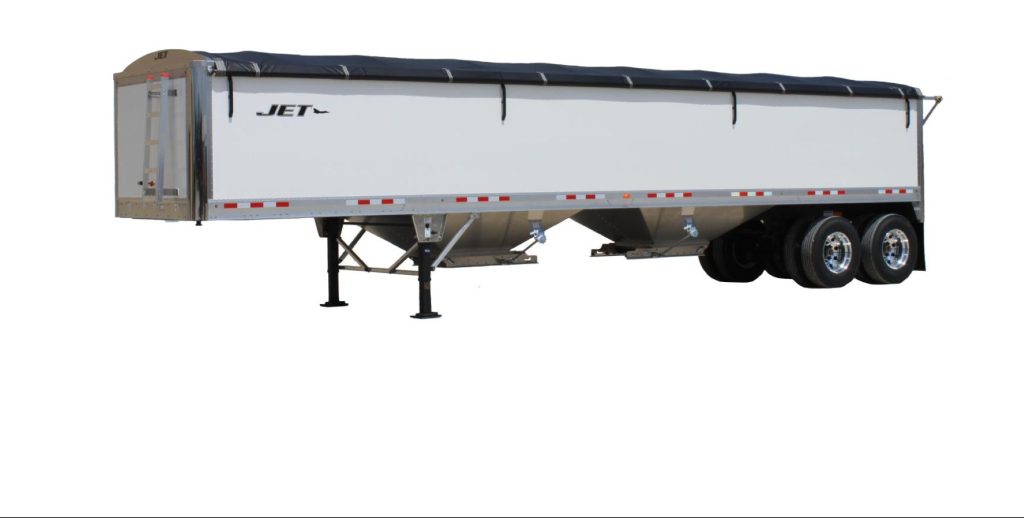
Hopper and bulk trailers are designed to transport dry bulk materials such as grain, cement, sand, and powders. These trailers are built to allow efficient loading and unloading of large quantities of material using either gravity discharge systems or pneumatic unloading systems.
They are widely used in agriculture, construction, and industrial sectors where bulk material transport is essential.
Key Characteristics
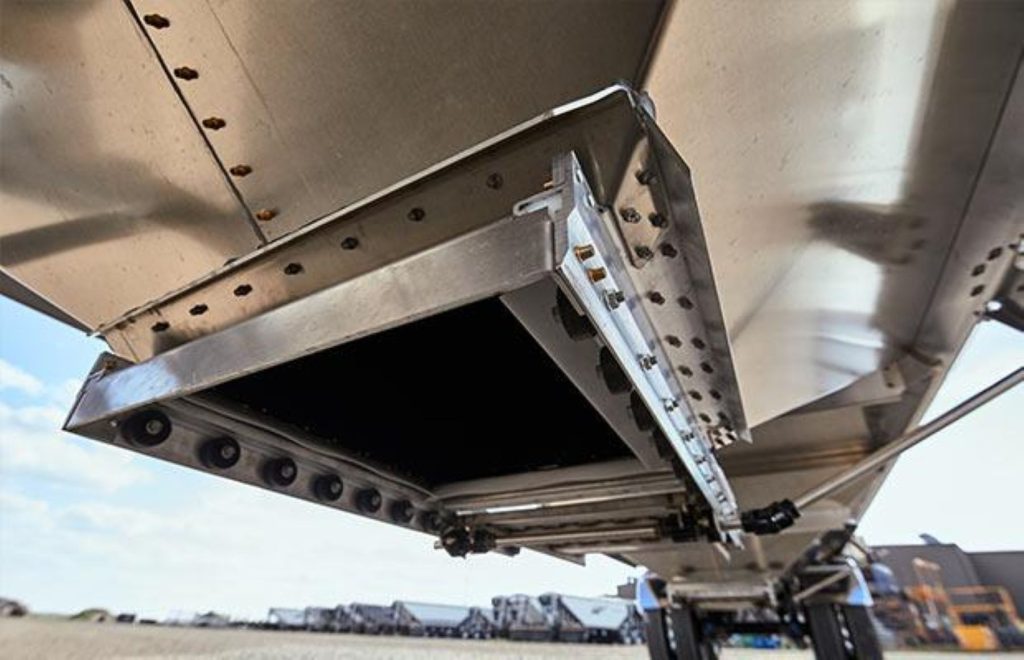
Hopper trailers use sloped compartments that funnel material toward discharge gates located at the bottom of the trailer, allowing gravity to handle unloading. Pneumatic bulk trailers, on the other hand, use pressurized air systems to unload materials such as cement or fine powders into silos or storage systems.
Both designs are optimized for high-capacity transport and efficient unloading depending on the material type.
Common Specifications
Length Options
Hopper and bulk trailers typically range from 40 to 53 feet depending on capacity and application.
Capacity
Capacity is measured in cubic volume and varies depending on material density and trailer design.
Discharge Systems
Trailers use either gravity discharge (hopper bottom) or pneumatic systems that rely on air pressure for unloading.
Construction Materials
Most hopper trailers are made of aluminum for weight savings, while pneumatic trailers often use specialized tank materials.
Compartments
Some hopper trailers include multiple compartments for transporting different materials.
Types of Hopper / Bulk Trailers
- Grain Hopper Trailers
- Bottom Discharge Hopper Trailers
- Pneumatic Dry Bulk Trailers
- Vacuum Bulk Trailers
- End Dump Bulk Trailers
Common Uses
Hopper and bulk trailers are used to transport large quantities of dry materials across agricultural and industrial sectors.
• Grain and agricultural products
• Cement and construction materials
• Sand and aggregates
• Powder materials such as lime or flour
• Industrial bulk materials

Advantages
Hopper and bulk trailers allow efficient transport and unloading of large volumes of material.
• High-capacity bulk transport
• Efficient unloading systems
• Designed for specific material types
• Reduces manual handling
• Supports multiple industries
Limitations or Drawbacks
Hopper and bulk trailers require specialized unloading systems and are limited to specific material types.
• Limited to bulk material transport
• Requires proper unloading equipment
• Cleaning may be required between loads
• Not suitable for general freight
Driver and Operator Considerations
Operating hopper and bulk trailers requires understanding of unloading systems and material flow. Drivers must ensure proper positioning for unloading and monitor systems during discharge.
Maintenance and Ownership Notes
These trailers require inspection of discharge gates, air systems, seals, and structural components. Pneumatic systems require additional maintenance for compressors and hoses.
Buying Considerations
Buyers should consider the type of material being transported, discharge system requirements, capacity, and construction materials. Matching the trailer to the intended application is critical.
Common Brands or Manufacturers
- Wilson Trailer Company
- Timpte Trailers
- MAC Trailer
- Polar Tank Trailer
Variants and Related Configurations
Hopper and bulk trailers can be configured based on material type and unloading requirements.
• Aluminum grain hopper trailers
• Pneumatic bulk trailers for cement and powder
• Multi-compartment hopper trailers
• Vacuum bulk systems
Comparison to Similar Trailers
Hopper trailers differ from dump trailers by using gravity discharge through bottom gates rather than tipping the trailer. Pneumatic bulk trailers differ from liquid tankers by transporting dry materials using air systems.
Best Fit For
Hopper and bulk trailers are best suited for transporting dry bulk materials efficiently.
• Agricultural transport
• Construction material hauling
• Industrial bulk operations
• Powder and fine material transport
• Cement and aggregate hauling
Regulatory and Compliance Notes
These trailers must comply with weight regulations and material handling standards. Certain materials may require additional handling or safety procedures.
Real World Operating Notes
In real-world operations, hopper and bulk trailers provide efficient solutions for high-volume material transport. Proper unloading setup and system operation are key to performance and safety.
Hopper & Bulk Trailer Models on Truck Equipment Atlas
Truck Equipment Atlas includes a growing collection of hopper and bulk trailer profiles covering equipment designed to transport grain, feed, agricultural products, dry bulk materials, and other commodities commonly moved in bulk transportation.
Explore the hopper and bulk trailer models currently available on Truck Equipment Atlas:
Additional hopper, bulk, and specialized dry bulk trailer models will be added as the Truck Equipment Atlas trailer library continues to expand.
Freight & Industry Sectors
• Bulk & Pneumatic Freight
• Construction & Aggregate Freight
• Specialty & Niche Freight
Related Truck Types
• Day Cab Trucks
• Sleeper Trucks
• Vocational Trucks
Related Equipment
• Suspension Systems
• Axles & Differentials
• Brake Systems
• Tires & Wheels
• Electrical Systems
Related Trailer Types
- Dry Van Trailers
- Refrigerated Trailers
- Flatbed Trailers
- Specialty Trailers
- Step Deck (Drop Deck) Trailers
- Lowboy / RGN Trailers
- Tanker Trailers
- Dump Trailers
- Conestoga Trailers
- Car Hauler Trailers
- Chassis Trailers
- Log Trailers
Related Guides
- Choosing the Right Trailer for Your Freight
- Complete Guide to Trailer Types
- Complete Guide to Freight Types
Frequently Asked Questions
What is a hopper trailer used for?
Hopper trailers are used to transport bulk materials like grain and aggregates.
What is a pneumatic trailer?
A pneumatic trailer uses air pressure to unload dry bulk materials such as cement.
How are hopper trailers unloaded?
They are unloaded through bottom discharge gates using gravity.
Availability and Where to Find
Hopper and bulk trailers are available through manufacturers and dealers specializing in agricultural and industrial equipment.
Support Trucking Families
Truck Equipment Atlas supports the mission of Grey Cross, a nonprofit dedicated to helping families of truck drivers who lose their lives while on the road. As the site grows, part of its mission is to bring awareness and support to these families.
Podcast or Video Section
Learn More Through Audio and Video
Truck Equipment Atlas will continue expanding with podcast episodes, interviews, and equipment breakdowns to help drivers and fleets better understand trucks and equipment.
Follow the Growth of Truck Equipment Atlas
Truck Equipment Atlas continues to expand with new truck profiles, trailer coverage, diesel engine pages, equipment system resources, manufacturer information, freight-sector content, and educational guides.
Visit our Site Updates page to follow major milestones, newly published resources, and future projects as we continue building one of the industry’s growing commercial trucking equipment reference libraries.
From commercial trucks and specialized trailers to diesel engines, equipment systems, and future Truck Stop Atlas resources, new content is being added regularly to help drivers, owner-operators, fleets, technicians, students, and industry professionals better understand the equipment that keeps freight moving.