
Refrigerated Trailers
Quick Facts
- Common Type: Temperature-Controlled Enclosed Trailer
- Typical Length: 28 ft – 53 ft
- Cargo Type: Perishable and Temperature-Sensitive Goods
- Primary Use: Food, Medical, and Cold Chain Transport
- Refrigeration Unit: Front-Mounted Diesel or Electric Unit
- Temperature Range: Frozen to Controlled Ambient
Overview
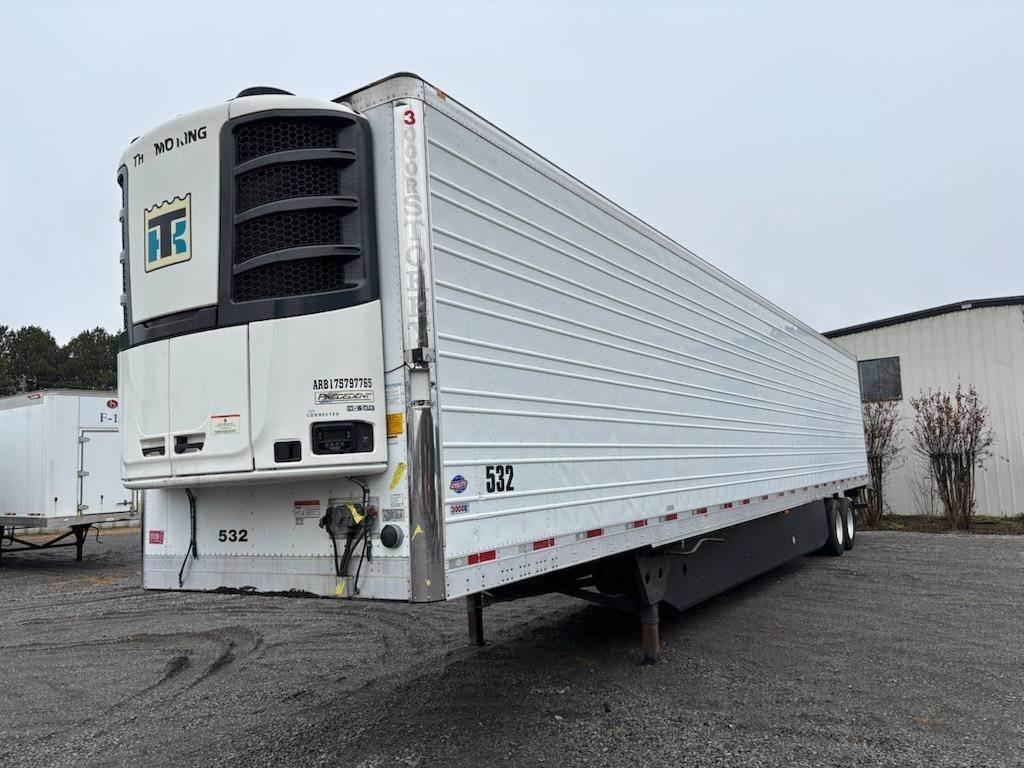
Refrigerated trailers, commonly referred to as reefers, are designed to transport temperature-sensitive freight that must remain within a controlled environment during transit. These trailers are equipped with refrigeration units that maintain specific temperature ranges, allowing for the safe transport of perishable goods.
Reefer trailers play a critical role in industries such as food distribution, pharmaceuticals, and temperature-controlled logistics, where maintaining product integrity is essential from origin to delivery.
Key Characteristics
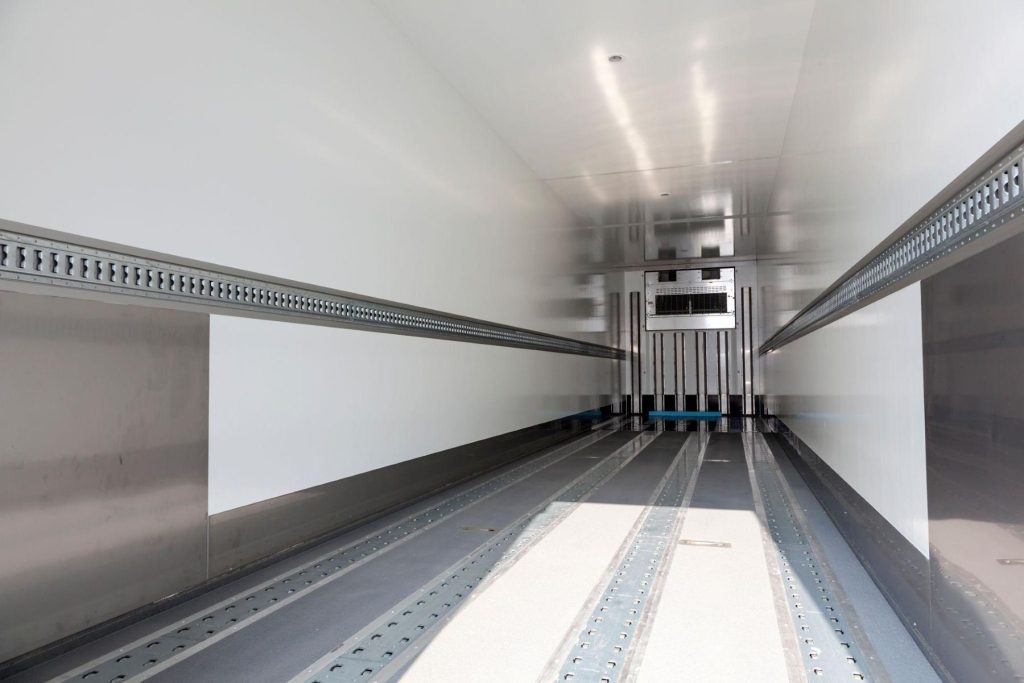
Refrigerated trailers are defined by their ability to maintain controlled internal temperatures throughout transport. They are built with insulated walls, ceilings, and flooring to minimize temperature loss and ensure consistent conditions for sensitive cargo.
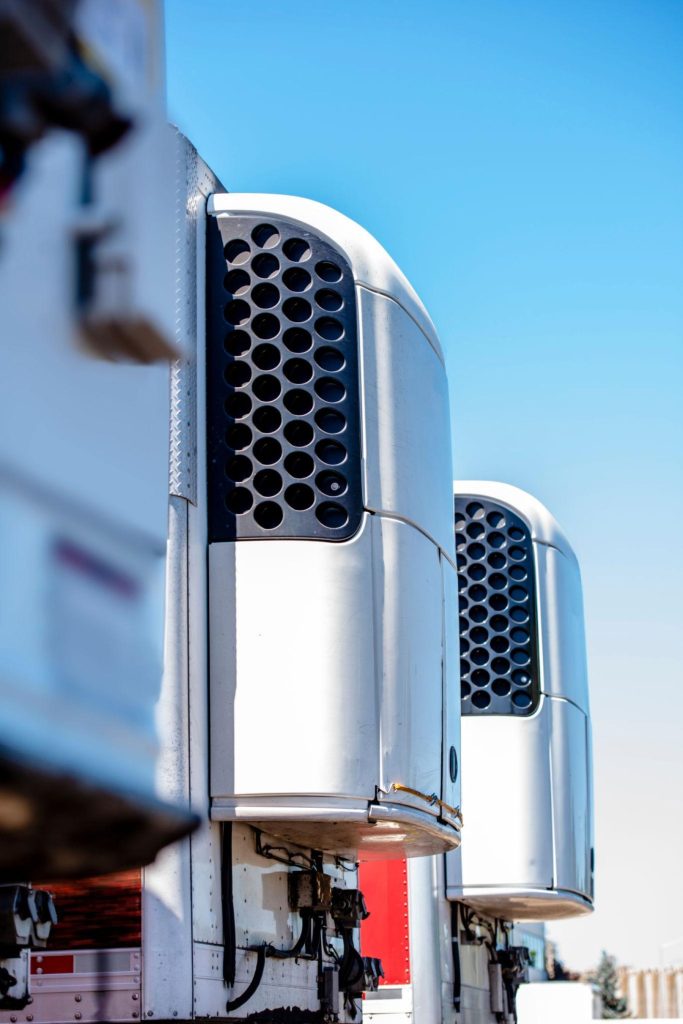
A key feature of reefer trailers is the integrated refrigeration unit, typically mounted at the front of the trailer, which allows for both cooling and heating depending on cargo requirements. These trailers are designed to operate in a wide range of environments while maintaining precise temperature control.
Common Specifications
Length Options
Refrigerated trailers are most commonly available in 53-foot configurations for long-haul freight, with 48-foot options used in regional or specialized operations.
Width and Height
Standard width is 102 inches to accommodate palletized freight. Interior height varies depending on insulation thickness but is designed to maximize usable cubic space.
Refrigeration Unit Types
Reefer trailers are equipped with front-mounted refrigeration units, typically diesel-powered, with some models offering electric standby capability for stationary use.
Temperature Range
Refrigerated trailers can maintain a wide range of temperatures, from deep frozen conditions to controlled ambient environments, depending on cargo requirements.
Axle Configurations
Most refrigerated trailers utilize tandem axle setups, though spread axle configurations are also used for weight distribution and regulatory compliance.
Insulation and Construction
Walls, floors, and ceilings are heavily insulated to maintain internal temperatures and improve efficiency, reducing the workload on the refrigeration unit.
Common Refrigerated Trailer Configurations
Refrigerated trailers are most commonly categorized by size and operational use:
Common Uses
Refrigerated trailers are used for transporting temperature-sensitive freight across multiple industries.
• Food and beverage distribution
• Frozen goods transport
• Pharmaceutical and medical shipments
• Grocery and retail supply chains
• Agricultural products
Operational Use
Advantages
Refrigerated trailers provide critical capabilities for transporting temperature-sensitive freight, ensuring product integrity across long distances and varying environmental conditions.
- Maintains consistent temperature throughout transport
- Protects perishable goods from spoilage
- Supports long-distance transport of sensitive freight
- Operates in a wide range of climates
- Enables cold chain logistics
Limitations or Drawbacks
Refrigerated trailers introduce additional operational complexity and cost compared to standard trailers, requiring more attention to maintenance, fuel management, and system monitoring.
- Higher operating costs due to refrigeration fuel usage
- Increased maintenance requirements
- Reduced payload capacity due to insulation and equipment
- Requires constant monitoring to prevent load loss
Driver and Operator Considerations
Operating refrigerated trailers requires careful attention to temperature settings, fuel levels for the refrigeration unit, and continuous monitoring of cargo conditions. Drivers must ensure proper unit operation throughout the trip, as temperature deviations can result in rejected loads and financial loss.
Understanding refrigeration system controls and responding quickly to alerts is critical in reefer operations.
Maintenance and Ownership Notes
Refrigerated trailers require regular servicing of the refrigeration unit, inspection of insulation and door seals, and consistent monitoring of temperature control systems. Preventative maintenance is critical to avoid costly failures and rejected loads.
Buying Considerations
When selecting a refrigerated trailer, buyers should evaluate insulation quality, refrigeration unit performance, operating costs, and the type of freight being hauled. Long-term reliability and maintenance requirements should also be considered.
Common Brands or Manufacturers
- Utility Trailer Manufacturing
- Great Dane Trailers
- Wabash National
- Hyundai Translead
Variants and Related Configurations
Refrigerated trailers can be configured in several ways depending on operational needs and cargo requirements.
- Multi-zone refrigerated trailers
- Electric standby refrigeration systems
- High-efficiency reefer units
- Lightweight reefer designs
Comparison to Similar Trailers
Refrigerated trailers are often compared to dry van trailers. While both are enclosed, refrigerated trailers provide temperature control, making them essential for perishable freight, whereas dry vans are used for general cargo.
Best Fit For
Refrigerated trailers are best suited for operations that require strict temperature control and consistent environmental conditions.
- Food and beverage transport
- Pharmaceutical logistics
- Grocery and retail distribution
- Agricultural products
- Long-haul cold chain freight
Regulatory and Compliance Notes
Refrigerated trailers must comply with federal and state weight regulations, as well as food safety and transportation standards. Temperature documentation and proper handling procedures are often required for compliance.
Real World Operating Notes
In real-world use, refrigerated trailers require constant monitoring and attention to detail. Fuel management, temperature consistency, and equipment reliability all play a critical role in successful operation.
Popular Trailer Models
Refrigerated Trailer Models on Truck Equipment Atlas
Truck Equipment Atlas includes a growing collection of refrigerated trailer profiles covering equipment designed for temperature-controlled freight, food distribution, cold chain transportation, pharmaceuticals, and other temperature-sensitive cargo.
Explore the refrigerated trailer models currently available on Truck Equipment Atlas:
- Great Dane Everest Refrigerated Trailer
- Hyundai Translead Reefer
- Utility 3000R Refrigerated Trailer
- Wabash ArcticLite Refrigerated Trailer
Additional refrigerated trailer manufacturers and models will be added as the Truck Equipment Atlas trailer library continues to expand.
Related Truck Types
• Sleeper Trucks
• Day Cab Trucks
Related Equipment
- Engines
- Transmissions
- Electrical Systems
- Telematics & ELD Systems
- Refrigeration Units
- Safety Systems
Related Trailer Types
- Dry Van Trailers
- Flatbed Trailers
- Step Deck (Drop Deck) Trailers
- Lowboy / RGN Trailers
- Tanker Trailers
- Conestoga Trailers
- Hopper / Bulk Trailers
- Car Hauler Trailers
- Specialty Trailers
- Chassis Trailers
- Log Trailers
- Dump Trailers
Related Guides
- Refrigerated Freight Guide
- Dry Van vs Refrigerated Trailer
- Choosing the Right Trailer for Your Freight
Frequently Asked Questions
What is a refrigerated trailer used for?
Refrigerated trailers are used to transport perishable and temperature-sensitive goods.
Do refrigerated trailers require fuel?
Yes, most refrigeration units operate using diesel fuel.
Can a reefer trailer be used like a dry van?
Yes, but it is less efficient due to higher operating costs.
Availability and Where to Find
Refrigerated trailers are widely available through manufacturers, dealerships, and secondary markets, with both new and used options accessible depending on demand.
Support Trucking Families
Truck Equipment Atlas supports the mission of Grey Cross, a nonprofit dedicated to helping families of truck drivers who lose their lives while on the road. As the site grows, part of its mission is to bring awareness and support to these families.
Podcast or Video Section
Learn More Through Audio and Video
Truck Equipment Atlas will continue expanding with podcast episodes, interviews, and equipment breakdowns to help drivers and fleets better understand trucks and equipment.
Follow the Growth of Truck Equipment Atlas
Truck Equipment Atlas continues to expand with new truck profiles, trailer coverage, diesel engine pages, equipment system resources, manufacturer information, freight-sector content, and educational guides.
Visit our Site Updates page to follow major milestones, newly published resources, and future projects as we continue building one of the industry’s growing commercial trucking equipment reference libraries.
From commercial trucks and specialized trailers to diesel engines, equipment systems, and future Truck Stop Atlas resources, new content is being added regularly to help drivers, owner-operators, fleets, technicians, students, and industry professionals better understand the equipment that keeps freight moving.