
Lowboy / RGN Trailers
Quick Facts
- Common Type: Heavy Haul Low-Profile Trailer
- Typical Length: 24 ft – 30 ft (well), extendable options available
- Cargo Type: Extremely Heavy and Oversized Equipment
- Primary Use: Heavy Equipment and Oversize Load Transport
- Deck Height: Very Low (below standard trailer height)
- Loading Method: Detachable front (RGN) or ramps
Overview
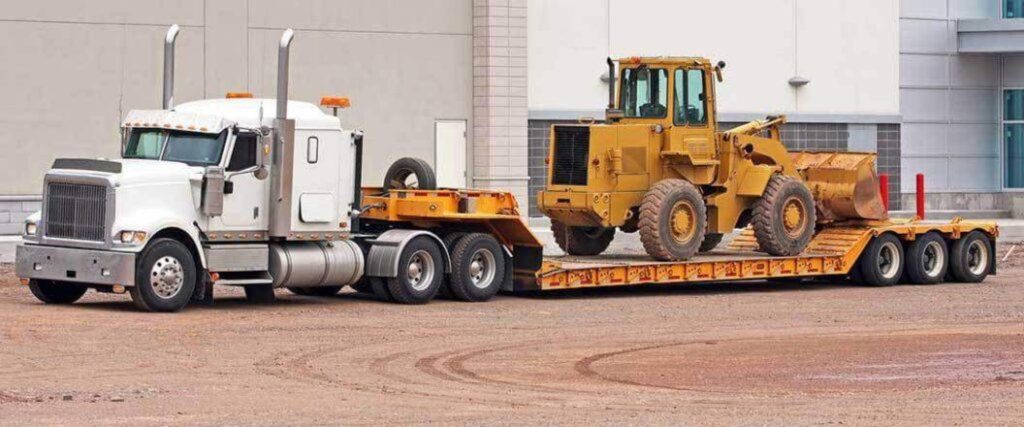
Lowboy trailers, including Removable Gooseneck (RGN) trailers, are designed for transporting extremely heavy and oversized equipment that exceeds the capacity of standard flatbed and step deck trailers. Their low deck height allows for taller loads while maintaining legal height limits.
RGN trailers, a type of lowboy, feature a detachable front section that allows equipment to be driven directly onto the trailer, making them ideal for transporting large machinery.
Key Characteristics
Lowboy and RGN trailers are defined by their extremely low deck height, allowing them to haul tall and heavy equipment that cannot be transported on standard trailers. RGN trailers add the advantage of a detachable front, enabling drive-on loading without the need for ramps.
These trailers are commonly used in heavy haul operations where weight, height, and ease of loading are critical.
Common Specifications
Deck Height
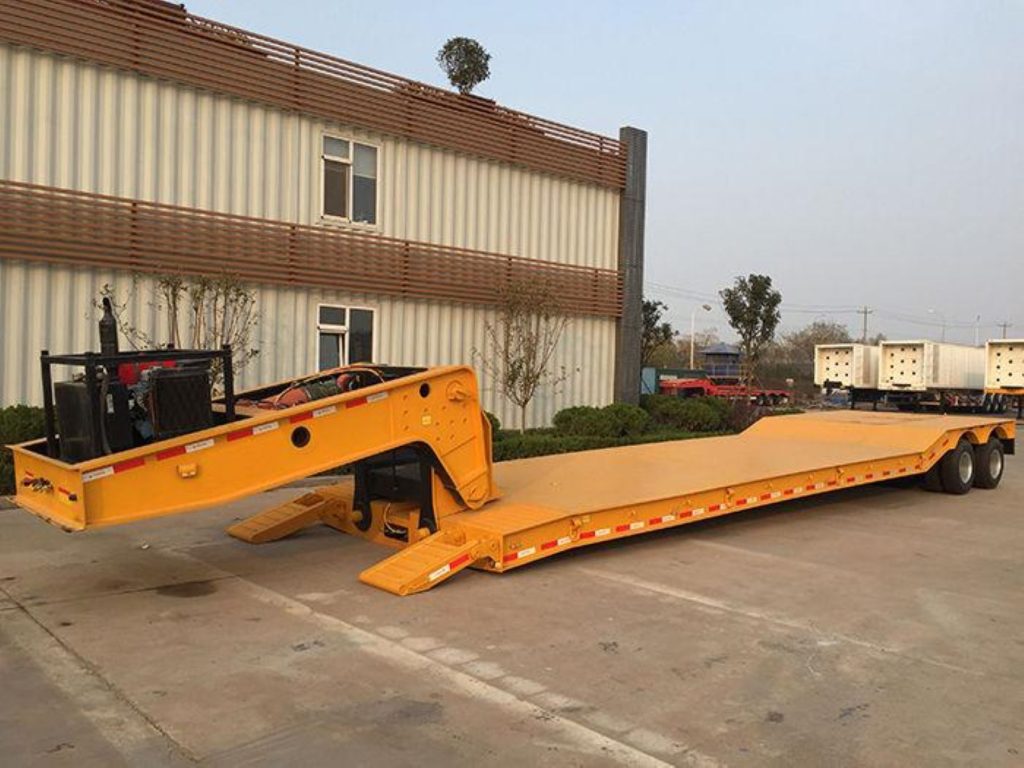
Lowboy trailers have one of the lowest deck heights available, allowing for maximum cargo height while staying within legal limits.
Well Length
The well (main cargo area) typically ranges from 24 to 30 feet, with extendable configurations available for longer loads.
Weight Capacity
Designed for extremely heavy loads, lowboys can handle significantly higher weight capacities compared to flatbeds and step decks.
Axle Configurations
Multiple axle configurations are common, including tri-axle and multi-axle setups for heavy haul applications.
Loading Method
RGN trailers allow front loading by detaching the gooseneck, while standard lowboys may use ramps.
Types of Lowboy / RGN Trailers
- Fixed Neck Lowboy Trailers
- Removable Gooseneck (RGN) Trailers
- Extendable Lowboy Trailers
- Multi-Axle Heavy Haul Lowboys
Common Uses
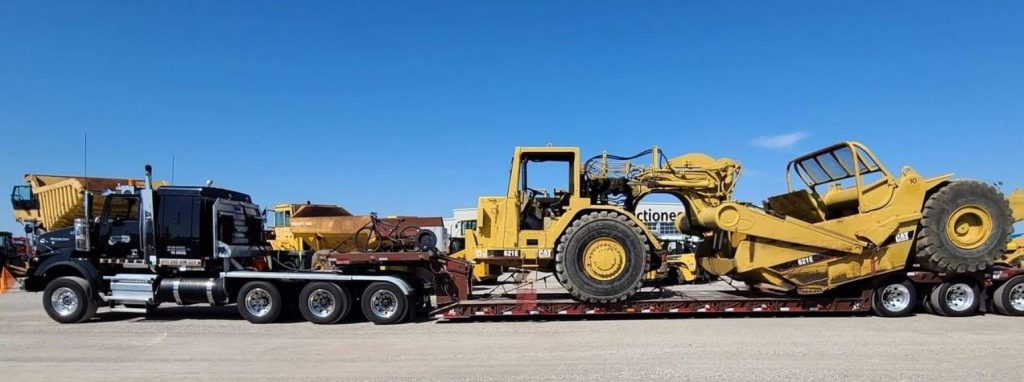
Lowboy and RGN trailers are used for transporting extremely heavy and oversized equipment that cannot be hauled on standard trailers.
• Construction equipment (excavators, bulldozers)
• Industrial machinery
• Large generators and transformers
• Agricultural equipment
• Oversized loads requiring permits
Operational Use
Advantages
Lowboy and RGN trailers provide unmatched capability for hauling extremely heavy and tall equipment.
• Lowest deck height available for maximum clearance
• Handles extremely heavy loads
• RGN allows easy drive-on loading
• Ideal for oversized and specialized freight
• Supports multi-axle configurations for weight distribution
Limitations or Drawbacks
Lowboy and RGN trailers require specialized handling, planning, and often additional permits for operation.
- Requires permits for oversized and overweight loads
- Higher operational and equipment costs
- Limited versatility compared to flatbeds
- Requires experienced drivers for safe operation
Driver and Operator Considerations
Operating lowboy and RGN trailers requires experience in heavy haul transport. Drivers must understand load securement, route planning, permit requirements, and safe loading procedures for large equipment.
Maintenance and Ownership Notes
Lowboy trailers require regular inspection of hydraulic systems (for RGN), axles, structural components, and securement points. Maintenance is critical due to the heavy loads these trailers carry.
Buying Considerations
When selecting a lowboy or RGN trailer, buyers should consider weight capacity, axle configuration, hydraulic systems, and intended equipment types. Reliability and durability are key factors.
Common Brands or Manufacturers
- Trail King
- Talbert Manufacturing
- Fontaine Specialized
- XL Specialized Trailers
Variants and Related Configurations
Lowboy and RGN trailers come in several configurations to handle different heavy haul needs.
- Extendable lowboy trailers
- Multi-axle heavy haul configurations
- Hydraulic detachable gooseneck systems
- Specialized equipment hauling setups
Comparison to Similar Trailers
Lowboy and RGN trailers offer significantly greater load capacity and lower deck height than flatbeds and step decks. They are specifically designed for heavy haul operations where standard trailers are insufficient.
Best Fit For
Lowboy and RGN trailers are best suited for transporting extremely heavy and oversized equipment.
- Heavy construction equipment
- Industrial machinery transport
- Energy and infrastructure projects
- Oversized freight requiring permits
- Specialized heavy haul operations
Regulatory and Compliance Notes
Lowboy and RGN trailers must comply with strict weight and size regulations. Most loads require permits, route planning, and compliance with state and federal heavy haul laws.
Real World Operating Notes
In real-world operations, lowboy and RGN trailers require detailed planning, coordination, and experienced drivers. These trailers are essential for heavy haul operations where precision and safety are critical.
Lowboy & RGN Trailer Models on Truck Equipment Atlas
Truck Equipment Atlas includes a growing collection of lowboy and removable gooseneck trailer profiles covering heavy-haul equipment designed to transport construction machinery, agricultural equipment, industrial loads, and other oversized or heavy freight.
Lowboy Trailer Models
- Fontaine Magnitude Lowboy Trailer
- Rogers Brothers Detachable Lowboy
- Talbert Lowboy Trailer
- Trail King TK Series Lowboy Trailer
RGN Trailer Models
Additional lowboy, RGN, and heavy-haul trailer models will be added as the Truck Equipment Atlas trailer library continues to expand.
Freight & Industry Sectors
• Heavy Haul / Oversized Freight
• Construction & Aggregate Freight
• Specialty & Niche Freight
Related Truck Types
Related Equipment
• Axles & Differentials
• Suspension Systems
• Brake Systems
• Tires & Wheels
• Safety Systems
Related Trailer Types
- Dump Trailers
- Flatbed Trailers
- Step Deck (Drop Deck) Trailers
- Dry Van Trailers
- Refrigerated Trailers
- Specialty Trailers
- Conestoga Trailers
- Tanker Trailers
- Hopper / Bulk Trailers
- Car Hauler Trailers
- Specialty Trailers
- Chassis Trailers
- Log Trailers
Related Guides
- Heavy Haul Freight Guide
- Oversize Load Transportation Guide
- Choosing the Right Trailer for Your Freight
Frequently Asked Questions
What is an RGN trailer?
An RGN (Removable Gooseneck) trailer allows the front to detach so equipment can be driven onto the trailer.
What is a lowboy trailer used for?
Lowboy trailers are used to transport extremely heavy and tall equipment.
Do lowboy loads require permits?
Yes, most heavy haul loads require permits and route planning.
Availability and Where to Find
Lowboy and RGN trailers are available through specialized manufacturers and dealers, with configurations designed for heavy haul applications.
Support Trucking Families
Truck Equipment Atlas supports the mission of Grey Cross, a nonprofit dedicated to helping families of truck drivers who lose their lives while on the road. As the site grows, part of its mission is to bring awareness and support to these families.
Podcast or Video Section
Learn More Through Audio and Video
Truck Equipment Atlas will continue expanding with podcast episodes, interviews, and equipment breakdowns to help drivers and fleets better understand trucks and equipment.
Follow the Growth of Truck Equipment Atlas
Truck Equipment Atlas continues to expand with new truck profiles, trailer coverage, diesel engine pages, equipment system resources, manufacturer information, freight-sector content, and educational guides.
Visit our Site Updates page to follow major milestones, newly published resources, and future projects as we continue building one of the industry’s growing commercial trucking equipment reference libraries.
From commercial trucks and specialized trailers to diesel engines, equipment systems, and future Truck Stop Atlas resources, new content is being added regularly to help drivers, owner-operators, fleets, technicians, students, and industry professionals better understand the equipment that keeps freight moving.