
Tires & Wheels
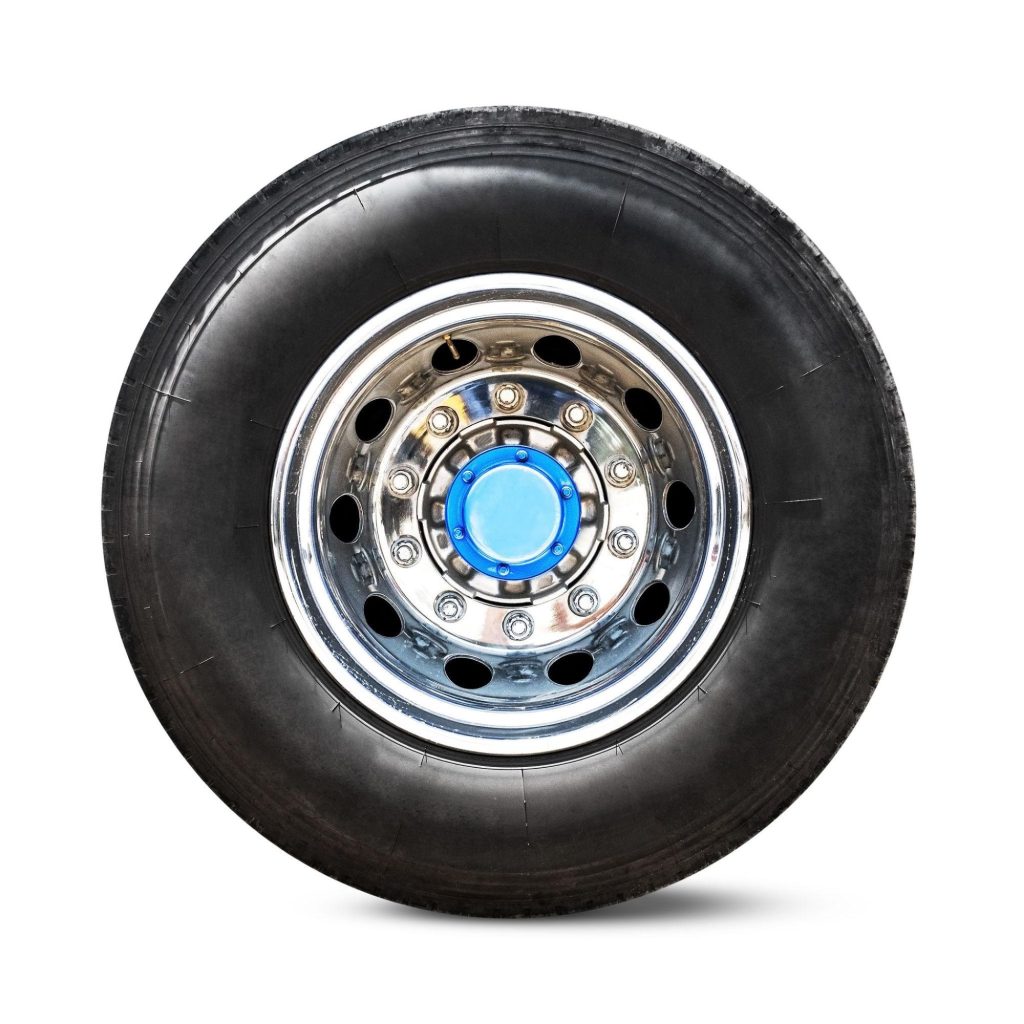
Tires and wheels support the weight of commercial trucks and trailers while providing traction, directional control, braking performance, stability, and contact with the road.
Truck Equipment Atlas covers steer tires, drive tires, trailer tires, all-position tires, vocational and severe-service tires, aluminum wheels, steel wheels, tire-pressure monitoring systems, and automatic tire-inflation systems used throughout highway, regional, vocational, construction, heavy-haul, and specialized commercial operations.
The Tires and Wheels Library includes individual product profiles, tire-position categories, wheel designs, application information, load and speed ratings, maintenance considerations, manufacturer coverage, and educational guides designed to help readers understand these essential commercial-vehicle components.
Explore Commercial Tire and Wheel Categories
Commercial tires and wheels can be classified by vehicle position, tread design, operating environment, load capacity, wheel material, and application. Explore the major tire and wheel categories on Truck Equipment Atlas:
Steer & All-Position Truck Tires
Steer and all-position tires are designed to provide directional control, predictable handling, water evacuation, stable braking, and consistent tread wear. This category covers tires used on steer axles and products approved for multiple wheel positions.
Drive Tires
Drive tires transfer engine torque to the road. This category covers open-shoulder and closed-shoulder drive tires designed for long-haul, regional, vocational, traction, winter, and severe-service applications.
Trailer Tires
Trailer tires support commercial semitrailers and full trailers while resisting irregular wear, side forces, heat, impact damage, and tread scrubbing. This category covers long-haul, regional, urban, wide-base, and specialized trailer tires.
Vocational & Severe-Service Tires
Vocational and severe-service tires are designed for construction, refuse, logging, mining, oilfield, mixed-service, and other demanding applications involving rough surfaces, debris, high scrub, impacts, and off-highway operation.
Commercial Truck Wheels
Commercial truck wheels support the tire and transfer operating forces between the tire, hub, axle, and vehicle. This category covers aluminum wheels, steel wheels, wheel sizes, mounting systems, finishes, weight ratings, and commercial applications.
Tire Pressure Monitoring & Inflation Systems
Tire-pressure monitoring and automatic inflation systems help fleets monitor pressure, identify developing problems, and maintain inflation within an intended operating range. This category covers tractor and trailer TPMS, automatic tire-inflation systems, connected monitoring platforms, sensors, controls, and fleet-management technology.
Tire and Wheel Guides
The Tire and Wheel Guides section provides educational resources covering tire positions, commercial tire sizes, service descriptions, load ratings, speed ratings, wheel construction, inspection, pressure management, tread wear, maintenance, and equipment selection.
Commercial Tires and Wheels on Truck Equipment Atlas
Truck Equipment Atlas includes a growing library of individual tire, wheel, monitoring-system, and inflation-system profiles from manufacturers serving the commercial trucking and trailer industries.
Explore the products and equipment families being added to the library:
Michelin
- Michelin X Line Energy Z Steer Tire
- Michelin X Line Energy D+ Drive Tire
- Michelin X Line Energy T2 Trailer Tire
- Michelin X Works Z2 Tire
Bridgestone
- Bridgestone R213 Ecopia Steer Tire
- Bridgestone M713 Ecopia Drive Tire
- Bridgestone R197 Ecopia Trailer Tire
- Bridgestone M863 Severe-Service Tire
Goodyear
- Goodyear Fuel Max RSA Steer Tire
- Goodyear Fuel Max LHD 2 Drive Tire
- Goodyear Fuel Max LHT Trailer Tire
- Goodyear Armor Max MSD Tire
Continental
- Continental Conti EcoPlus HS3+ Steer Tire
- Continental Conti EcoPlus HD3 Drive Tire
- Continental Conti EcoPlus HT3 Trailer Tire
- Continental Conti HSC 3 Tire
- Continental ContiConnect Live Tire-Monitoring System
Yokohama
Alcoa Wheels
Accuride
Hendrickson
Pressure Systems International
Bendix
Aperia Technologies
Additional steer tires, drive tires, trailer tires, wide-base tires, vocational tires, severe-service tires, aluminum wheels, steel wheels, tire-pressure monitoring systems, and automatic tire-inflation systems will be added as the Truck Equipment Atlas Tires and Wheels Library continues to expand.
Tire and Wheel Guides on Truck Equipment Atlas
Truck Equipment Atlas is also developing educational guides that explain commercial tire positions, sizing, load capacity, wheel materials, inspection, maintenance, pressure management, and equipment selection.
- Commercial Truck Tire Types Explained
- Steer vs Drive vs Trailer Tires
- How to Read Commercial Truck Tire Sizes and Ratings
- How to Inspect and Maintain Commercial Truck Tires
- Aluminum vs Steel Commercial Truck Wheels
Understanding Commercial Tire Positions
Commercial tires are engineered for different wheel positions and operating conditions. Installing the correct tire in the correct position helps support predictable handling, traction, braking, durability, and tread life.
Steer Tires
Steer tires are installed on the vehicle’s steering axle. Their tread designs generally emphasize directional stability, steering response, water evacuation, resistance to irregular shoulder wear, and predictable braking.
Drive Tires
Drive tires are installed on powered axles and transfer engine torque to the road. Their tread patterns may emphasize traction, fuel efficiency, mileage, snow performance, resistance to stone retention, or mixed-service durability.
Trailer Tires
Trailer tires support the trailer and cargo while being exposed to high lateral forces, tandem-axle scrubbing, curb contact, heat, impacts, and long periods of storage. Trailer-tire designs may emphasize low rolling resistance, casing durability, tread wear, and resistance to irregular wear.
All-Position Tires
All-position tires are designed for use in more than one approved wheel position. Their suitability still depends on the manufacturer’s application guidance, tire size, load rating, service environment, and vehicle configuration.
Commercial Tire Sizes and Ratings
A commercial tire’s sidewall markings provide information about its dimensions, construction, load capacity, speed capability, and service application.
Important tire information can include:
- Nominal section width
- Aspect ratio
- Radial construction designation
- Wheel diameter
- Load range
- Single-tire load capacity
- Dual-tire load capacity
- Maximum cold inflation pressure
- Service description
- Speed rating
- Department of Transportation identification
- Manufacturing date code
Tire dimensions alone do not establish compatibility. The tire must also match the wheel, axle rating, inflation requirements, vehicle clearances, operating speed, load, and intended application.
Single, Dual, and Wide-Base Tire Configurations
Commercial trucks and trailers can use single-tire, dual-tire, or wide-base configurations depending on axle design, load requirements, application, wheel equipment, and fleet preferences.
Dual assemblies place two tires at each wheel end and remain common on drive and trailer axles. Correct spacing is necessary to prevent tire contact, trapped debris, heat buildup, and sidewall damage.
Wide-base single tires replace certain dual-tire assemblies with one wider tire and compatible wheel. They may reduce weight and rolling resistance, but fleets must consider wheel offsets, axle loading, replacement availability, roadside service, traction, and the operational consequences of a tire failure.
Aluminum and Steel Commercial Wheels
Aluminum and steel wheels are both widely used in commercial trucking. The correct choice depends on vehicle weight, payload goals, purchase cost, appearance, operating environment, corrosion exposure, maintenance practices, and replacement availability.
Aluminum Wheels
Aluminum wheels are generally lighter than comparable steel wheels and may reduce unsprung weight or increase available payload. They can also provide corrosion resistance and a polished or treated appearance when properly maintained.
Steel Wheels
Steel wheels are commonly selected for their strength, broad availability, repair familiarity, and lower initial purchase cost. Their protective coatings should be inspected because corrosion, mounting damage, and operating conditions can affect service life.
Wheel material does not replace the need to verify wheel size, offset, bolt pattern, mounting system, load rating, tire compatibility, brake clearance, hub compatibility, and fastener requirements.
Tire Pressure and Inflation Management
Proper inflation is essential for load capacity, tread life, fuel efficiency, casing durability, heat control, handling, and braking performance.
The correct cold inflation pressure depends on the tire size, actual load, wheel position, manufacturer load-and-inflation information, vehicle requirements, and intended service.
Tire-pressure monitoring systems can warn drivers or fleet personnel when pressure or temperature moves outside programmed limits. Automatic tire-inflation systems can supply air to supported wheel positions to help compensate for certain pressure losses.
These systems do not eliminate physical inspections. A tire may still require immediate service because of punctures, sidewall damage, tread separation, valve problems, wheel damage, bearing problems, or excessive heat.
Common Commercial Tire and Wheel Configurations
Commercial tire and wheel arrangements vary according to vehicle type, axle position, load, terrain, operating speed, and service application.
Common configurations include:
- Long-haul steer tires
- Regional steer and all-position tires
- Closed-shoulder drive tires
- Open-shoulder drive tires
- Long-haul trailer tires
- Regional and urban trailer tires
- Mixed-service tires
- Construction and severe-service tires
- Winter and traction tires
- Wide-base single tires
- Dual-tire assemblies
- Aluminum wheels
- Steel wheels
- Hub-piloted wheels
- Stud-piloted wheels
- Direct tire-pressure monitoring systems
- Trailer automatic tire-inflation systems
- Connected fleet tire-monitoring platforms
Tire position or wheel material alone does not determine whether equipment is appropriate. Load capacity, inflation pressure, operating speed, axle rating, wheel rating, road surface, temperature, duty cycle, vehicle clearance, and manufacturer requirements must also be considered.
Highway, Regional, and Vocational Applications
Long-haul highway operations often prioritize low rolling resistance, casing value, predictable wear, heat management, and fuel efficiency.
Regional and urban vehicles may experience frequent braking, turning, curb contact, start-and-stop operation, high scrub, and rapidly changing loads. These conditions can require different tread compounds and casing designs than sustained highway operation.
Vocational vehicles may operate on gravel, construction sites, logging roads, refuse routes, mines, quarries, oilfield roads, and other demanding surfaces. Tires used in these applications may emphasize cut resistance, chip resistance, traction, sidewall protection, casing durability, and resistance to stone retention.
Advantages of Modern Tires and Wheels
Modern commercial tire, wheel, and pressure-management technology can provide several operational advantages:
- Improved traction and directional control
- Reduced rolling resistance
- Improved tread life
- Retreadable commercial tire casings
- Application-specific tread designs
- Weight reduction through aluminum wheels
- Severe-service durability
- Pressure-loss warnings
- Automatic inflation support
- Connected fleet monitoring
- Improved maintenance planning
- Support for highway, regional, vocational, and specialized applications
The actual benefits depend on tire selection, wheel compatibility, inflation, load, speed, alignment, operating conditions, inspection, maintenance, and driver practices.
Tire and Wheel Limitations and Considerations
No single tire, wheel, or pressure-management system is ideal for every commercial vehicle.
Important considerations include:
- Initial purchase cost
- Tire position and application
- Tire size and load range
- Wheel size and load rating
- Single or dual configuration
- Inflation requirements
- Operating speed
- Rolling resistance
- Traction requirements
- Tread wear and casing condition
- Retread eligibility
- Wheel offset and mounting system
- Brake and hub clearance
- Roadside replacement availability
- Corrosion exposure
- Monitoring-system compatibility
- Inspection and maintenance requirements
A low-rolling-resistance highway tire may not be the correct choice for a refuse truck, logging vehicle, construction truck, quarry operation, severe winter route, or mixed-service application.
Driver and Operator Considerations
Tire and wheel condition directly affects vehicle control, braking, ride quality, fuel consumption, roadside reliability, and operating safety.
Drivers should inspect tires and wheels during pre-trip, en-route, and post-trip inspections according to applicable requirements and company procedures.
Operators should monitor for:
- Low inflation pressure
- Rapid pressure loss
- Excessive heat
- Cuts, cracks, bulges, and exposed material
- Uneven or irregular tread wear
- Embedded objects
- Insufficient tread depth
- Loose, damaged, or missing fasteners
- Cracked, bent, or corroded wheels
- Valve-stem and valve-cap damage
- Contact between dual tires
- Objects trapped between dual tires
- TPMS or inflation-system warnings
Maintenance and Ownership
Commercial tires and wheels require consistent inspection and maintenance to provide reliable service.
Important maintenance areas can include:
- Checking cold inflation pressure
- Inspecting tread depth and wear patterns
- Inspecting tire sidewalls and casings
- Checking valve stems, extensions, and caps
- Verifying dual-tire matching and spacing
- Inspecting wheels for cracks, corrosion, and deformation
- Checking wheel fasteners and mounting surfaces
- Maintaining wheel-end alignment
- Balancing tire and wheel assemblies when required
- Investigating irregular wear
- Testing TPMS sensors and warning systems
- Inspecting inflation-system hoses, fittings, seals, and controls
- Recording tire position, mileage, repairs, and retread history
Maintenance requirements vary between manufacturers, tire designs, wheel materials, mounting systems, and pressure-management equipment. Owners and technicians should follow the procedures specified for the exact product and application.
Major Commercial Tire and Wheel Manufacturers
Truck Equipment Atlas covers tires, wheels, tire-monitoring equipment, and inflation systems from manufacturers that play important roles throughout the commercial trucking industry.
Current and planned coverage includes:
- Michelin
- Bridgestone
- Firestone
- Goodyear
- Continental
- Yokohama
- Alcoa Wheels
- Accuride
- Hendrickson
- Pressure Systems International
- Bendix
- Aperia Technologies
Manufacturer coverage will continue to expand as additional tire models, wheel systems, monitoring platforms, inflation systems, retread products, and specialty applications are added.
Related Truck Equipment Resources
Tires and wheels operate as part of the complete commercial truck, trailer, axle, suspension, brake, steering, and wheel-end system.
Explore related Truck Equipment Atlas resources:
- Commercial Trucks
- Commercial Trailers
- Axles & Differentials
- Suspension Systems
- Brake Systems
- Fifth Wheels & Coupling Equipment
- Electrical Systems
- Telematics & ELD Systems
- Safety Systems
- Equipment Systems
- Equipment System Guides
Understanding how tires, wheels, hubs, bearings, axles, brakes, suspension components, steering geometry, inflation systems, and vehicle loads work together is essential when evaluating commercial tire and wheel equipment.
How to Use the Tires and Wheels Library
Individual Truck Equipment Atlas tire, wheel, and pressure-management profiles provide deeper information about specific models and product families.
Depending on the equipment, these pages may include:
- Product overview
- Manufacturer information
- Approved wheel position
- Available sizes
- Load and inflation information
- Tread or wheel design
- Highway and vocational applications
- Vehicle, axle, hub, and wheel compatibility
- Performance considerations
- Driver and operator considerations
- Inspection and maintenance information
- Common problems
- Buying and ownership considerations
- Availability and replacement information
Readers can begin with one of the tire and wheel categories above or explore individual product profiles by manufacturer.
Tires and Wheels Library Expansion
The Truck Equipment Atlas Tires and Wheels Library will continue to grow with additional steer tires, drive tires, trailer tires, all-position tires, wide-base tires, severe-service tires, winter tires, aluminum wheels, steel wheels, retread systems, tire-pressure monitoring equipment, and automatic tire-inflation systems.
Future development will also expand the connections between tires and the trucks, trailers, axles, suspensions, brakes, wheel ends, manufacturers, freight sectors, and operating applications in which they are used.
The goal is to build an organized commercial tire and wheel reference that helps drivers, owner-operators, fleets, technicians, students, equipment buyers, and industry professionals understand how these products work and where different tire and wheel platforms fit within the trucking industry.
Follow the Growth of Truck Equipment Atlas
Truck Equipment Atlas continues to expand with new trucks, trailers, diesel engines, transmissions, axles, differentials, suspension systems, brakes, fifth wheels, tires, wheels, manufacturer information, freight resources, and educational guides.
Visit our Site Updates page to explore recent additions, project milestones, and upcoming resources as we continue building one of the industry’s growing commercial trucking equipment reference libraries.