
Dedicated Flatbed Freight
Overview
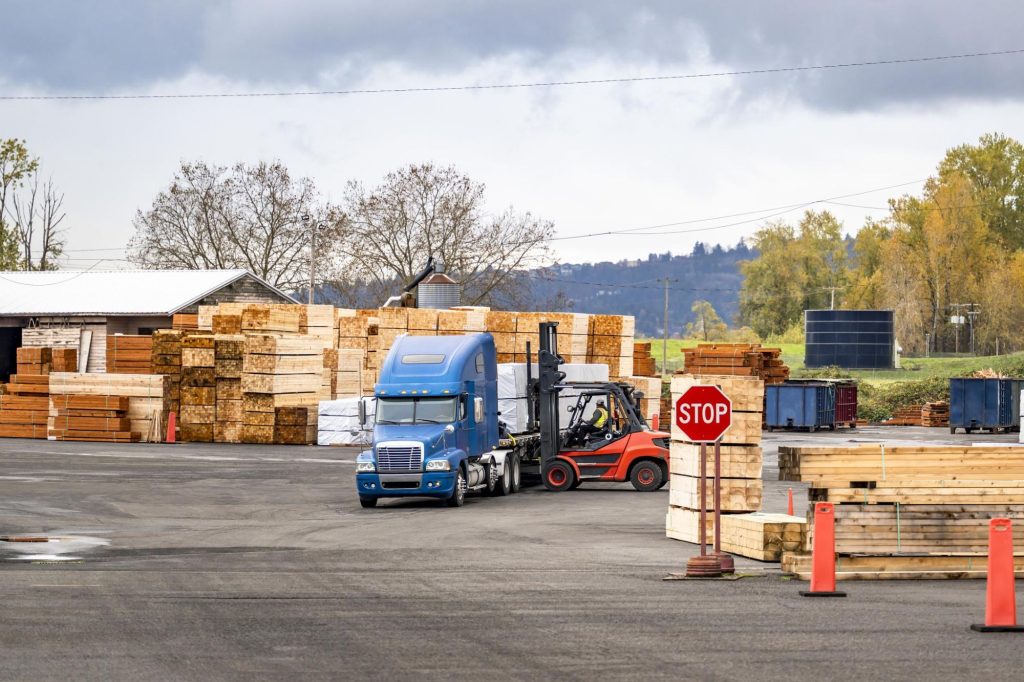
Dedicated flatbed freight refers to transportation operations where a carrier or fleet is assigned to serve a specific customer, contract, or consistent freight lane involving open-deck cargo. These operations are built around predictable routes, repeat loads, and long-term agreements, often supporting industries that require regular movement of materials.
Unlike long haul or regional flatbed freight, dedicated operations focus on consistency and reliability, with trucks frequently running the same routes between the same facilities. This type of freight is commonly used in construction supply, manufacturing, and industrial operations where materials must move on a steady schedule.
Key Characteristics
Dedicated flatbed freight is defined by the following operational traits:
- Open-deck transport requiring securement and protection
- Fixed or repeat routes between the same locations
- Consistent cargo types and load configurations
- Contract-based freight agreements
- Predictable scheduling and volume
- Strong coordination between shipper and carrier
Common Freight Types
Dedicated flatbed freight commonly includes:
- Structural steel
- Lumber and building materials
- Precast concrete products
- Machinery components
- Industrial materials
- Construction supplies
- Fabricated metal products
Advantages
Dedicated flatbed freight offers several benefits:
- Strong long-term relationships with customers
- Consistent and predictable routes
- Stable freight volume and scheduling
- Reduced reliance on spot market loads
- Increased efficiency through repetition
Limitations and Considerations
There are also important considerations:
- Changes in customer demand can impact operations
- Less flexibility compared to open market freight
- Dependence on a specific customer or contract
- Requires consistent performance and reliability
- Physical labor such as securement and tarping remains required
Equipment Commonly Used
Trailers
Trucks
Systems and Equipment
Driver and Operational Considerations
Dedicated flatbed operations require consistency and strong execution:
- Performance metrics and service expectations are closely monitored
- Drivers often run the same routes repeatedly
- Load securement practices become standardized
- Tarping and protection requirements may be consistent per load
- Familiarity with facilities improves efficiency
Industry and Freight Sectors
Dedicated flatbed freight supports key industries:
- Construction and infrastructure
- Manufacturing and industrial production
- Energy and oilfield operations
- Building supply chains
- Heavy equipment and machinery transport
Related Flatbed Freight Types
Dedicated flatbed freight operates alongside other flatbed freight models:
Related Freight Types
Explore other major freight categories across the industry:
- Dry Van Freight
- Refrigerated (Reefer) Freight
- Flatbed Freight
- Bulk and Pneumatic Freight
- Liquid and Tanker Freight
- Intermodal and Container Freight
- Construction and Aggregate Freight
- Logging and Forestry Freight
- Heavy Haul Freight
- Specialty and Niche Freight
FAQ
What is dedicated flatbed freight?
Dedicated flatbed freight refers to contract-based transportation where flatbed loads are moved consistently for a specific customer or route.
Do dedicated flatbed drivers handle the same loads regularly?
Yes, most dedicated operations involve repeat cargo types and consistent routes.
Is flatbed freight more demanding than dry van?
Yes, it requires load securement, tarping, and more physical involvement from drivers.
Availability and Market Demand
Dedicated flatbed freight continues to grow as companies seek reliable transportation for consistent material movement. Industries such as construction and manufacturing rely heavily on dedicated capacity to maintain steady operations.
Trucking Equipment Guides
Looking to learn more about commercial trucking equipment? Visit our Trucking Equipment Guides section for educational resources covering truck types, trailer configurations, diesel engines, equipment systems, freight operations, maintenance considerations, and equipment buying advice.
Explore Our Trucking Equipment Guides
Support Trucking Families
Dedicated flatbed drivers play a key role in transporting essential materials. Organizations like Grey Cross support trucking families during times of need.