
Regional Flatbed Freight
Overview
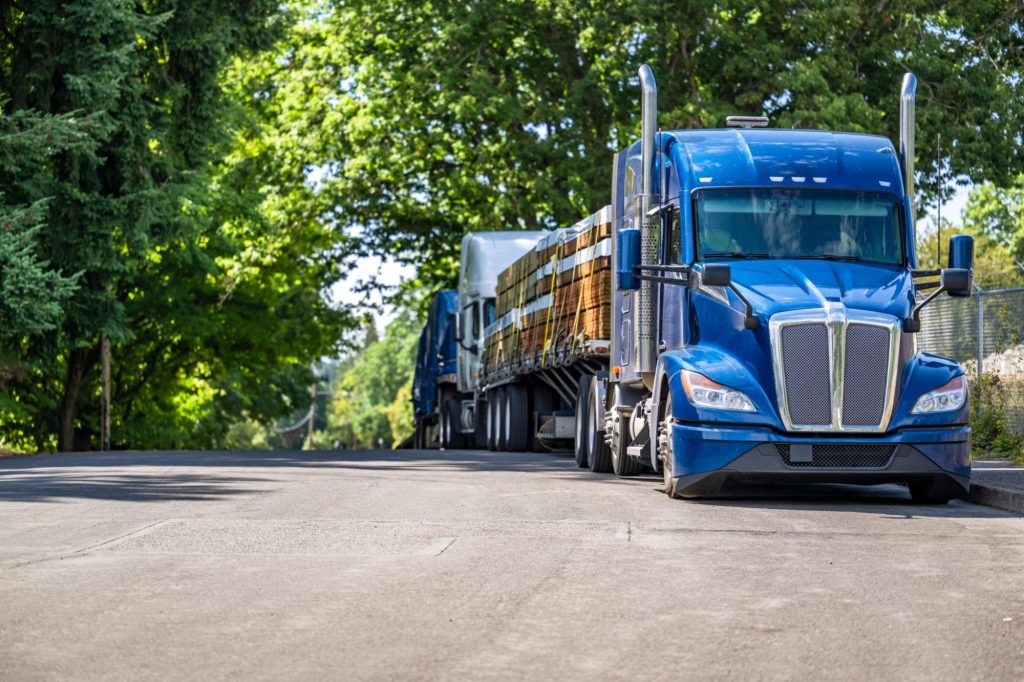
Regional flatbed freight refers to the transportation of oversized, heavy, or irregularly shaped cargo within a defined geographic area, typically ranging from 100 to 500 miles. These operations often connect job sites, manufacturing facilities, and distribution yards within a region.
Unlike long haul flatbed freight, regional operations involve shorter routes, more frequent stops, and greater interaction with loading and unloading environments such as construction sites and industrial facilities. This type of freight requires both operational efficiency and strong load securement practices.
Key Characteristics
Regional flatbed freight is defined by several operational traits:
- Drivers are responsible for securing and inspecting loads
- Routes typically range from 100 to 500 miles
- Operations are confined to a specific geographic region
- More frequent stops for loading and unloading
- Cargo is transported on open-deck trailers
- Higher interaction with job sites and industrial locations
Common Freight Types
Regional flatbed freight commonly includes:
- Lumber and building materials
- Steel and fabricated metal products
- Construction equipment
- Machinery components
- Palletized industrial materials
- Precast concrete
- Local infrastructure materials
Advantages
Regional flatbed freight offers several benefits:
- Greater consistency within defined freight lanes
- More predictable routes and schedules
- Increased home time for drivers
- Faster turnaround between loads
- Strong demand from construction and local industries
Limitations and Considerations
There are also important considerations:
- Requires strong coordination with local operations
- Frequent stops increase loading and unloading time
- Traffic and job site delays can impact schedules
- Physical labor such as tarping and securement is required
- Exposure to weather conditions remains a factor
Equipment Commonly Used
Trailers
Trucks
Systems and Equipment
Driver and Operational Considerations
Regional flatbed operations require flexibility and efficiency:
- Communication with dispatch and site personnel is critical
- Drivers often handle multiple stops per route
- Load securement must be checked frequently
- Tarping may be required depending on cargo
- Drivers must navigate both highways and job sites
Industry and Freight Sectors
Regional flatbed freight supports key industries:
- Construction and infrastructure
- Local manufacturing
- Building supply distribution
- Agriculture and equipment transport
- Industrial services
Related Flatbed Freight Types
Regional flatbed freight is part of a broader operational structure within flatbed transportation:
Related Freight Types
Explore other major freight categories across the industry:
- Dry Van Freight
- Refrigerated (Reefer) Freight
- Flatbed Freight
- Bulk and Pneumatic Freight
- Liquid and Tanker Freight
- Intermodal and Container Freight
- Construction and Aggregate Freight
- Logging and Forestry Freight
- Heavy Haul Freight
- Specialty and Niche Freight
FAQ
What is regional flatbed freight?
Regional flatbed freight involves transporting open-deck cargo within a defined geographic area, typically under 500 miles.
Do regional flatbed drivers go home more often?
Yes, regional routes often allow for more frequent home time compared to long haul operations.
Is flatbed freight more physical than dry van?
Yes, flatbed freight requires load securement, tarping, and more hands-on work.
Availability and Market Demand
Regional flatbed freight remains in strong demand due to ongoing construction, infrastructure development, and local industrial activity. It plays a key role in supplying materials to job sites and regional distribution points.
Trucking Equipment Guides
Looking to learn more about commercial trucking equipment? Visit our Trucking Equipment Guides section for educational resources covering truck types, trailer configurations, diesel engines, equipment systems, freight operations, maintenance considerations, and equipment buying advice.
Explore Our Trucking Equipment Guides
Support Trucking Families
Regional flatbed drivers help keep local industries running by delivering essential materials. Organizations like Grey Cross provide support to trucking families during times of need.