
Regional Dry Van Freight
Overview
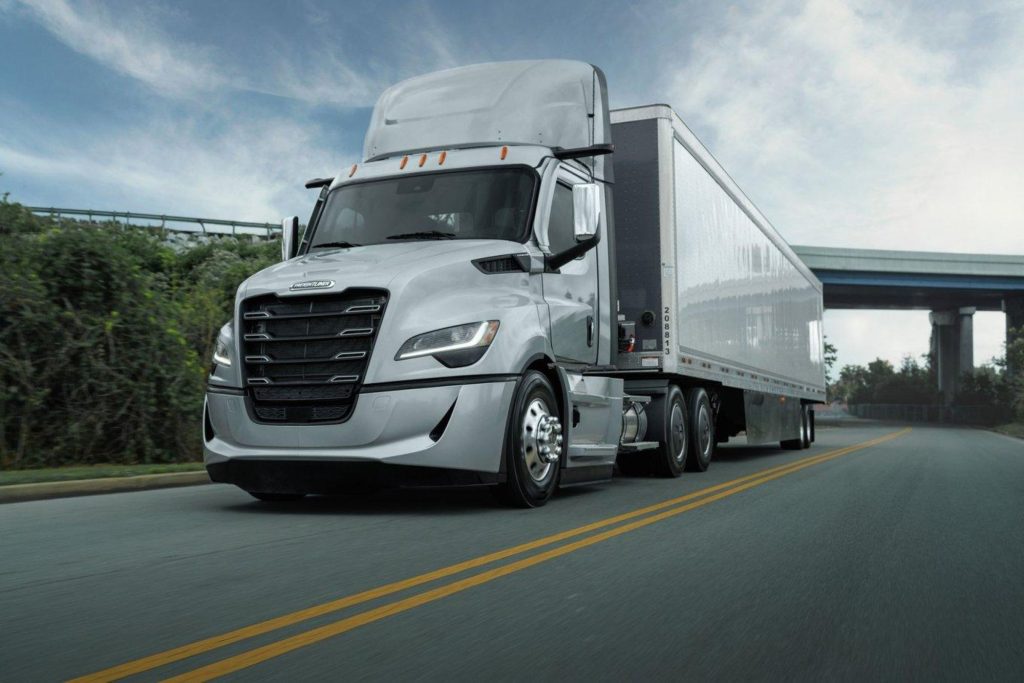
Regional dry van freight refers to the transportation of general goods within a defined geographic area, typically within a single state or a multi-state region. These operations usually involve shorter routes than long haul freight, often allowing drivers to return home more frequently.
Regional freight plays a critical role in maintaining consistent supply chains between distribution centers, warehouses, and retail locations. It is commonly handled using both 53-foot and 48-foot dry van trailers, depending on route requirements and infrastructure.
Key Characteristics
Regional dry van freight is defined by several operational traits:
- Greater interaction with distribution centers and local terminals
- Routes typically range from 100 to 500 miles
- Operations are often confined to a specific geographic region
- Drivers may operate on daily or multi-day routes with frequent home time
- Freight is non-temperature controlled and enclosed
- Higher frequency of pickups and deliveries compared to long haul
Common Freight Types
Regional dry van freight commonly includes:
- Retail store replenishment
- Consumer packaged goods
- Food and beverage (non-refrigerated)
- Warehouse transfers
- E-commerce distribution loads
- Paper and packaging materials
- Automotive parts
Advantages
Regional dry van freight offers several benefits:
- Easier route optimization within a defined area
- More predictable schedules and routes
- Increased home time for drivers
- Reduced exposure to long-distance delays
- Greater consistency in freight lanes
Limitations and Considerations
There are also challenges associated with regional operations:
- Requires strong coordination with local facilities
- More frequent stops increase loading and unloading time
- Traffic congestion can impact delivery schedules
- Lower mileage per trip may affect revenue depending on pay structure
- Increased wear from stop-and-go driving conditions
Equipment Commonly Used
Trailers
Trucks
Systems and Equipment
- Engines
- Transmissions
- Tires and Wheels
- Brake Systems
- Suspension Systems
- Telematics and ELD Systems
- Safety Systems
Driver and Operational Considerations
Regional operations require efficiency and consistency across routes:
- Frequent loading dock interactions are common
- Drivers often manage multiple stops per route
- Scheduling and dispatch coordination are critical
- Time management is essential for meeting delivery windows
- Drivers must navigate urban and suburban environments
Industry and Freight Sectors
Regional dry van freight supports a wide range of industries:
- Retail and distribution
- E-commerce logistics
- Manufacturing supply chains
- Food and beverage distribution
- Packaging and materials
Related Dry Van Freight Types
Regional dry van freight is part of a broader operational structure within dry van transportation:
Related Freight Types
Explore other major freight categories across the industry:
- Dry Van Freight
- Flatbed Freight
- Refrigerated (Reefer) Freight
- Bulk and Pneumatic Freight
- Liquid and Tanker Freight
- Intermodal and Container Freight
- Construction and Aggregate Freight
- Logging and Forestry Freight
- Heavy Haul Freight
- Specialty and Niche Freight
FAQ
What is considered regional freight distance?
Regional freight typically covers distances between 100 and 500 miles within a defined geographic area.
Do regional drivers go home daily?
Many regional routes allow for frequent home time, though this depends on the specific operation and route structure.
What type of trucks are used for regional dry van freight?
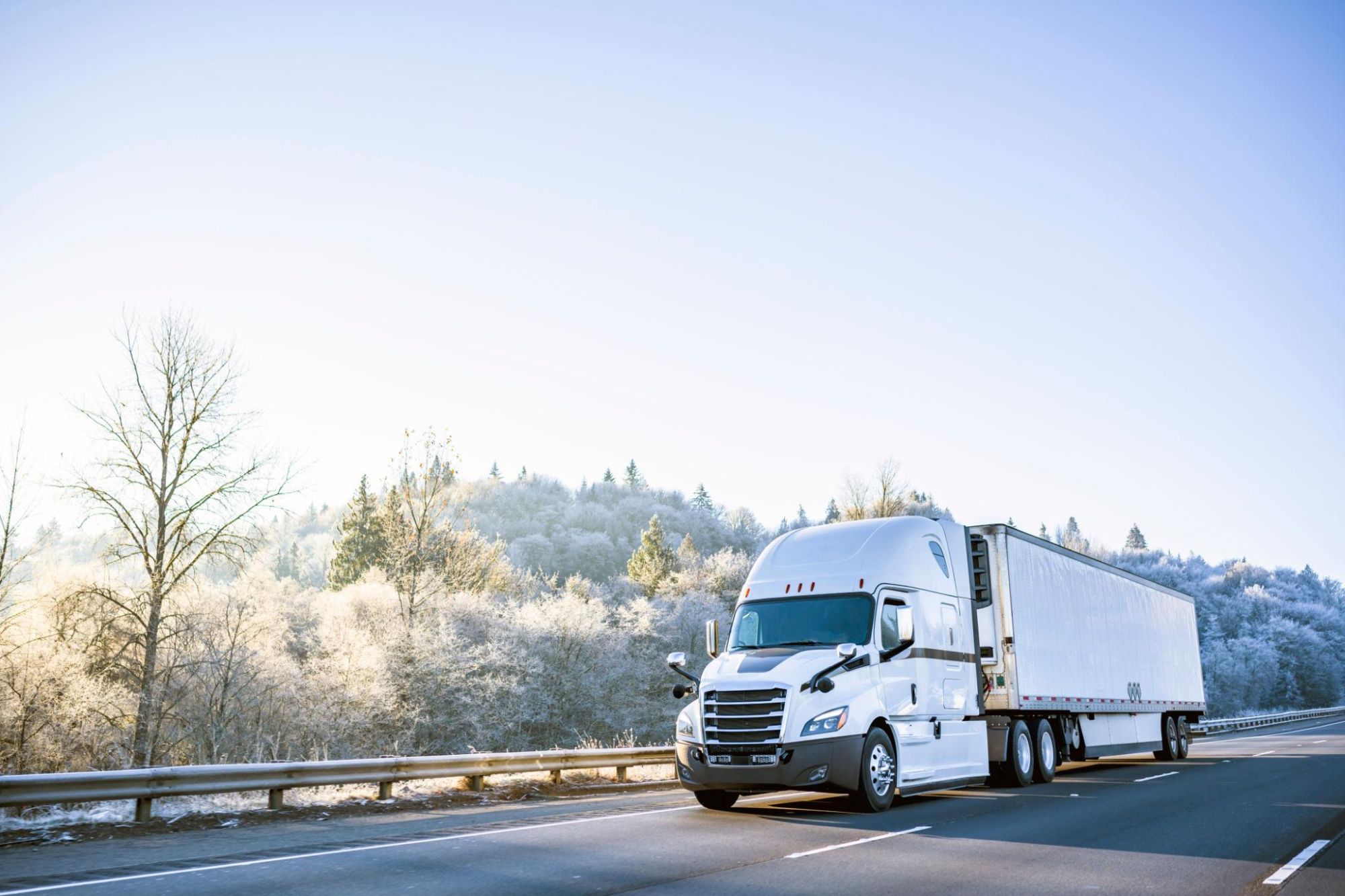
Both day cab and sleeper trucks are used, depending on route length and scheduling needs.
Availability and Market Demand
Regional dry van freight is a high-demand segment due to the constant need for inventory movement between warehouses, distribution centers, and retail locations. Growth in e-commerce and regional distribution networks continues to drive demand.
Trucking Equipment Guides
Looking to learn more about commercial trucking equipment? Visit our Trucking Equipment Guides section for educational resources covering truck types, trailer configurations, diesel engines, equipment systems, freight operations, maintenance considerations, and equipment buying advice.
Explore Our Trucking Equipment Guides
Support Trucking Families
Truck drivers play a critical role in long haul freight operations, often spending extended time away from home. Organizations like Grey Cross provide support to trucking families during times of need and hardship.