
Long Haul Flatbed Freight
Overview
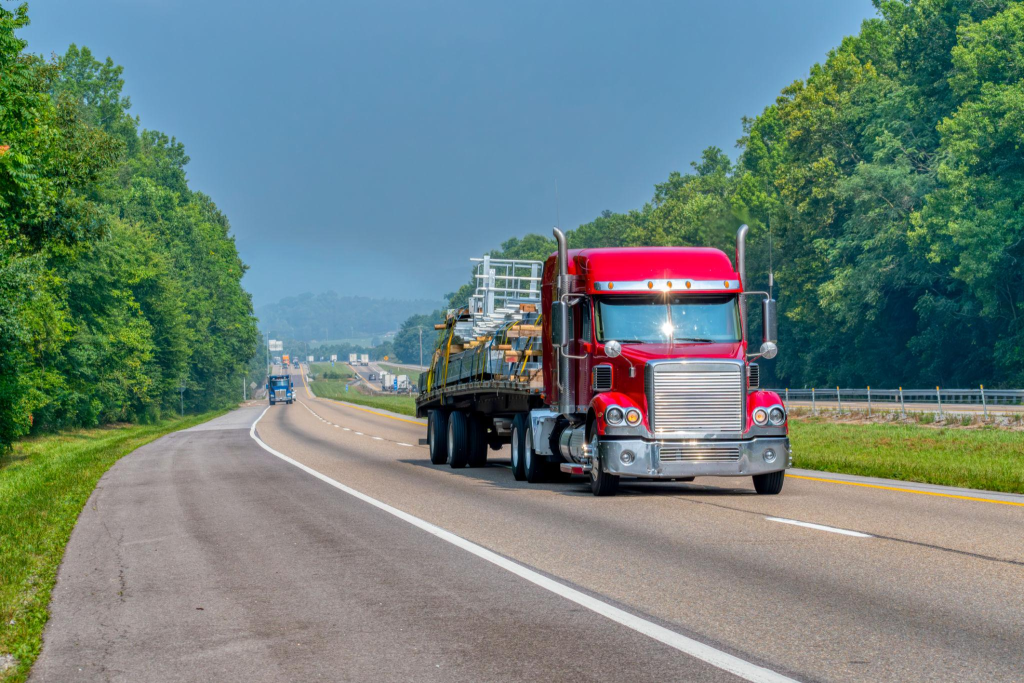
Long haul flatbed freight refers to the transportation of oversized, heavy, or irregularly shaped cargo over extended distances, typically exceeding 500 miles per trip. Unlike dry van freight, flatbed freight is transported on open-deck trailers, allowing for loading from the sides, rear, or top.
This type of freight is commonly used in industries such as construction, manufacturing, and energy, where cargo cannot be enclosed in standard trailers. Long haul flatbed operations require specialized equipment, load securement knowledge, and careful route planning due to the nature of the cargo.
Key Characteristics
Long haul flatbed freight is defined by several operational traits:
- Exposure to weather requires protective measures such as tarping
- Trips typically exceed 500 miles and often span multiple states
- Cargo is transported on open-deck trailers without enclosure
- Freight often includes oversized, heavy, or irregularly shaped items
- Loading and unloading may require cranes or forklifts
- Drivers are responsible for load securement and safety
Common Freight Types
Long haul flatbed freight commonly includes:
- Structural steel
- Lumber and building materials
- Heavy machinery and equipment
- Construction materials
- Industrial components
- Pipes and tubing
- Precast concrete products
Advantages
Long haul flatbed freight offers several key advantages:
- Fewer physical constraints compared to enclosed trailers
- Ability to transport oversized or non-standard cargo
- Flexible loading options from multiple directions
- Essential for industries requiring heavy and specialized transport
- Strong demand across construction and manufacturing sectors
Limitations and Considerations
There are also important challenges:
- Route planning may be required for oversized loads
- Increased exposure to weather and environmental conditions
- Time-consuming load securement and tarping requirements
- Greater responsibility placed on drivers for cargo safety
- Higher risk of cargo damage if improperly secured
Equipment Commonly Used
Trailers
Trucks
Systems and Equipment
Driver and Operational Considerations
Flatbed operations require a higher level of driver involvement compared to enclosed freight:
- Understanding weight distribution and balance is essential
- Drivers must properly secure loads using straps, chains, and binders
- Tarping may be required to protect cargo from weather
- Physical labor is often part of the job
- Load inspections are critical throughout the trip
Industry and Freight Sectors
Long haul flatbed freight supports key industrial sectors:
- Construction and infrastructure
- Manufacturing and industrial production
- Energy and oilfield operations
- Agriculture and equipment transport
- Heavy industry and machinery
Related Flatbed Freight Types
Long haul flatbed freight is part of a broader operational structure within flatbed transportation:
Related Freight Types
Explore other major freight categories across the industry:
- Dry Van Freight
- Refrigerated (Reefer) Freight
- Flatbed Freight
- Bulk and Pneumatic Freight
- Liquid and Tanker Freight
- Intermodal and Container Freight
- Construction and Aggregate Freight
- Logging and Forestry Freight
- Heavy Haul Freight
- Specialty and Niche Freight
FAQ
What is flatbed freight used for?
Flatbed freight is used to transport oversized, heavy, or irregular cargo that cannot fit inside enclosed trailers.
What distance is considered long haul flatbed freight?
Long haul typically refers to trips exceeding 500 miles, often across multiple states.
Do flatbed drivers secure their own loads?
Yes, drivers are responsible for securing loads using straps, chains, and other equipment.
Availability and Market Demand
Long haul flatbed freight remains in high demand due to ongoing construction, manufacturing, and infrastructure development. It is a critical segment for transporting materials that cannot be moved using standard enclosed trailers.
Trucking Equipment Guides
Looking to learn more about commercial trucking equipment? Visit our Trucking Equipment Guides section for educational resources covering truck types, trailer configurations, diesel engines, equipment systems, freight operations, maintenance considerations, and equipment buying advice.
Explore Our Trucking Equipment Guides
Support Trucking Families
Flatbed drivers play a vital role in transporting essential materials across long distances. Organizations like Grey Cross provide support to trucking families during times of need.