
Freightliner Cascadia
Quick Facts
- Manufacturer: Freightliner Trucks
- Truck Class: Class 8 Highway Truck
- Common Configurations: Day Cab, Mid Roof Sleeper, Raised Roof Sleeper, Tandem Axle, Fleet Configurations
- Primary Applications: Long Haul Freight, Regional Freight, Dedicated Freight, Dry Van Operations, Refrigerated Freight, Intermodal Operations
- Common Engine Options: Detroit DD13, Detroit DD15, Cummins X15
- Typical Transmission Options: DT12 Automated Manual, Eaton Fuller Manual, Eaton Endurant Automated
- Common Axle Setups: 6×4, 6×2, Tandem Axle Configurations
- GVWR Range: Up to 80,000 lbs GCWR depending on configuration
- Front Axle Capacity: Up to 14,600 lbs
- Rear Axle Capacity: Up to 46,000 lbs
- Cab Style: Aerodynamic Aluminum Cab with Integrated Sleeper Options
- Production Status: Active Production
Overview
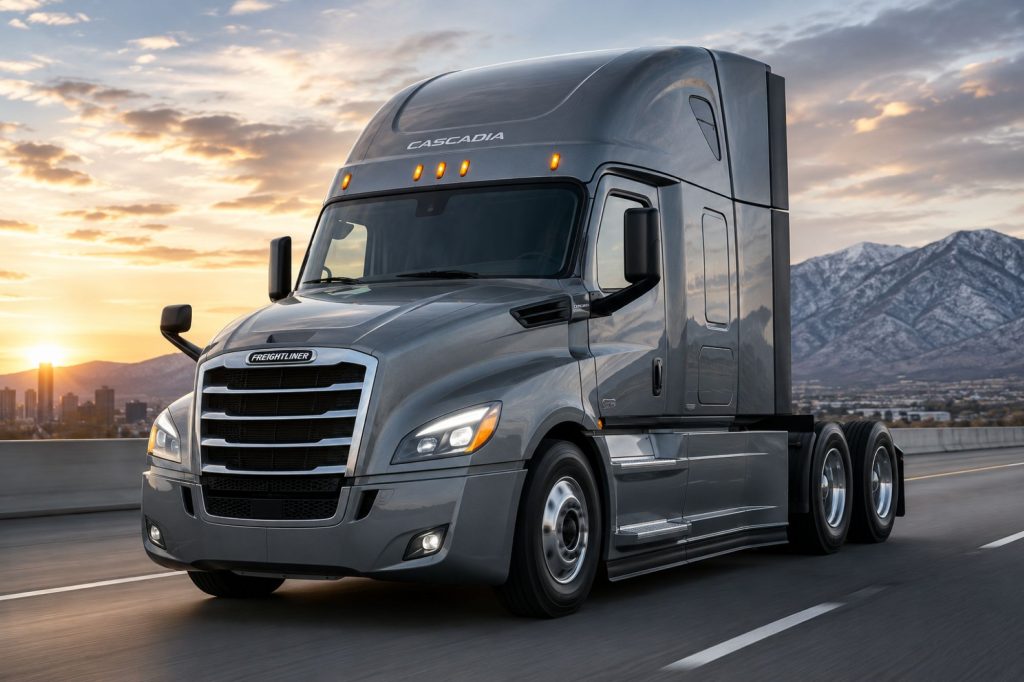
The Freightliner Cascadia is one of the most widely used Class 8 trucks in North America and serves as a cornerstone platform for both large fleets and independent operators. Known for its aerodynamic design, fuel efficiency focus, and broad dealer support network, the Cascadia has become a dominant truck in long haul and regional freight operations.
The platform was designed around operational efficiency, driver comfort, safety technology, and lower operating costs while supporting a wide range of freight applications across the trucking industry.
Unlike traditional long-nose trucks focused heavily on styling and customization, the Cascadia emphasizes fuel economy, uptime, and fleet scalability.
Key Characteristics
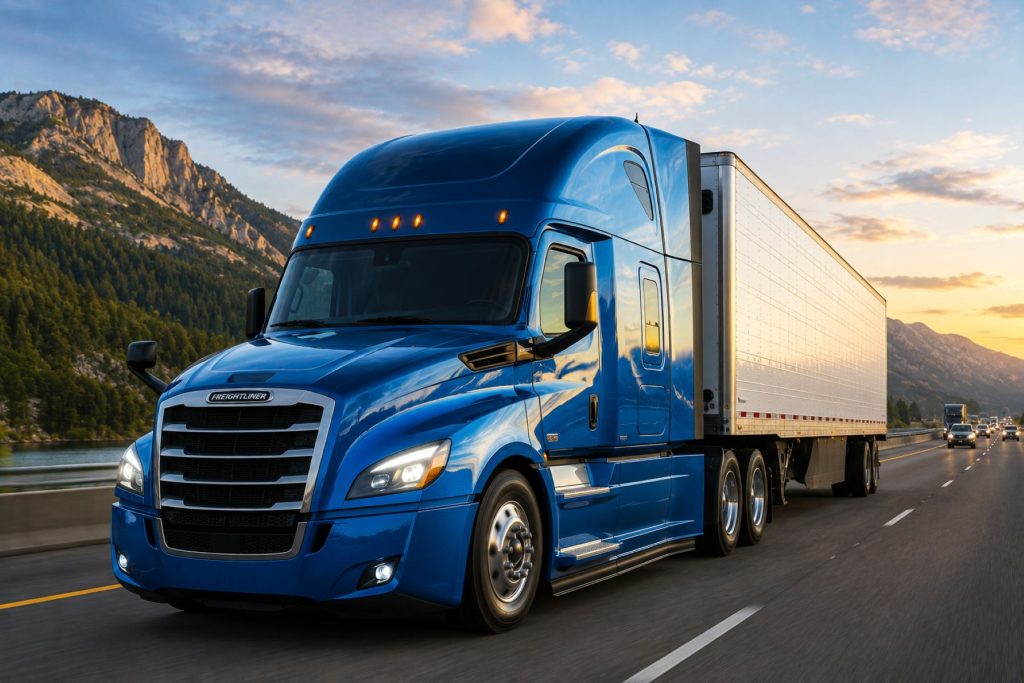
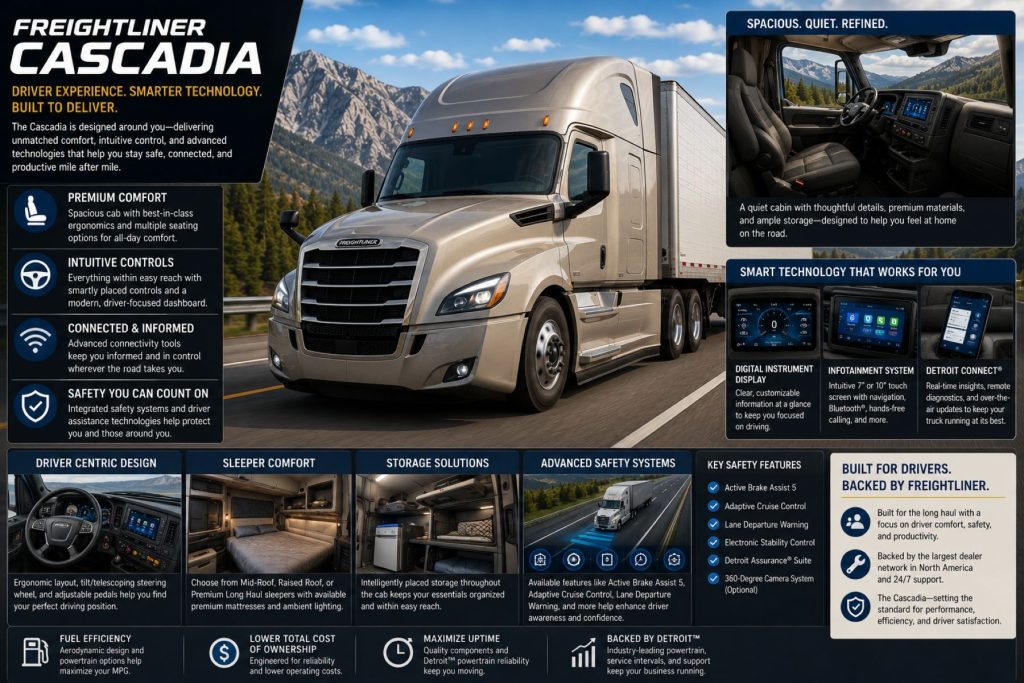
The Freightliner Cascadia is built around aerodynamic efficiency, integrated safety systems, and modern driver-focused technology. The truck features a streamlined hood and cab design intended to reduce drag and improve fuel economy during highway operation.
Key characteristics include advanced driver assistance systems, integrated telematics support, multiple sleeper configurations, and widespread compatibility with modern automated transmissions.
The platform is also known for strong parts availability, extensive dealership coverage, and broad adoption across major trucking fleets.
Common Specifications
Engine Options
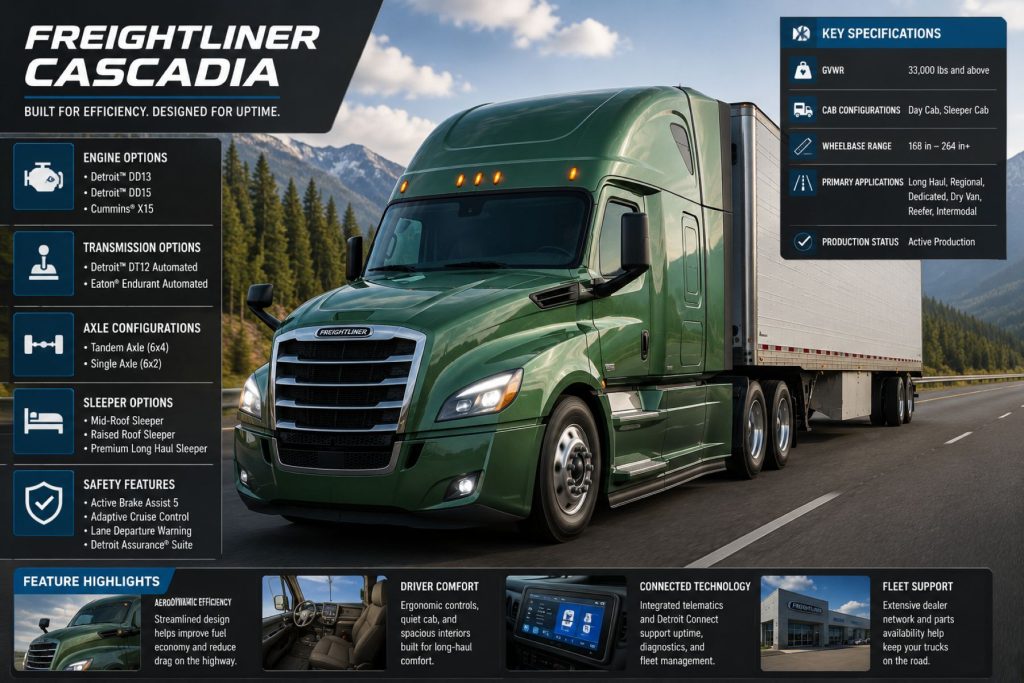
The Freightliner Cascadia is most commonly equipped with the Detroit DD13, Detroit DD15, or Cummins X15 depending on application and fleet preference.
Transmission Options
Most Cascadia models use the Detroit DT12 automated manual transmission, though Eaton Endurant automated options are also available in certain configurations.
Axle Configurations
Common axle configurations include tandem axle (6×4) and single axle (6×2) setups depending on payload requirements and fuel-efficiency goals.
Sleeper Options
Sleeper configurations range from smaller mid-roof sleepers to larger raised-roof and premium long haul sleeper setups.
Wheelbase Range
Wheelbase lengths vary significantly depending on freight application, sleeper configuration, and operational requirements.
Common Applications
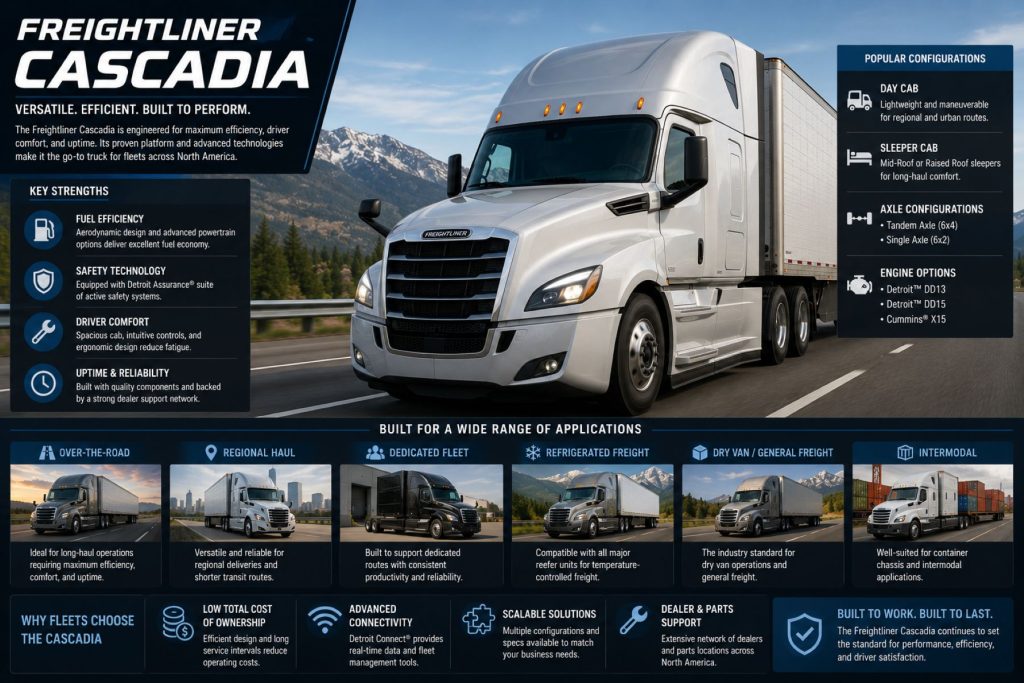
The Freightliner Cascadia is commonly used in:
- Long haul freight
- Regional freight operations
- Dedicated freight
- Dry van operations
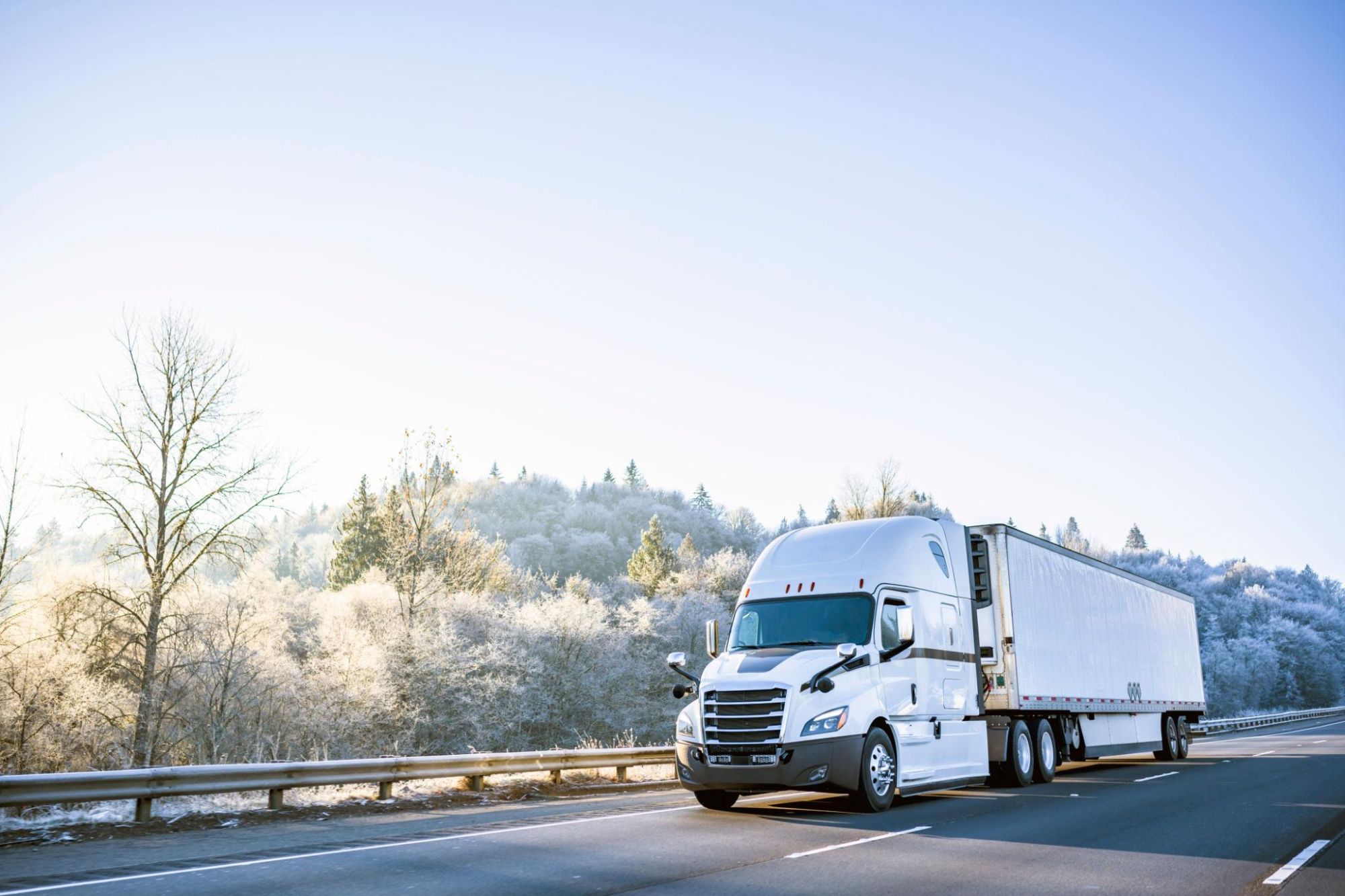
- Refrigerated freight
- Intermodal operations
- Fleet transportation
Advantages
The Cascadia offers several advantages that contribute to its popularity across the trucking industry.
- Strong fuel efficiency
- Large dealer and service network
- Advanced safety technology
- Driver comfort improvements
- Broad fleet support
- Good parts availability
- Modern aerodynamic design
Limitations or Considerations
Despite its widespread use, the Cascadia also has operational tradeoffs.
- Despite its widespread use, the Cascadia also has operational tradeoffs.
- Less traditional styling appeal
- Complex electronics compared to older trucks
- Automated systems may require additional diagnostics training
- Interior customization options are more limited than owner-operator focused trucks
- Some operators prefer more traditional ride characteristics
Driver and Operator Experience
The Freightliner Cascadia is designed to maximize comfort and efficiency for drivers spending extended time on the road. Modern interior layouts, improved insulation, ergonomic controls, and sleeper configurations help support long-distance operations and reduce driver fatigue.
Drivers often appreciate the truck’s visibility, quiet cab environment, and integrated technology systems. Features such as collision mitigation systems, adaptive cruise control, and lane assistance also contribute to driver support and operational safety.
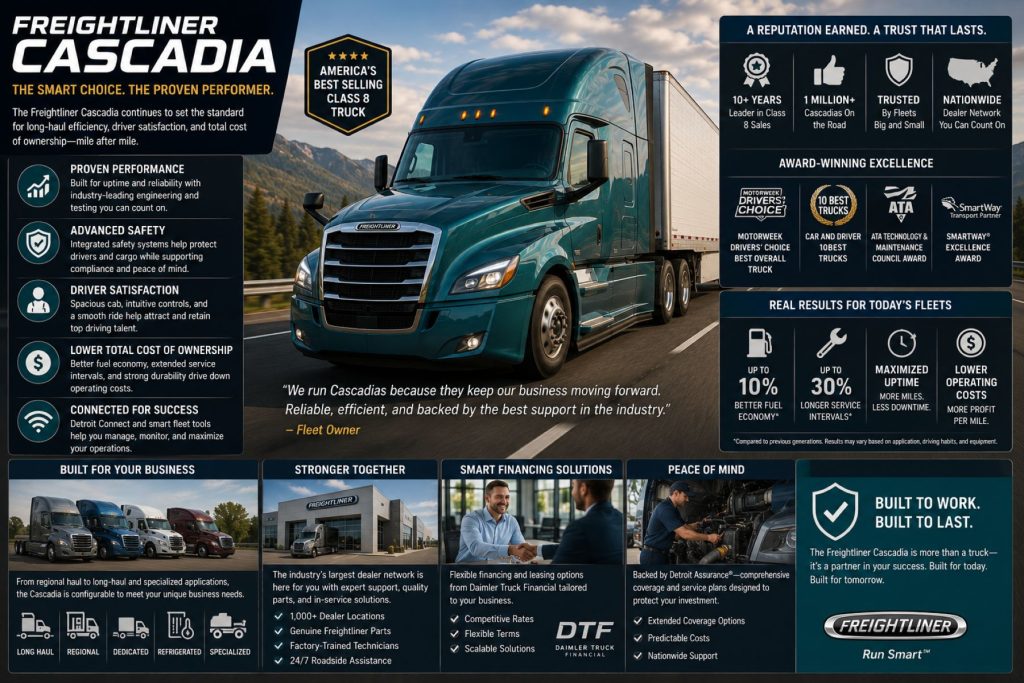
The Cascadia is especially popular among large fleets due to its balance of comfort, fuel economy, and operational consistency.
Maintenance and Ownership Notes
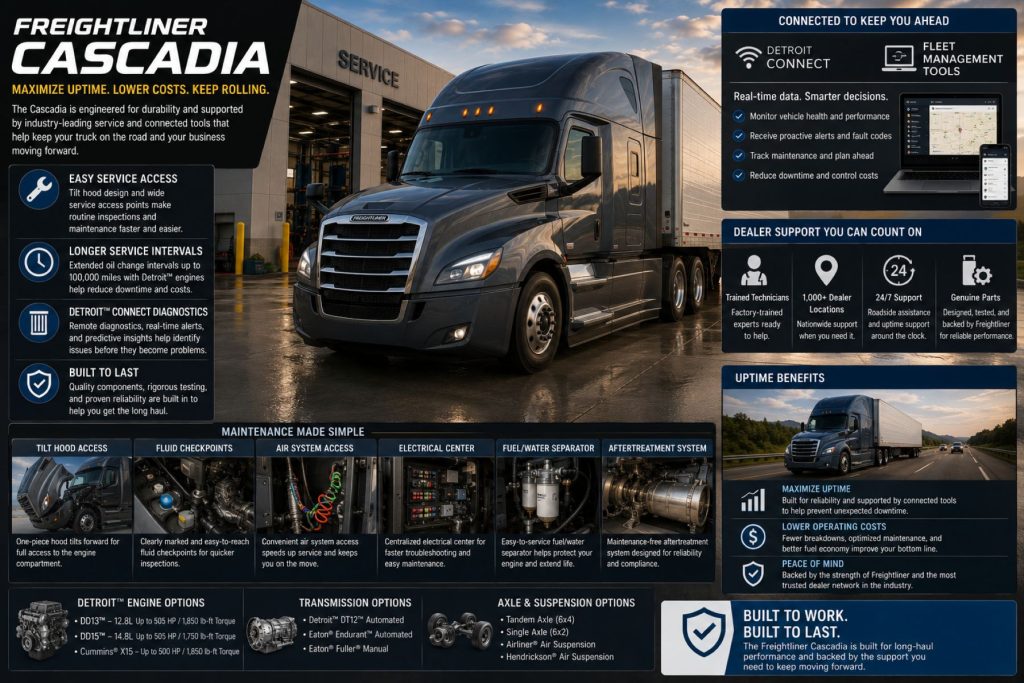
Maintenance on the Cascadia is supported by one of the largest dealership and service networks in North America. Parts availability is generally strong, helping reduce downtime during repairs and scheduled maintenance.
The truck’s advanced electronics and integrated systems may require more specialized diagnostics compared to older truck platforms. Proper preventative maintenance and software updates are important for long-term reliability.
Fleet operators often prioritize the Cascadia for its uptime support and operational efficiency.
Buying Considerations
When purchasing a Freightliner Cascadia, buyers should evaluate engine specifications, transmission type, mileage, maintenance history, safety system options, and intended freight application.
Fleet-maintained Cascadias are common on the used market and may provide strong value depending on service history and configuration.
Operational priorities such as fuel economy, comfort, and dealer support should also be considered when comparing the Cascadia to competing trucks.
Variants and Configurations
The Freightliner Cascadia platform is available in multiple configurations designed for different applications.
- Day cab version
- Sleeper cab version
- Regional haul configurations
- Fleet specifications
- Owner-operator configurations
- Fuel-efficiency focused setups
Comparison to Similar Trucks
The Freightliner Cascadia is commonly compared to trucks such as the Volvo VNL, Kenworth T680, International LT Series, and Peterbilt 579.
Compared to more traditional long-nose trucks, the Cascadia focuses heavily on aerodynamic efficiency, integrated technology, and fleet operational performance.
The platform is especially competitive in fuel economy, dealership support, and fleet adoption.
Best Fit For
The Freightliner Cascadia is best suited for:
- Large fleet operations
- Long haul freight
- Regional freight operations
- Dedicated contract freight
- Fuel-efficiency focused operators
- Dry van and refrigerated freight
Regulatory and Compliance Notes
The Freightliner Cascadia incorporates modern emissions systems and advanced safety technologies designed to meet current federal and state commercial trucking regulations.
Configuration choices, emissions packages, and safety systems may vary depending on model year and operating region.
Real World Operating Notes
In real-world operation, the Freightliner Cascadia has developed a reputation for strong fuel economy, broad fleet acceptance, and operational scalability.
The truck is commonly seen across major freight corridors and is one of the most recognizable fleet trucks in North America.
While some drivers prefer more traditional truck platforms, the Cascadia remains highly popular for operators prioritizing efficiency, uptime, and modern safety technology.
Related Truck Types
Related Freight Types
Related Trailer Types
Related Equipment Systems
Related Guides
- Most Reliable Semi Truck Engines
- How to Choose the Right Commercial Truck
- Day Cab vs Sleeper Truck: Which Is Right for Your Operation?
Frequently Asked Questions
Is the Freightliner Cascadia good for long haul trucking?
Yes, the Cascadia is widely used for long haul operations due to its fuel efficiency, comfort, and fleet support.
What engines are commonly used in the Cascadia?
The Detroit DD13, Detroit DD15, and Cummins X15 are the most common engine options.
Is the Cascadia fuel efficient?
Yes, the Cascadia is designed heavily around aerodynamic efficiency and fuel economy.
Is the Cascadia popular with fleets?
Yes, it is one of the most widely adopted fleet trucks in North America.
Availability and Where to Find
The Freightliner Cascadia is available through Freightliner dealerships, used commercial truck dealers, fleet resellers, lease return inventories, and major truck marketplaces throughout North America.
Support Trucking Families
Truck Equipment Atlas supports the mission of Grey Cross, a nonprofit dedicated to helping families of truck drivers who lose their lives while on the road. As the site grows, part of its mission is to bring awareness and support to these families.
Podcast or Video Section
Learn More Through Audio and Video
Truck Equipment Atlas will continue expanding with podcast episodes, interviews, and equipment breakdowns to help drivers and fleets better understand trucks and equipment.
Follow the Growth of Truck Equipment Atlas
Truck Equipment Atlas continues to expand with new truck profiles, trailer coverage, diesel engine pages, equipment system resources, manufacturer information, and educational guides.
Visit our Site Updates page to explore recent additions, project milestones, and upcoming resources as we continue building one of the industry’s growing commercial trucking equipment reference libraries.
View the Latest Site Updates: Truck Equipment Atlas Site Updates