
Aerodynamics & Fairings
Overview
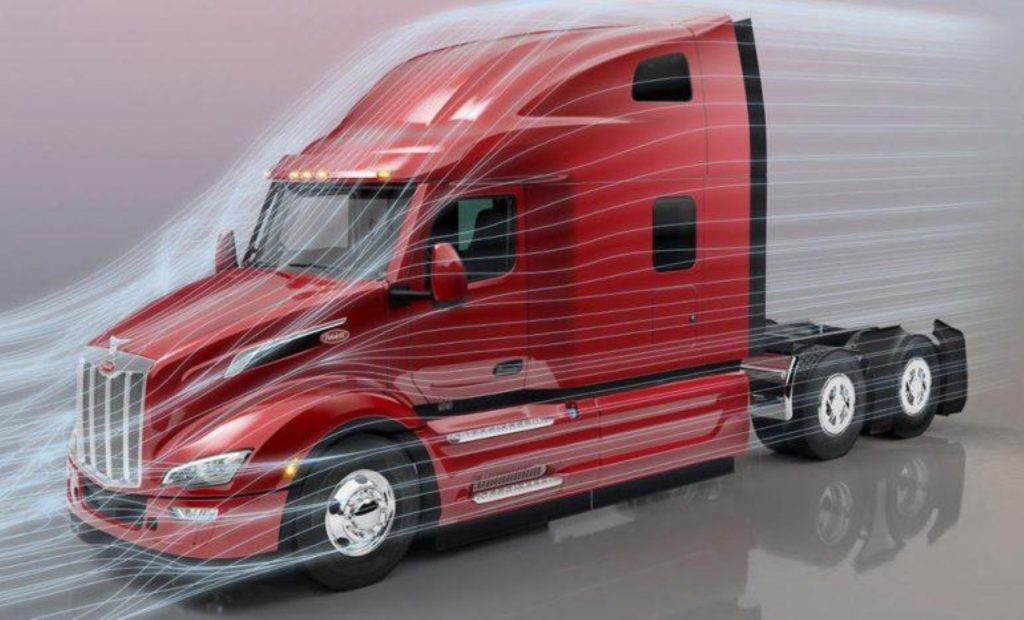
Aerodynamics and fairings are designed to reduce wind resistance and improve fuel efficiency in trucks, especially during highway operation. By minimizing drag, these systems help increase performance, reduce fuel consumption, and improve overall operational efficiency.
Modern aerodynamic designs are a key factor in long-haul trucking where fuel costs and efficiency are critical.
Key Characteristics
Aerodynamic systems are engineered to improve airflow and reduce resistance.
• Reduces wind drag during highway travel
• Improves fuel efficiency
• Enhances vehicle stability at higher speeds
• Designed to integrate with truck and trailer shapes
• Optimized for long-haul operations
Common Configurations
Aerodynamic components vary based on truck design and application.
• Roof fairings
• Side fairings (cab extenders)
• Chassis fairings
• Trailer side skirts
• Rear fairings and boat tails
Common Uses
Aerodynamic systems are primarily used in highway and long-haul operations.
• Long-haul freight transport
• Regional highway operations
• Fleet efficiency optimization
• Fuel cost reduction strategies
• High-mileage trucking applications
Freight & Industry Sectors
Aerodynamics and fairings play a critical role in improving fuel efficiency and reducing drag across a wide range of freight operations. These systems are especially valuable in long-haul and highway-focused sectors where sustained speeds make aerodynamic performance a key factor in reducing operating costs and improving overall fleet efficiency.
- Dry Van Freight
- Refrigerated (Reefer) Freight
- Intermodal & Container Freight
- Automotive Transport Freight
Related Truck Types
Aerodynamic systems and fairings are most commonly used on highway-focused trucks where fuel efficiency and reduced drag provide measurable cost savings over long distances.
• Sleeper Trucks
• Day Cab Trucks
Related Trailer Types
Aerodynamic improvements are also applied to trailers to reduce drag and improve overall fuel efficiency, especially in high-mileage highway operations where trailer design significantly impacts airflow.
• Dry Van Trailers
• Refrigerated (Reefer) Trailers
Advantages
Aerodynamic systems provide efficiency and performance benefits.
• Improved fuel economy
• Reduced operating costs
• Increased highway stability
• Better airflow around the vehicle
• Long-term cost savings
Limitations
Aerodynamic systems have limitations depending on application and environment.
• Less effective at low speeds
• Added cost for installation and maintenance
• Potential damage in off-road or tight environments
• Limited benefit in stop-and-go operations
Driver and Operator Considerations
Drivers should understand that aerodynamic benefits are most noticeable at highway speeds. Proper maintenance of fairings is important to maintain efficiency and prevent damage.
Maintenance and Ownership Notes
Aerodynamic components require inspection and upkeep to maintain performance.
• Inspection for cracks or damage
• Secure mounting and alignment checks
• Cleaning to maintain airflow efficiency
• Replacement of damaged fairings
Types of Aerodynamic Systems
Aerodynamic systems are designed to optimize airflow around the vehicle.
• Cab fairings
• Trailer side skirts
• Rear aerodynamic devices
• Chassis fairings
• Integrated aerodynamic designs
Popular Aerodynamic Manufacturers
Several manufacturers produce aerodynamic systems and components.
• FlowBelow Aero
• STEMCO
• Freightliner Aero Packages
• Volvo Aero Systems
Related Equipment Systems
• Engines
• Transmissions
• Axles & Differentials
• Suspension Systems
• Brake Systems
• Electrical Systems
• Tires & Wheels
• Telematics & ELD Systems
• Safety Systems
How to Use This Section
Each aerodynamic system page will provide detailed breakdowns of components, configurations, and real-world performance benefits. This helps users understand how aerodynamics impact efficiency.
What You’ll Find on Aerodynamic Pages
Each page follows a structured format to provide consistent and useful information.
• System overview and function
• Configuration and performance details
• Efficiency and cost insights
• Maintenance considerations
• Real-world applications
Aerodynamic System Models and Platforms
This section will expand to include detailed pages for specific aerodynamic systems and components used across the trucking industry.
Current and planned pages include:
• Trailer Side Skirts
• Boat Tail Systems
• Cab Fairing Designs
• Wheel Cover Systems
Each page will provide deeper insight into specifications, performance characteristics, maintenance considerations, and real-world applications.
Follow the Growth of Truck Equipment Atlas
Truck Equipment Atlas continues to expand with new truck profiles, trailer coverage, diesel engine pages, equipment system resources, manufacturer information, freight-sector content, and educational guides.
Visit our Site Updates page to follow major milestones, newly published resources, and future projects as we continue building one of the industry’s growing commercial trucking equipment reference libraries.
From commercial trucks and specialized trailers to diesel engines, equipment systems, and future Truck Stop Atlas resources, new content is being added regularly to help drivers, owner-operators, fleets, technicians, students, and industry professionals better understand the equipment that keeps freight moving.
Explore the Latest Site Updates
Stay Connected
As new aerodynamic content is added, this section will continue to grow into a comprehensive resource for improving truck efficiency and performance.