
Regional Sleeper Trucks
Quick Facts
- Truck Type: Sleeper Truck
- Primary Use: Regional freight operations
- Typical Range: 300–800 miles per trip
- Cab Type: Sleeper cab (smaller than long haul sleepers)
- Fuel Capacity: Moderate compared to long haul trucks
Overview
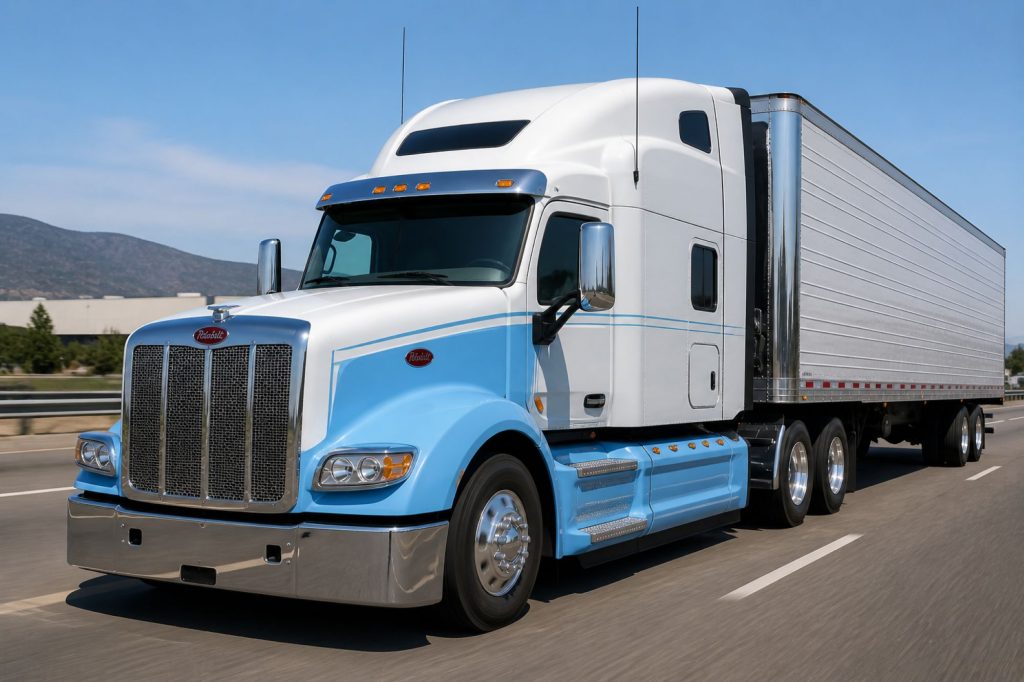
Regional sleeper trucks are designed for mid-distance freight operations where drivers may spend one or more nights on the road but do not typically operate on extended cross-country routes. These trucks combine the comfort of a sleeper cab with greater flexibility and efficiency for shorter hauls.
They are commonly used in regional distribution networks, offering a balance between long haul capability and maneuverability.
Key Characteristics
- Common in regional freight networks
- Sleeper cab with compact living space
- Designed for shorter multi-day trips
- More maneuverable than long haul trucks
- Balanced fuel capacity and efficiency
Common Uses
Regional sleeper trucks are used in:
- Dry Van Freight
- Refrigerated (Reefer) Freight
- Flatbed Freight
- Regional distribution routes
- Multi-stop delivery operations
Advantages
- Flexible across multiple freight types
- Provides driver rest without full long-haul size
- More efficient for regional operations
- Better maneuverability than larger sleeper trucks
- Lower operating costs compared to long haul units
Limitations and Considerations
- Still larger than day cab trucks for tight urban areas
- Less storage and living space than long haul sleepers
- Not ideal for extended cross-country routes
- Limited fuel capacity compared to long haul trucks
Equipment and Systems
- Safety Systems
- Engines
- Transmissions
- Axles & Differentials
- Suspension Systems
- Brake Systems
- Electrical Systems
- Telematics & ELD Systems
Industry Applications
Regional sleeper trucks are widely used across:
- Short-to-mid distance supply chains
- Regional logistics networks
- Retail and distribution routes
- Multi-stop delivery systems
Comparison to Long Haul Sleeper Trucks
Compared to long haul sleeper trucks, regional sleepers are smaller, more maneuverable, and optimized for shorter routes, while long haul trucks are built for maximum range and driver comfort over extended trips.
Related Truck Types
Related Sleeper Configurations
Related Freight Types
FAQ
What is a regional sleeper truck?
A sleeper truck designed for shorter routes where drivers may still require overnight accommodations.
How far do regional trucks typically run?
Usually between 300 and 800 miles per trip.
Why not use a day cab instead?
Regional routes may still require overnight stays, making sleeper cabs more practical.
Availability and Industry Demand
Regional sleeper trucks are widely used in distribution networks that require overnight travel without full long-haul operations.
Follow the Growth of Truck Equipment Atlas
Truck Equipment Atlas continues to expand with new truck profiles, trailer coverage, diesel engine pages, equipment system resources, manufacturer information, freight-sector content, and educational guides.
Visit our Site Updates page to follow major milestones, newly published resources, and future projects as we continue building one of the industry’s growing commercial trucking equipment reference libraries.
From commercial trucks and specialized trailers to diesel engines, equipment systems, and future Truck Stop Atlas resources, new content is being added regularly to help drivers, owner-operators, fleets, technicians, students, and industry professionals better understand the equipment that keeps freight moving.
Explore the Latest Site Updates
Support Trucking Families
Regional drivers rely on sleeper trucks to manage mid-distance routes efficiently. Organizations like Grey Cross support trucking families.