
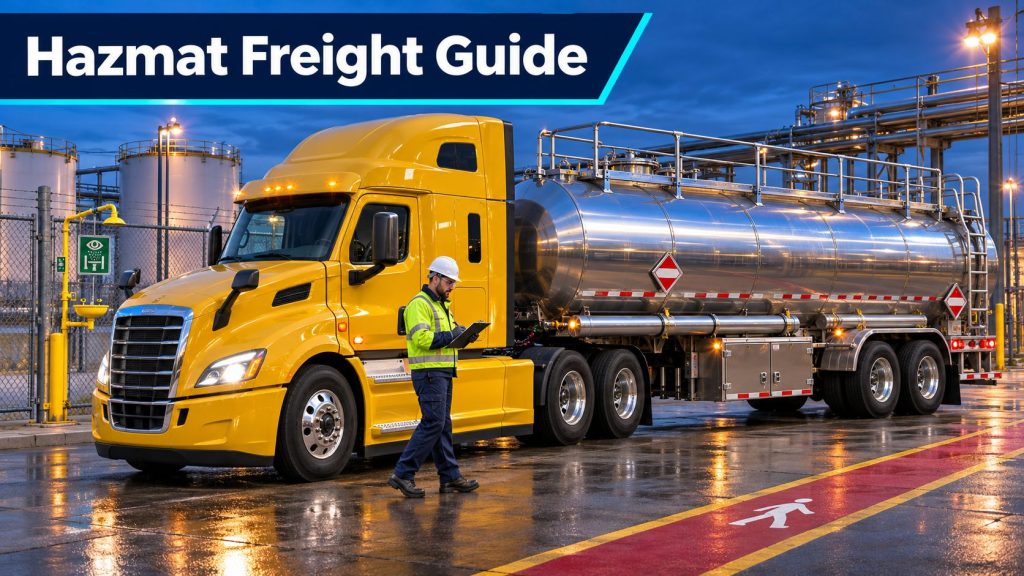
Hazmat Freight Guide explains understanding the planning, documentation, communication, equipment, and safety responsibilities involved in hazardous materials transport. The best result comes from matching equipment, procedures, and records to the actual duty cycle instead of relying on a general rule or familiar specification.
Commercial trucking decisions affect safety, compliance, payload, uptime, fuel use, maintenance cost, and customer service. Use current manufacturer documentation and applicable federal, state, local, shipper, and facility requirements whenever a rating, procedure, or legal limit is involved.
Hazard Classification
Hazard Classification begins with defining the operating requirement. Record the truck, trailer, cargo, route, expected weight, terrain, climate, schedule, and any special loading or facility conditions that affect the decision. A specification or procedure that works well in one application may create unnecessary cost, poor performance, or a safety problem in another.
Verify the relevant ratings, dimensions, component compatibility, condition, and documentation before operation. Use physical measurements, certification labels, service records, diagnostic information, shipping documents, or qualified inspections as appropriate. Do not treat a seller’s description, prior practice, or visual appearance as a substitute for verification.
Plan the work in a repeatable sequence: prepare the equipment, inspect the critical points, correct defects, document the result, and assign responsibility for follow-up. If conditions change during loading, transit, maintenance, or delivery, reassess the plan rather than assuming the original decision remains valid.
- Identify the specific requirement and the person responsible for it.
- Confirm ratings, condition, compatibility, and supporting records.
- Use the correct tools, protective equipment, and inspection method.
- Stop and resolve safety, legal, or mechanical concerns before proceeding.
Shipping Papers and Emergency Information
Shipping Papers and Emergency Information begins with defining the operating requirement. Record the truck, trailer, cargo, route, expected weight, terrain, climate, schedule, and any special loading or facility conditions that affect the decision. A specification or procedure that works well in one application may create unnecessary cost, poor performance, or a safety problem in another.
Verify the relevant ratings, dimensions, component compatibility, condition, and documentation before operation. Use physical measurements, certification labels, service records, diagnostic information, shipping documents, or qualified inspections as appropriate. Do not treat a seller’s description, prior practice, or visual appearance as a substitute for verification.
Plan the work in a repeatable sequence: prepare the equipment, inspect the critical points, correct defects, document the result, and assign responsibility for follow-up. If conditions change during loading, transit, maintenance, or delivery, reassess the plan rather than assuming the original decision remains valid.
- Identify the specific requirement and the person responsible for it.
- Confirm ratings, condition, compatibility, and supporting records.
- Use the correct tools, protective equipment, and inspection method.
- Stop and resolve safety, legal, or mechanical concerns before proceeding.
Packaging and Marking
Packaging and Marking begins with defining the operating requirement. Record the truck, trailer, cargo, route, expected weight, terrain, climate, schedule, and any special loading or facility conditions that affect the decision. A specification or procedure that works well in one application may create unnecessary cost, poor performance, or a safety problem in another.
Verify the relevant ratings, dimensions, component compatibility, condition, and documentation before operation. Use physical measurements, certification labels, service records, diagnostic information, shipping documents, or qualified inspections as appropriate. Do not treat a seller’s description, prior practice, or visual appearance as a substitute for verification.
Plan the work in a repeatable sequence: prepare the equipment, inspect the critical points, correct defects, document the result, and assign responsibility for follow-up. If conditions change during loading, transit, maintenance, or delivery, reassess the plan rather than assuming the original decision remains valid.
- Identify the specific requirement and the person responsible for it.
- Confirm ratings, condition, compatibility, and supporting records.
- Use the correct tools, protective equipment, and inspection method.
- Stop and resolve safety, legal, or mechanical concerns before proceeding.
Placards and Labels
Placards and Labels begins with defining the operating requirement. Record the truck, trailer, cargo, route, expected weight, terrain, climate, schedule, and any special loading or facility conditions that affect the decision. A specification or procedure that works well in one application may create unnecessary cost, poor performance, or a safety problem in another.
Verify the relevant ratings, dimensions, component compatibility, condition, and documentation before operation. Use physical measurements, certification labels, service records, diagnostic information, shipping documents, or qualified inspections as appropriate. Do not treat a seller’s description, prior practice, or visual appearance as a substitute for verification.
Plan the work in a repeatable sequence: prepare the equipment, inspect the critical points, correct defects, document the result, and assign responsibility for follow-up. If conditions change during loading, transit, maintenance, or delivery, reassess the plan rather than assuming the original decision remains valid.
- Identify the specific requirement and the person responsible for it.
- Confirm ratings, condition, compatibility, and supporting records.
- Use the correct tools, protective equipment, and inspection method.
- Stop and resolve safety, legal, or mechanical concerns before proceeding.
Driver Qualifications
Driver Qualifications begins with defining the operating requirement. Record the truck, trailer, cargo, route, expected weight, terrain, climate, schedule, and any special loading or facility conditions that affect the decision. A specification or procedure that works well in one application may create unnecessary cost, poor performance, or a safety problem in another.
Verify the relevant ratings, dimensions, component compatibility, condition, and documentation before operation. Use physical measurements, certification labels, service records, diagnostic information, shipping documents, or qualified inspections as appropriate. Do not treat a seller’s description, prior practice, or visual appearance as a substitute for verification.
Plan the work in a repeatable sequence: prepare the equipment, inspect the critical points, correct defects, document the result, and assign responsibility for follow-up. If conditions change during loading, transit, maintenance, or delivery, reassess the plan rather than assuming the original decision remains valid.
- Identify the specific requirement and the person responsible for it.
- Confirm ratings, condition, compatibility, and supporting records.
- Use the correct tools, protective equipment, and inspection method.
- Stop and resolve safety, legal, or mechanical concerns before proceeding.
Loading and Segregation
Loading and Segregation begins with defining the operating requirement. Record the truck, trailer, cargo, route, expected weight, terrain, climate, schedule, and any special loading or facility conditions that affect the decision. A specification or procedure that works well in one application may create unnecessary cost, poor performance, or a safety problem in another.
Verify the relevant ratings, dimensions, component compatibility, condition, and documentation before operation. Use physical measurements, certification labels, service records, diagnostic information, shipping documents, or qualified inspections as appropriate. Do not treat a seller’s description, prior practice, or visual appearance as a substitute for verification.
Plan the work in a repeatable sequence: prepare the equipment, inspect the critical points, correct defects, document the result, and assign responsibility for follow-up. If conditions change during loading, transit, maintenance, or delivery, reassess the plan rather than assuming the original decision remains valid.
- Identify the specific requirement and the person responsible for it.
- Confirm ratings, condition, compatibility, and supporting records.
- Use the correct tools, protective equipment, and inspection method.
- Stop and resolve safety, legal, or mechanical concerns before proceeding.
Route and Parking Rules
Route and Parking Rules begins with defining the operating requirement. Record the truck, trailer, cargo, route, expected weight, terrain, climate, schedule, and any special loading or facility conditions that affect the decision. A specification or procedure that works well in one application may create unnecessary cost, poor performance, or a safety problem in another.
Verify the relevant ratings, dimensions, component compatibility, condition, and documentation before operation. Use physical measurements, certification labels, service records, diagnostic information, shipping documents, or qualified inspections as appropriate. Do not treat a seller’s description, prior practice, or visual appearance as a substitute for verification.
Plan the work in a repeatable sequence: prepare the equipment, inspect the critical points, correct defects, document the result, and assign responsibility for follow-up. If conditions change during loading, transit, maintenance, or delivery, reassess the plan rather than assuming the original decision remains valid.
- Identify the specific requirement and the person responsible for it.
- Confirm ratings, condition, compatibility, and supporting records.
- Use the correct tools, protective equipment, and inspection method.
- Stop and resolve safety, legal, or mechanical concerns before proceeding.
Incident Response
Incident Response begins with defining the operating requirement. Record the truck, trailer, cargo, route, expected weight, terrain, climate, schedule, and any special loading or facility conditions that affect the decision. A specification or procedure that works well in one application may create unnecessary cost, poor performance, or a safety problem in another.
Verify the relevant ratings, dimensions, component compatibility, condition, and documentation before operation. Use physical measurements, certification labels, service records, diagnostic information, shipping documents, or qualified inspections as appropriate. Do not treat a seller’s description, prior practice, or visual appearance as a substitute for verification.
Plan the work in a repeatable sequence: prepare the equipment, inspect the critical points, correct defects, document the result, and assign responsibility for follow-up. If conditions change during loading, transit, maintenance, or delivery, reassess the plan rather than assuming the original decision remains valid.
- Identify the specific requirement and the person responsible for it.
- Confirm ratings, condition, compatibility, and supporting records.
- Use the correct tools, protective equipment, and inspection method.
- Stop and resolve safety, legal, or mechanical concerns before proceeding.
Planning and Verification Table
| Planning Area | What to Verify |
|---|---|
| Hazard Classification | Define the work, operating environment, and required result. |
| Packaging and Marking | Confirm equipment ratings, compatibility, and condition. |
| Driver Qualifications | Apply the procedure and inspect critical points. |
| Route and Parking Rules | Document the result and monitor changing conditions. |
Cost and Downtime Considerations
The lowest purchase price or fastest procedure is not always the lowest-cost choice. Include labor, fuel, permits, maintenance, wear, consumables, training, insurance, lost payload, delays, and potential downtime. A conservative estimate should also include the cost of a defect or service failure that interrupts the load.
Separate immediate safety or compliance needs from routine maintenance and optional improvements. Build required work into the operating budget and schedule it before the condition becomes a roadside failure, cargo claim, out-of-service event, or missed delivery.
Common Mistakes to Avoid
- Choosing equipment or procedures before defining the actual operation.
- Confusing manufacturer ratings with legal roadway or facility limits.
- Relying on undocumented claims or incomplete maintenance and shipping records.
- Ignoring how weight, route, weather, cargo, and driver practices change the result.
- Continuing operation with an unresolved warning, defect, or compliance question.
Related Guides
- Buying Your First Semi Truck
- How to Inspect a Used Semi Truck
- How to Spec a Semi Truck for Your Operation
- Semi Truck Preventive Maintenance Guide
- DOT Inspection Guide
- Cargo Securement Guide
- DOT Compliance Guide for Small Trucking Companies
Final Thoughts
Hazmat Freight Guide should function as part of a complete operating system. Clear specifications, qualified inspections, consistent procedures, and accurate records help prevent avoidable repairs, cargo damage, violations, and downtime.
When a rating, condition, or requirement is uncertain, verify it before dispatch with the manufacturer, a qualified commercial-vehicle professional, or the responsible agency. The time spent confirming the details is usually far less costly than correcting a preventable failure after the truck is on the road.